
Gorilla Trekking in Africa: Uganda Rwanda or Congo
Gorilla Trekking in Africa: Uganda Rwanda or Congo, Seeing mountain gorillas in their natural habitat is one of Africa’s most extraordinary wildlife experiences. Deep inside the continent’s tropical rainforests, these magnificent primates live in close-knit family groups, spending their days feeding, resting, playing and caring for their young. A gorilla trekking adventure takes you into their forest home, where you have the rare opportunity to observe their natural behaviour from just a few metres away. Imagine following a narrow trail through a dense tropical rainforest, surrounded by towering trees, tangled vines and the sounds of birds and other forest wildlife. After an hour or more of hiking, your guide receives information from trackers who have been searching for a gorilla family since early morning. The group moves carefully through the vegetation until your guide quietly turns and whispers the words you have been waiting to hear: “There they are.”
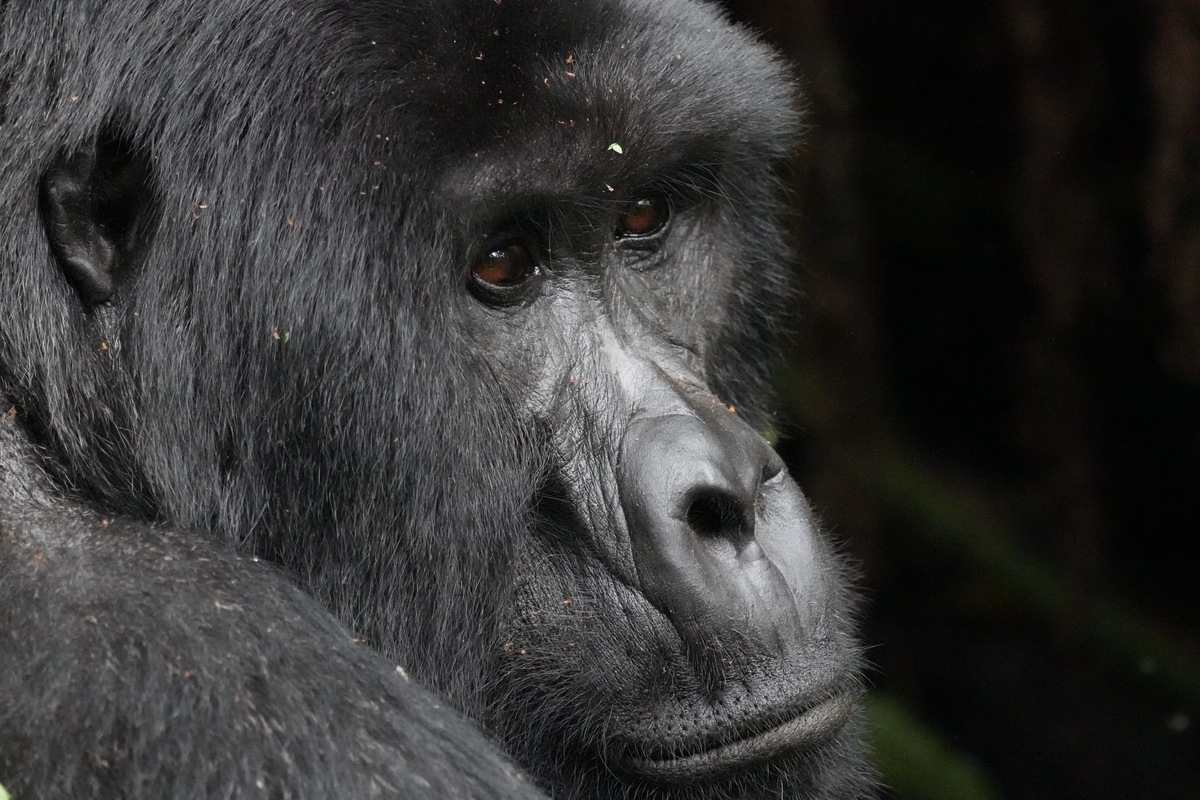
Suddenly, the forest opens up to an unforgettable sight. A mother holds her young infant close, juveniles playfully climb through the vegetation, and a dominant silverback watches over his family. For the next hour, you observe these remarkable animals as they go about their daily lives. It is an intimate wildlife encounter that is difficult to describe and even harder to forget.
Mountain gorillas are among the world’s most endangered great apes, and they cannot survive in captivity under normal zoo conditions. The only way to experience them in the wild is to travel to the protected forests of Uganda, Rwanda or the Democratic Republic of Congo. The Republic of Congo, meanwhile, offers a different experience involving western lowland gorillas.
If you are wondering where to see gorillas in Africa, which country offers the best trekking experience, how much permits cost and when to travel, this guide explores the main destinations to help you make an informed decision.
Where to See Gorillas in Africa: Uganda vs Rwanda vs Congo
Africa has several important gorilla conservation areas, but Uganda and Rwanda are the leading destinations for travellers interested in seeing mountain gorillas. The Republic of Congo offers opportunities to track western lowland gorillas, while the Democratic Republic of Congo also has mountain gorillas in Virunga National Park when trekking operations are available.
Each destination offers a different experience in terms of landscape, accessibility, trekking conditions, accommodation and cost.
Uganda: The best destination for travellers looking for mountain gorilla trekking combined with chimpanzee trekking and traditional African wildlife safaris. The main trekking destination is Bwindi Impenetrable National Park, with additional trekking opportunities in Mgahinga Gorilla National Park.
Rwanda: An excellent choice for travellers with limited time who want convenient access to mountain gorillas. All gorilla trekking takes place in Volcanoes National Park, which is approximately two to three hours by road from Kigali, depending on traffic and road conditions.
Republic of Congo: A remote destination for travellers interested in western lowland gorillas and exploring the vast tropical rainforests of the Congo Basin. Odzala-Kokoua National Park is the country’s main destination for this experience.
Democratic Republic of Congo: Historically known for mountain gorilla trekking in Virunga National Park, although access and tourism operations depend on the security situation and official park announcements.
Uganda is one of Africa’s best destinations for gorilla trekking, offering visitors the opportunity to encounter more than half of the world’s remaining mountain gorillas. The country has two national parks where these endangered primates live: Bwindi Impenetrable National Park and Mgahinga Gorilla National Park.
Uganda is particularly attractive to travellers who want more than just a gorilla encounter. Its diverse landscapes, rich wildlife, primate populations and cultural experiences make it possible to combine gorilla trekking with a longer safari through some of East Africa’s most rewarding destinations.
Where to See Gorillas in Uganda
Bwindi Impenetrable National Park
Bwindi Impenetrable National Park is the most popular place for gorilla trekking in Uganda. Located in the country’s southwestern region, this UNESCO World Heritage Site protects an ancient rainforest covering approximately 321 square kilometres. Its steep hills, thick vegetation, mist-covered valleys and winding forest trails provide a remarkable habitat for mountain gorillas.
Bwindi is divided into four main gorilla trekking sectors: Buhoma, Ruhija, Rushaga and Nkuringo. Each sector has habituated gorilla families available for visitors to track, and the location of your trekking permit determines where you report for your briefing and begin your adventure.
Buhoma, situated in the northern part of the park, is one of the original gorilla trekking areas and offers access to several forest trails and community experiences. Ruhija, in the eastern section, is known for its mountainous scenery, cooler conditions and beautiful forest landscapes. Rushaga and Nkuringo are located in the southern part of Bwindi, with Rushaga offering a particularly large selection of habituated gorilla families and the opportunity to participate in the gorilla habituation experience.
The trek can take anywhere from one to several hours, depending on the location of the gorilla family, terrain and weather. Some groups are found relatively close to the starting point, while others require a longer hike through steep and sometimes muddy forest trails.
Once you find the gorillas, you are allowed to spend one hour observing them. This is an opportunity to photograph the silverback, watch young gorillas playing and see how different members of the family interact.
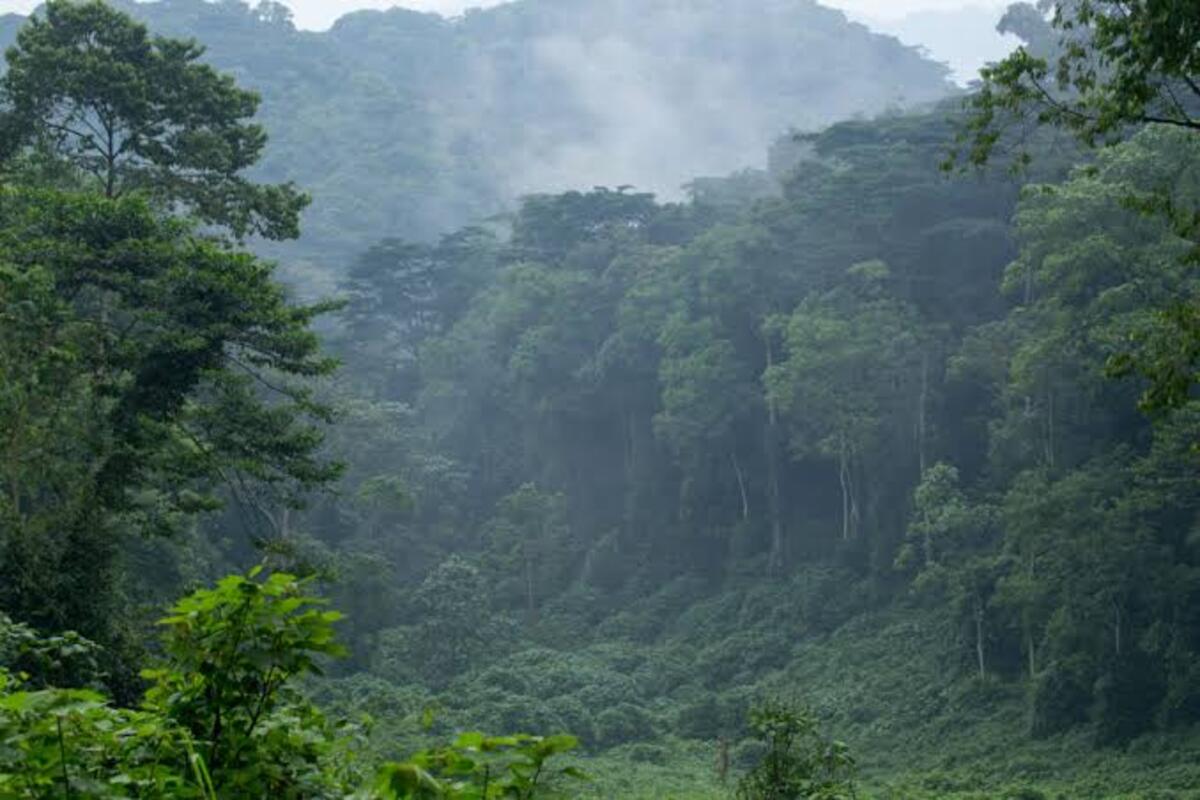
Bwindi Impenetrable national Park
Mgahinga Gorilla National Park
Mgahinga Gorilla National Park is another excellent destination for mountain gorilla trekking in Uganda. Located in the southwestern district of Kisoro, the park forms part of the greater Virunga Conservation Area, which extends across Uganda, Rwanda and the Democratic Republic of Congo.
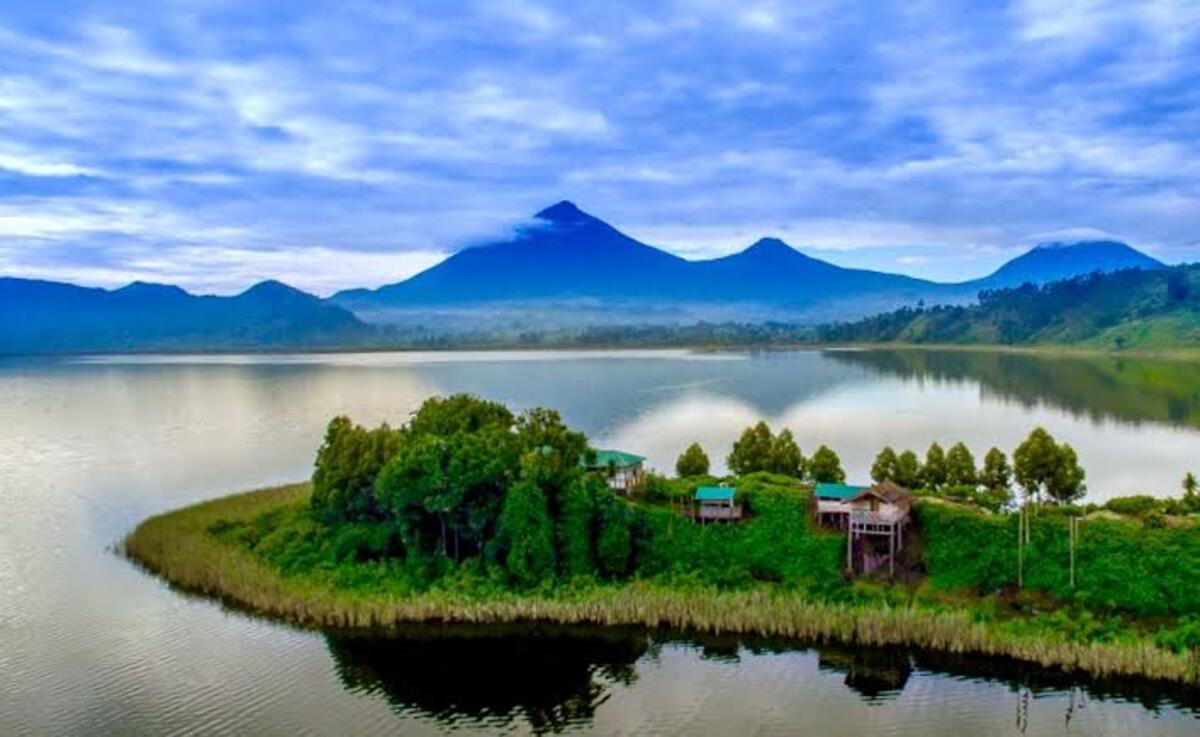
Unlike Bwindi’s extensive forested hills, Mgahinga is characterised by dramatic volcanic landscapes, bamboo forests and spectacular views of the Virunga volcanoes. It is home to the Nyakagezi gorilla family, which visitors can track through the park.
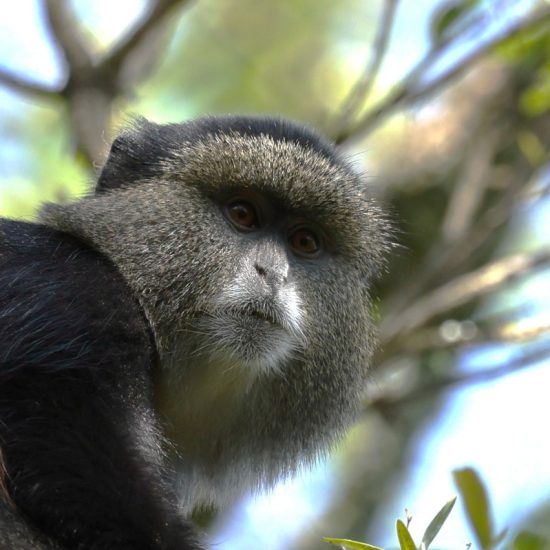
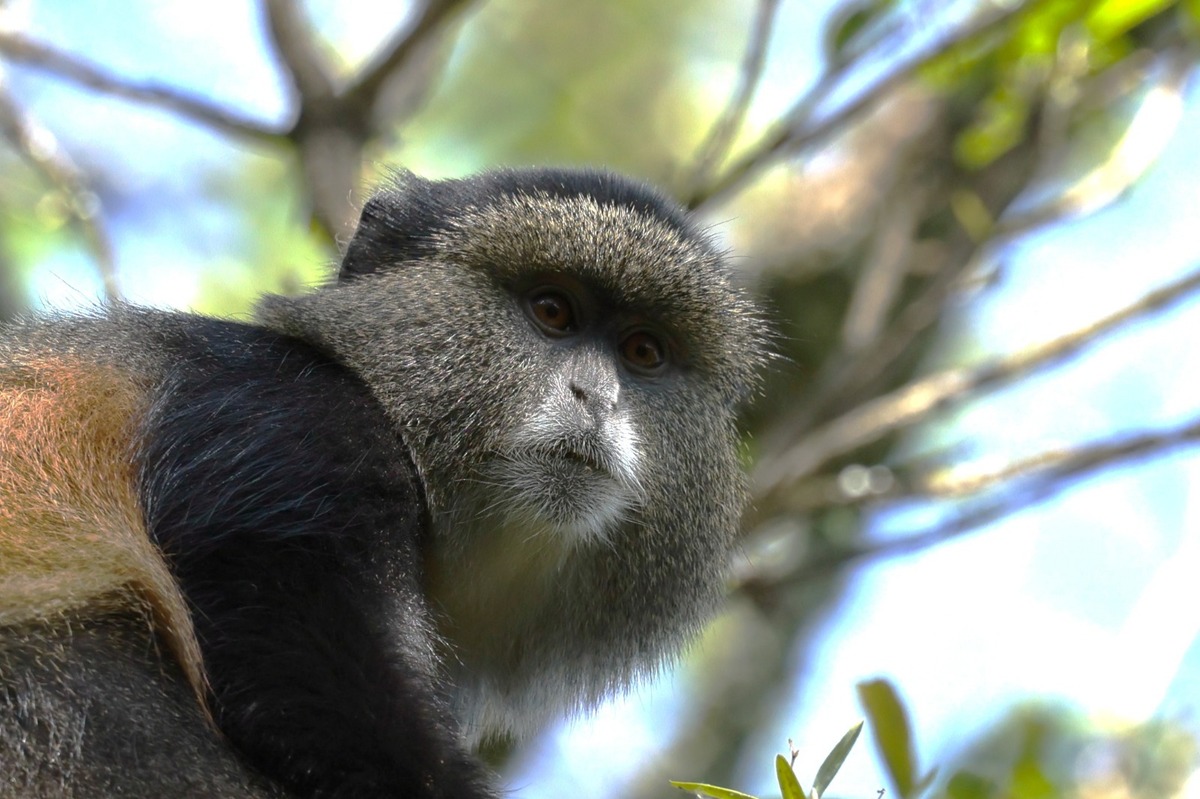
Mgahinga is also the only place in Uganda where visitors can combine mountain gorilla trekking with golden monkey trekking. Other activities include hiking the Virunga volcanoes, birdwatching and cultural encounters with the Batwa community.
Gorilla Trekking Permits in Uganda
A standard Uganda gorilla trekking permit currently costs USD 800 per person for foreign non-residents. The permit allows you to spend one hour with a habituated mountain gorilla family under the supervision of experienced guides and trackers.
For visitors who want a longer and more immersive experience, Uganda also offers the gorilla habituation experience in Bwindi’s Rushaga sector. This activity involves accompanying researchers, trackers and conservation personnel as they observe a semi-habituated gorilla family. The experience allows up to four hours with the gorillas, and the permit costs USD 1,800 per person for foreign non-residents.
Because gorilla permits are limited, especially during the popular travel months, booking several months in advance is advisable. Travellers planning to visit between June and September should consider securing their permits as early as possible.
Best Time to See Gorillas in Uganda
Gorilla trekking in Uganda is possible throughout the year. However, the drier months generally provide more favourable hiking conditions.
The main dry seasons are June to September and December to February. During these periods, forest trails are generally less muddy, making hiking more comfortable. These months also coincide with some of Uganda’s busiest safari seasons.
The rainy seasons usually occur from March to May and October to November. Although rainfall can make trekking more challenging, the forest becomes particularly lush, accommodation prices may be more attractive and visitor numbers are often lower.
There is no guarantee of an easier trek during the dry season because Bwindi is a tropical rainforest that can receive rain at any time of the year.
Other Wildlife Experiences to Combine with Gorilla Trekking
One of Uganda’s greatest advantages is the opportunity to combine gorilla trekking with other wildlife experiences. Kibale National Park is the country’s leading destination for chimpanzee trekking, offering visitors the chance to encounter another of our closest living relatives in the wild.
Queen Elizabeth National Park is an excellent addition for traditional wildlife viewing, with opportunities to see elephants, buffaloes, lions, leopards and other savannah animals. A boat cruise along the Kazinga Channel provides excellent opportunities to observe hippos, crocodiles and numerous waterbirds.
Travellers with additional time can explore Murchison Falls National Park, known for its powerful waterfall, wildlife-rich savannah and boat safaris along the River Nile. Lake Mburo National Park is another rewarding stop, particularly for zebras, giraffes, impalas and walking safaris.
This diversity makes Uganda an excellent choice for travellers who want to experience gorillas, chimpanzees and classic African wildlife within one itinerary.
-
Gorilla Trekking in Rwanda
Rwanda is another leading destination for mountain gorilla trekking and is particularly popular with travellers who have limited time. The country’s well-developed tourism infrastructure, scenic countryside and relatively short transfer from Kigali to the gorilla trekking area make it one of the most accessible places to see mountain gorillas in Africa.
The main destination is Volcanoes National Park, located in northwestern Rwanda within the Virunga Mountains.
Where to See Gorillas in Rwanda
Volcanoes National Park
Volcanoes National Park covers approximately 160 square kilometres and protects a section of the Virunga mountain range. The park is home to several habituated mountain gorilla families and is internationally recognised for its contribution to gorilla conservation.
The landscape is characterised by mist-covered volcanic slopes, bamboo forests, dense vegetation and beautiful mountain scenery. The park is also associated with the work of renowned primatologist Dian Fossey, whose research helped bring international attention to the protection of mountain gorillas.
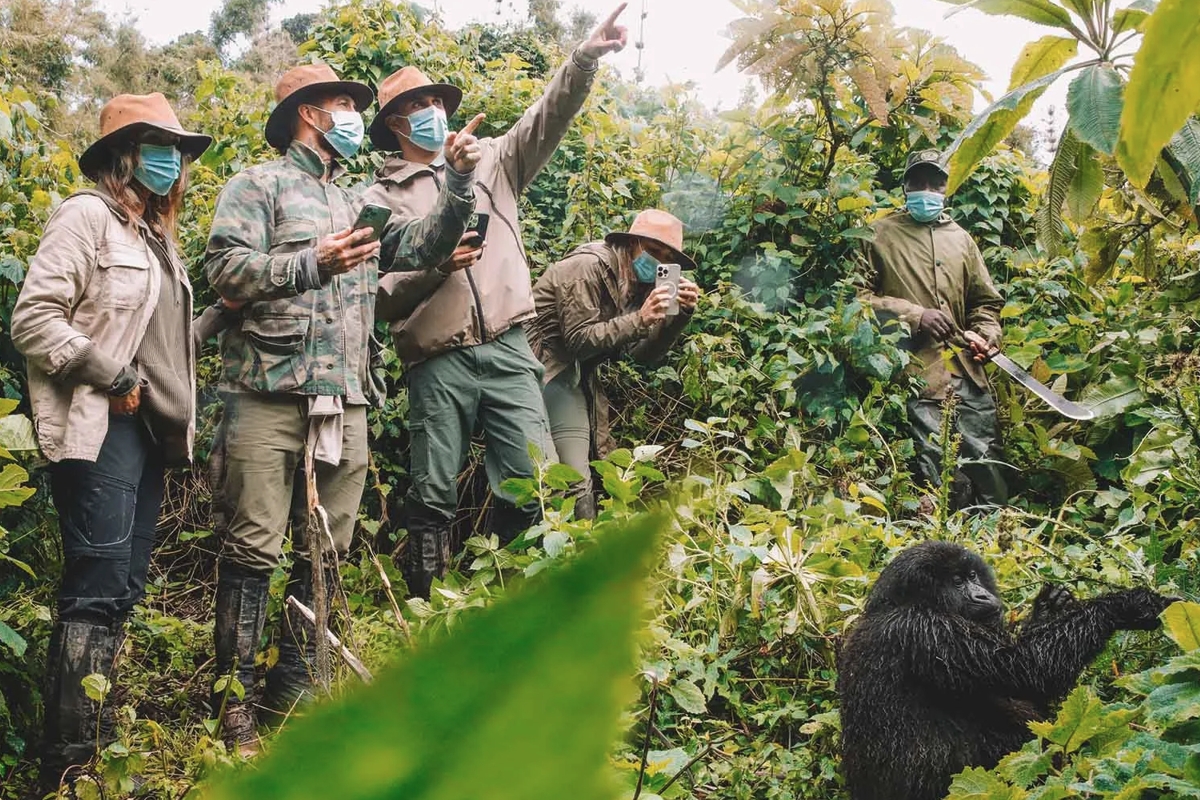
Gorilla trekking begins at the park headquarters near Kinigi, where visitors attend a briefing before being assigned to a gorilla family. Experienced guides and trackers lead the groups into the forest, with the duration of the trek depending on where the gorillas are located.
Unlike Uganda, where trekking takes place in several different sectors of Bwindi and Mgahinga, all Rwanda gorilla trekking begins from the same main briefing area. Visitors are assigned to different gorilla families according to availability, fitness considerations and other operational factors.
After locating the gorillas, visitors are allowed one hour to observe them in their natural habitat.
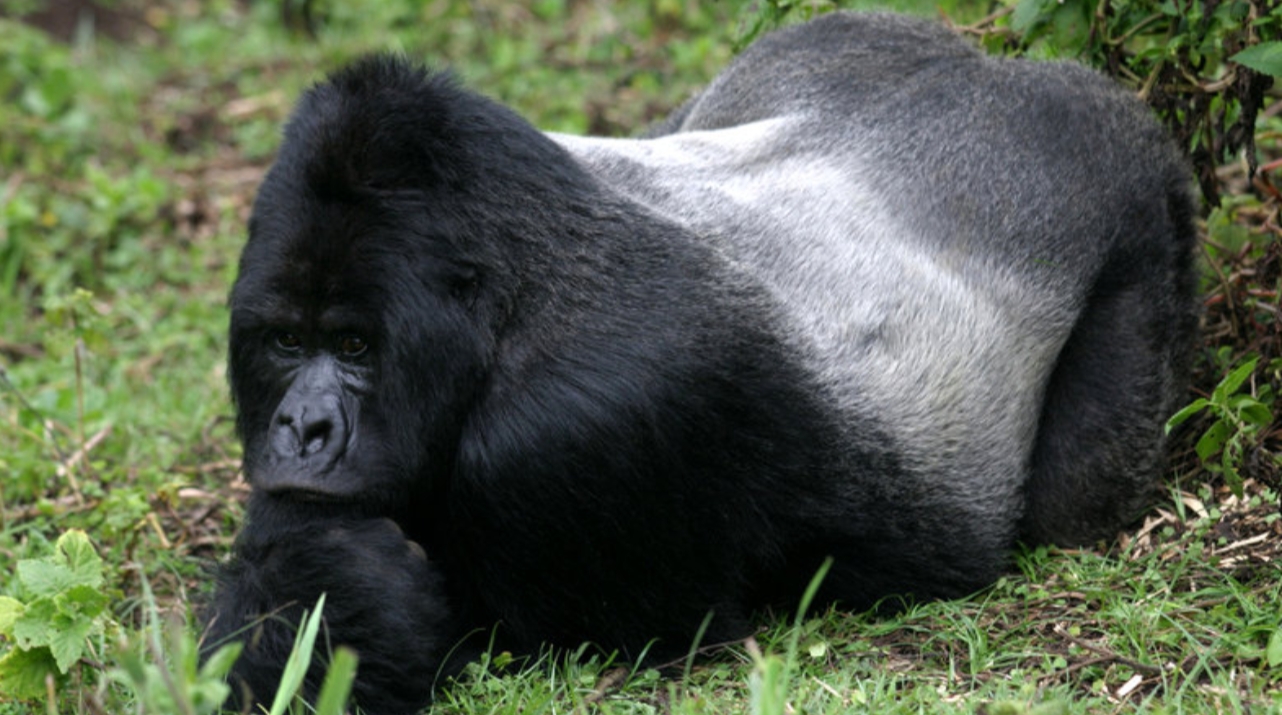
Volcanoes National Park
Gorilla Trekking Permits in Rwanda
A Rwanda gorilla trekking permit costs USD 1,500 per person for foreign visitors. The permit provides access to one gorilla trekking experience and one hour with a habituated mountain gorilla family.
Rwanda’s permits are considerably more expensive than Uganda’s, but the country offers excellent accessibility and high-quality accommodation options close to Volcanoes National Park.
Because the number of daily visitors is restricted, booking permits in advance is important, particularly during the busy travel seasons.
Best Time to See Gorillas in Rwanda
Rwanda offers gorilla trekking throughout the year, although the drier months are generally preferred.
The main dry season runs from June to September, while a shorter dry period occurs from December to February. These months usually offer more favourable hiking conditions.
March to May is the main rainy season, while October and November also receive considerable rainfall. During these periods, the trails can become muddy and slippery, although trekking continues under normal park operations.
Other Wildlife Experiences to Combine with Gorilla Trekking
Rwanda offers several wildlife and cultural experiences that can complement a gorilla trekking adventure. Akagera National Park is the country’s main savannah wildlife destination and provides opportunities to see the Big Five: lions, elephants, buffaloes, leopards and rhinos.
Nyungwe Forest National Park is another excellent destination, particularly for chimpanzee trekking, canopy walks and birdwatching. Visitors can also explore Kigali, visit the Kigali Genocide Memorial and experience Rwanda’s cultural heritage.
For travellers with limited time, a short Rwanda gorilla trekking safari can be organised around Volcanoes National Park. Those with more time can combine gorillas, chimpanzees and traditional wildlife viewing in one trip.
-
Gorilla Trekking in the Republic of Congo
For travellers looking for a more remote rainforest experience, the Republic of Congo offers something different from the mountain gorilla destinations of Uganda and Rwanda.
It is important not to confuse the Republic of Congo with the Democratic Republic of Congo (DRC). These are two separate countries with different gorilla populations and conservation areas.
The Republic of Congo is home to western lowland gorillas, a different subspecies from the mountain gorillas found in Uganda and Rwanda.
Where to See Gorillas in the Republic of Congo
Odzala-Kokoua National Park
Odzala-Kokoua National Park is one of Central Africa’s most important protected rainforest areas. Covering approximately 13,500 square kilometres, the park protects an extensive section of the Congo Basin rainforest and provides habitat for western lowland gorillas, forest elephants, forest buffaloes and numerous other wildlife species.
Gorilla trekking here offers a different experience from the mountainous forests of East Africa. The terrain is generally lower and flatter, although dense vegetation, humid conditions and challenging forest trails can still make walking demanding.
Visitors are accompanied by experienced guides and trackers who help locate gorilla groups within the forest. The experience often begins close to remote forest camps, allowing travellers to explore the surrounding wilderness while searching for gorillas.
Odzala is also known for its forest clearings, locally called bais. These natural openings attract wildlife, offering opportunities to observe forest elephants, buffaloes and other animals.
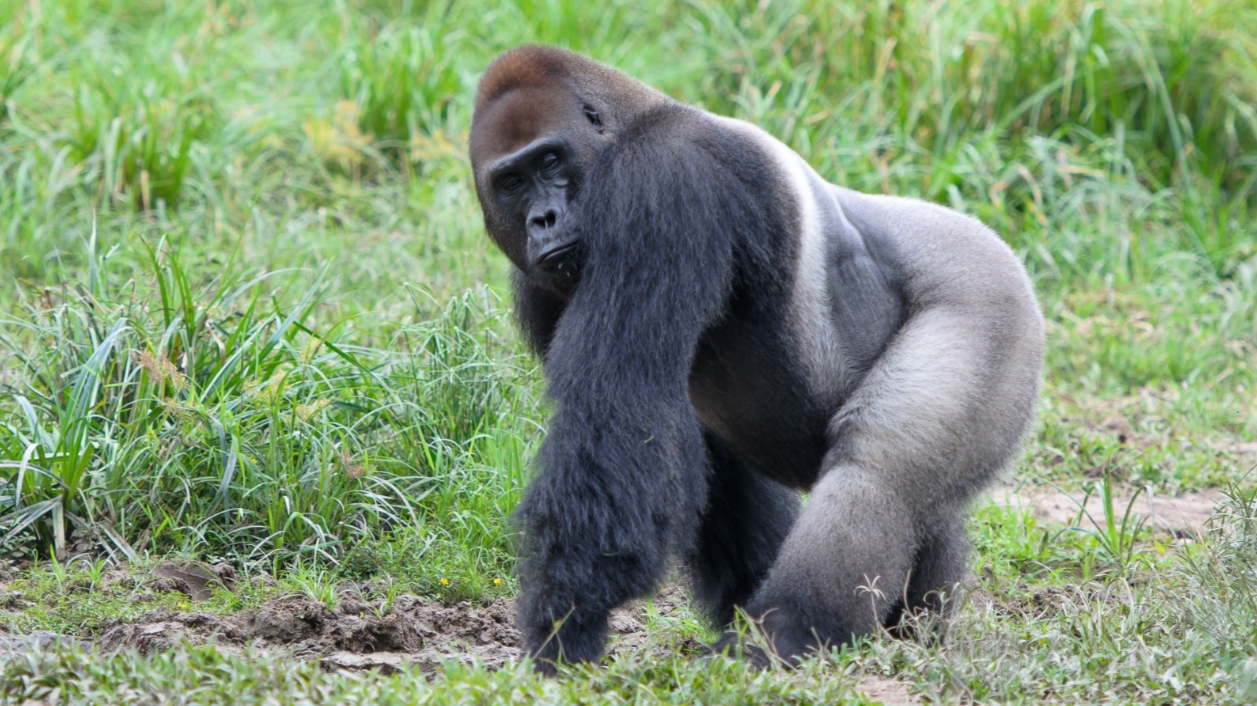
Odzala-Kokoua National Park
Gorilla Trekking Permits in the Republic of Congo
Gorilla trekking in Odzala-Kokoua is generally organised through specialist safari packages. Permit and activity costs are usually incorporated into the overall package price, so travellers should confirm exactly what is included when booking.
The experience is more remote and generally requires a greater investment in travel logistics and specialist accommodation than a conventional gorilla safari in Uganda or Rwanda.
Best Time to See Gorillas in the Republic of Congo
The Congo Basin receives rainfall throughout the year, but some periods offer more favourable conditions for exploring the forest.
June to September is generally considered one of the better periods for gorilla trekking, while December to February can also offer relatively favourable conditions.
Travellers should remember that this is an equatorial rainforest, so rain and humid conditions are possible throughout the year.
Other Wildlife Experiences to Combine with Gorilla Trekking
Odzala-Kokoua offers more than gorilla tracking. Visitors can explore forest trails, take guided walks, enjoy canoe excursions and discover the park’s remarkable birdlife.
The park is particularly rewarding for travellers interested in forest elephants, forest buffaloes and the unique ecosystems of the Congo Basin.
Uganda vs Rwanda: Which Is the Best Country for Gorilla Trekking?
Choosing between Uganda and Rwanda depends on your budget, available time, preferred accommodation and the type of safari you want.
Uganda is an excellent option for travellers looking for a more comprehensive wildlife holiday. Its gorilla trekking permits are more affordable, and visitors can combine their experience with chimpanzee trekking in Kibale, game drives in Queen Elizabeth National Park and other wildlife activities.
Rwanda is particularly suitable for visitors with limited time. Volcanoes National Park is relatively close to Kigali, making it possible to organise a short gorilla trekking trip without spending several days travelling between destinations.
The permit price is another important consideration. Uganda’s standard gorilla trekking permit costs USD 800 per person, compared with USD 1,500 in Rwanda for foreign visitors. However, the overall cost of a safari also depends on accommodation, transportation, meals and the number of days spent travelling.
For travellers interested in gorilla trekking alone, Rwanda’s accessibility can be appealing. For those looking to experience gorillas, chimpanzees and traditional African wildlife in one holiday, Uganda offers excellent possibilities.
There is no universally best destination. The right choice depends on what you want to experience during your time in Africa.
How Difficult Is Gorilla Trekking in Africa?
Gorilla trekking is a rewarding but sometimes physically demanding activity. The experience involves hiking through natural rainforest, often on steep, uneven and muddy trails.
In Uganda’s Bwindi Impenetrable National Park, the terrain can be particularly challenging because of the steep slopes, thick vegetation and changing elevations. Mgahinga also involves hiking in mountainous terrain.
Rwanda’s Volcanoes National Park has similar high-altitude conditions, with trails passing through bamboo forests and volcanic slopes.
The length of a trek is difficult to predict because mountain gorillas move freely through their natural habitat. Some visitors find their assigned family relatively quickly, while others spend several hours hiking before reaching the gorillas.
You do not need to be an experienced mountaineer to participate, but a reasonable level of fitness is helpful. Visitors should be prepared to walk for several hours and follow the instructions of their guides.
Hiring a local porter is also recommended. Porters help carry bags and provide assistance on difficult sections of the trail, while their employment supports communities living around the national parks.
What to Pack for Gorilla Trekking
Proper preparation makes a significant difference to your comfort during a gorilla trekking adventure. Since the forests are often humid, wet and muddy, wearing suitable clothing and footwear is important.
Sturdy waterproof hiking boots provide better grip and ankle support on uneven trails. Long trousers and long-sleeved shirts help protect your skin from scratches, insects and stinging vegetation. Hiking gaiters are particularly useful for keeping mud, water and insects out of your boots.
A lightweight waterproof jacket is essential because rain can occur even during the dry season. Gardening gloves can help when holding vegetation for support, while a walking stick or trekking pole provides additional stability on steep slopes.
Carry enough drinking water, some energy-giving snacks, sunscreen, insect repellent and a small backpack. A camera with a suitable lens is useful for photographing gorillas, but flash photography is not permitted.
It is also important to follow all park regulations, maintain the required distance from the gorillas and avoid trekking when experiencing symptoms of an infectious illness.
Gorilla Trekking Rules and Regulations
Gorilla trekking is carefully regulated to protect both visitors and the endangered primates. Only a limited number of people are allowed to visit each habituated gorilla family per day.
In Uganda and Rwanda, a maximum of eight visitors are generally permitted in a standard trekking group. Visitors must be at least 15 years old and should not participate if they have symptoms of a contagious illness, such as a cold or flu.
Once the gorillas are located, visitors are allowed one hour with the family. They must maintain the distance instructed by park authorities, avoid sudden movements and keep their voices low.
Touching gorillas, feeding them or using flash photography is prohibited. Visitors should also follow their guides’ instructions throughout the encounter.
These regulations help minimise disturbance and reduce the risk of transmitting human diseases to gorillas.
Ready to Plan Your Gorilla Trekking Safari in Africa?
A gorilla trekking adventure is much more than an ordinary wildlife safari. It is an opportunity to enter one of Africa’s most remarkable forests and spend time observing an endangered species in its natural environment.
Whether you choose the ancient rainforest of Bwindi, the volcanic landscapes of Rwanda or the remote wilderness of the Congo Basin, each destination offers a unique experience.
At Naseeb Safaris Uganda, we specialise in private and tailor-made gorilla trekking safaris in Uganda and Rwanda. As a locally owned and Uganda-based safari company, we help travellers organise gorilla permits, accommodation, transportation and complete safari itineraries based on their interests, travel dates and budget.
In Uganda, we can arrange gorilla trekking in Bwindi Impenetrable National Park and Mgahinga Gorilla National Park, with opportunities to combine your experience with chimpanzee trekking in Kibale Forest, wildlife viewing in Queen Elizabeth National Park, Murchison Falls and other destinations.
For travellers choosing Rwanda, we organise gorilla trekking experiences in Volcanoes National Park, with the option of combining the trek with Kigali, Akagera National Park and Nyungwe Forest.
Whether you are planning a short gorilla trekking adventure or a longer East African safari, we will help you create a journey that suits your expectations.
Contact Naseeb Safaris Uganda to start planning your gorilla trekking adventure.
Uganda gorilla tours
3-day gorilla trekking
Gorilla trek via Kigali
https://naseebsafarisuganda.com/tour-item/3-day-mountain-gorilla-tracking-via-kigali-rwanda-2/
5-Day gorilla trekking safari
https://naseebsafarisuganda.com/tour-item/5-day-exclusively-gorilla-and-chimpanzee-tracking-safari/
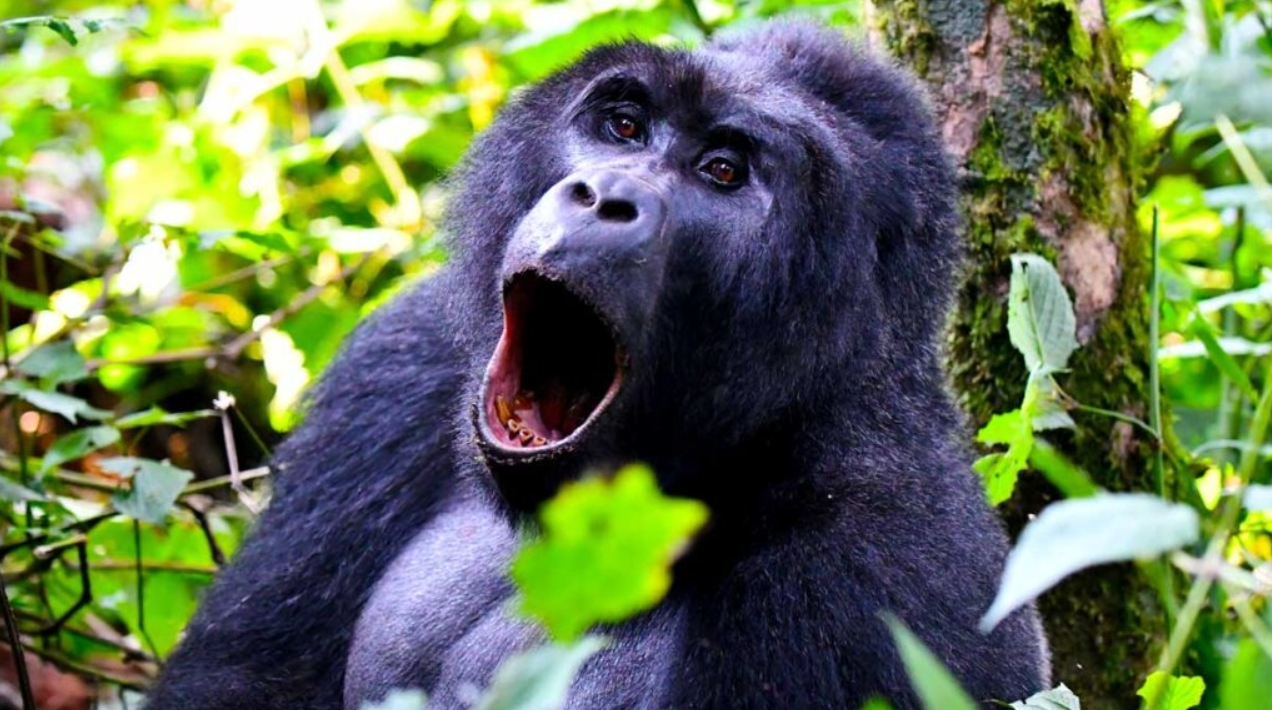
8-Day Primate & Wildlife Safari
https://naseebsafarisuganda.com/tour-item/8-day-customisable-primates-wildlife-safari/
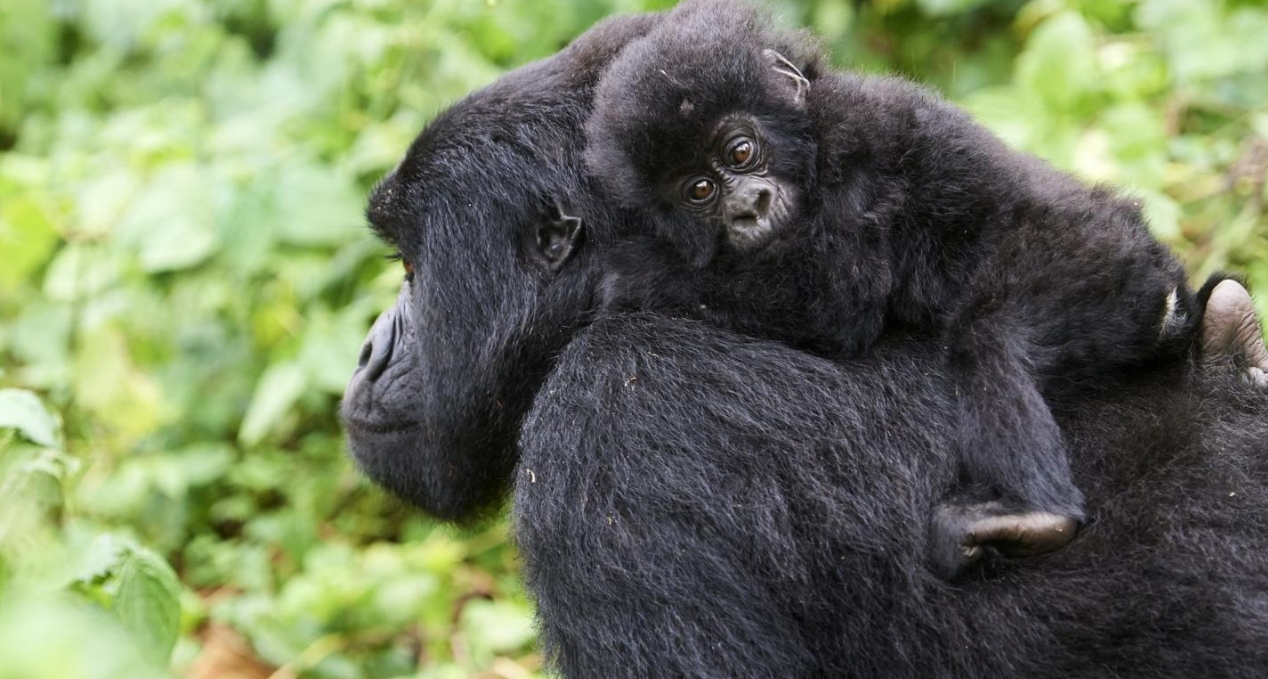
12-Day Mountain gorillas
https://naseebsafarisuganda.com/tour-item/12-day-mountain-goriilas-chimpanzees-african-big-5-2/
Rwanda gorilla tours
https://naseebsafarisuganda.com/tour-item/3-day-rwanda-mountain-gorillas-and-golden-monkeys-safari/
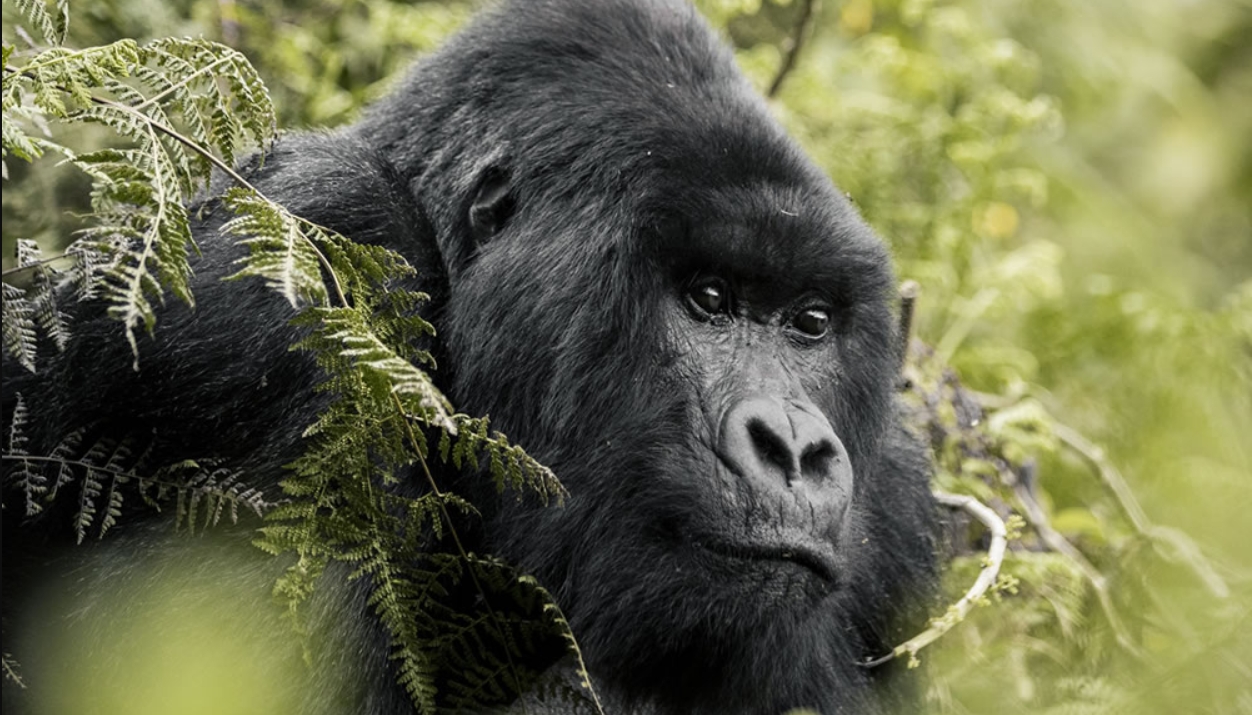
3-Day Rwanda mountain gorillas
https://naseebsafarisuganda.com/tour-item/5-day-rwanda-gorillas-golden-monkey-lake-kivu-safari/
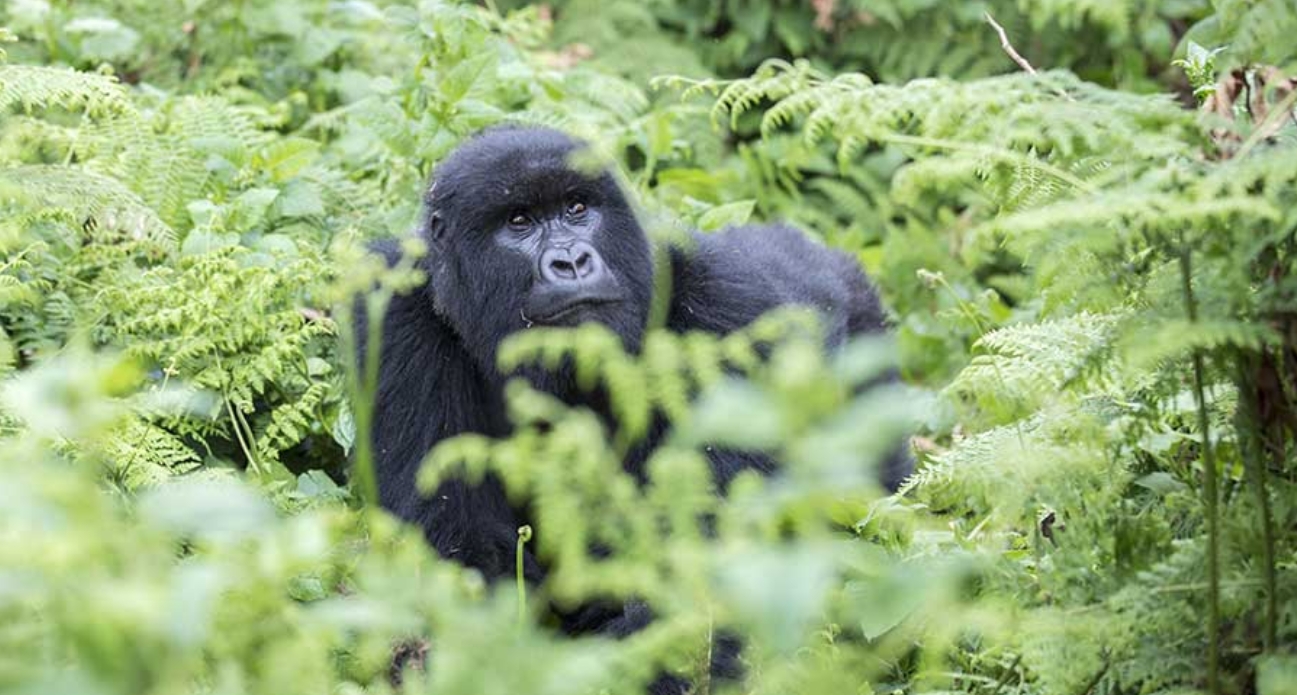
5 Day Rwanda safari
https://naseebsafarisuganda.com/tour-item/10-day-classic-rwanda-safari/
10 Day Classic Rwanda Safari