
Visiting Murchison Falls Uganda’s Largest National Park
Visiting Murchison Falls Uganda’s Largest National Park, Murchison Falls National Park is where Uganda’s wilderness meets one of Africa’s most powerful natural landmarks. Here, the Victoria Nile travels across open savannah before being forced through a narrow rocky gorge only about seven metres wide, creating a dramatic plunge of roughly 43 metres into the gorge below.
The sound arrives before the full view: the roar of water pushing through the confined channel, the spray rising above the cliffs, and the constant movement of the river as it continues its journey northward. Standing above the falls, visitors can see the immense force of the Nile concentrated into a small opening, a reminder of how powerful natural landscapes can be.
But the falls are only one part of the story.
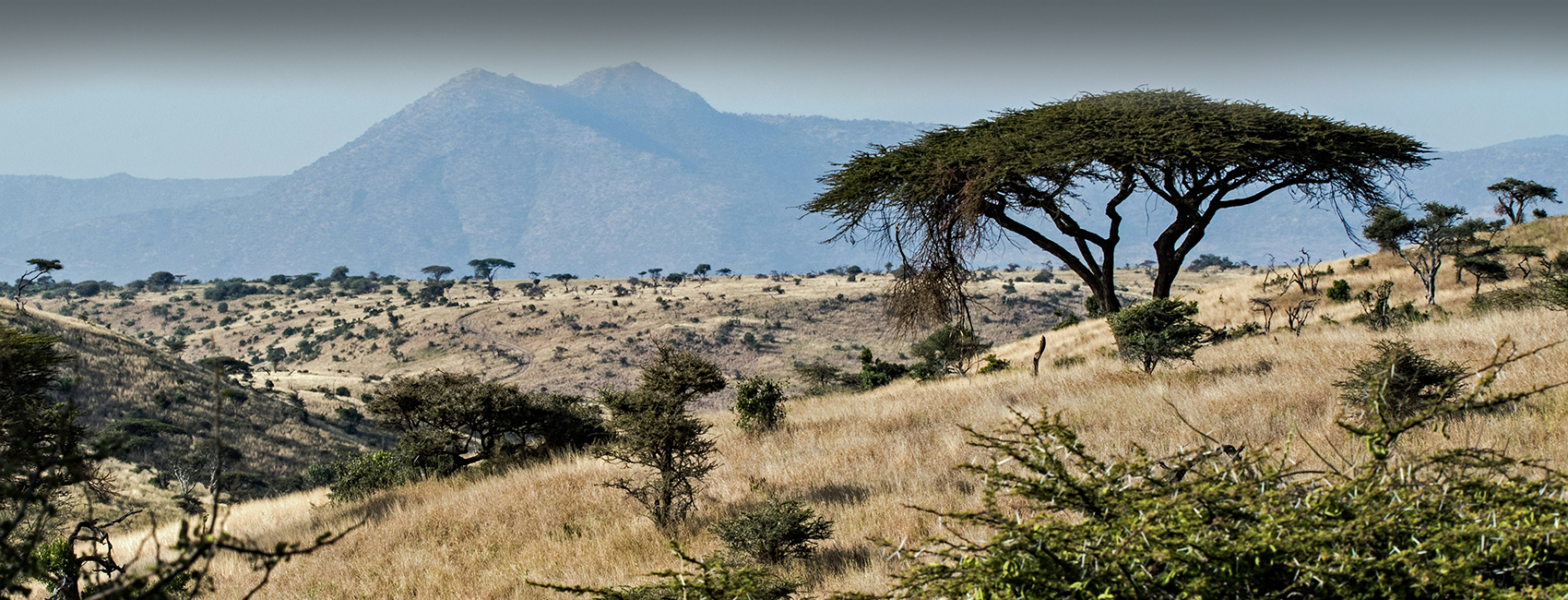
Covering approximately 3,840 square kilometres, Murchison Falls National Park is Uganda’s largest national park and one of the country’s most rewarding safari destinations. Its landscapes combine rolling savannah, riverine forests, wetlands, and the life-giving waters of the Nile, creating habitats for elephants, giraffes, lions, buffaloes, hippos, crocodiles, chimpanzees, and hundreds of bird species.
For first-time visitors planning a Uganda safari, the park offers a balanced introduction to East African wildlife. A typical visit may include early morning game drives across the northern plains, a boat safari along the Nile, a hike to the top of the falls, birdwatching excursions, and optional chimpanzee tracking in nearby Budongo Forest.
This guide explains what you need to know before visiting Murchison Falls National Park including wildlife expectations, safari activities, accommodation options, the best time to visit, transport, packing advice, and practical considerations that help you plan a smoother journey.
Where Is Murchison Falls National Park?
Murchison Falls National Park is located in northwestern Uganda, approximately 305 kilometres from Kampala by road. The journey usually takes around five to six hours, depending on road conditions, stops, and the route chosen.
The park extends across several districts, including Masindi, Kiryandongo, Nwoya, Buliisa, and Pakwach. Together with Bugungu Wildlife Reserve and Karuma Wildlife Reserve, it forms the wider Murchison Falls Conservation Area.
The most common route for international travellers begins in Kampala or Entebbe, often passing through the town of Masindi before entering the park. Many itineraries also combine Murchison Falls with other northern Uganda attractions, including:
- Ziwa Rhino Sanctuary, where visitors can track southern white rhinos on foot.
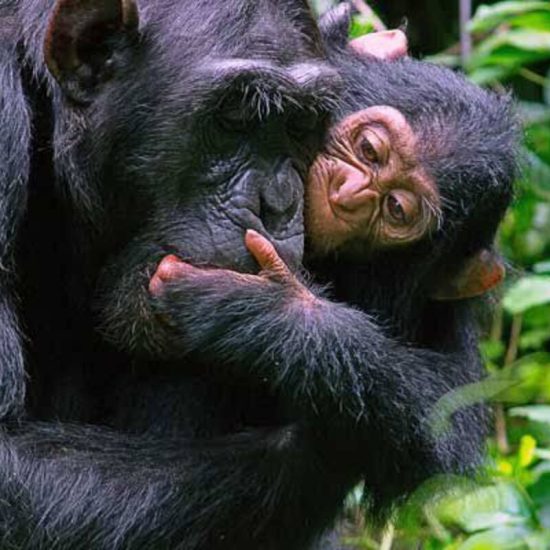
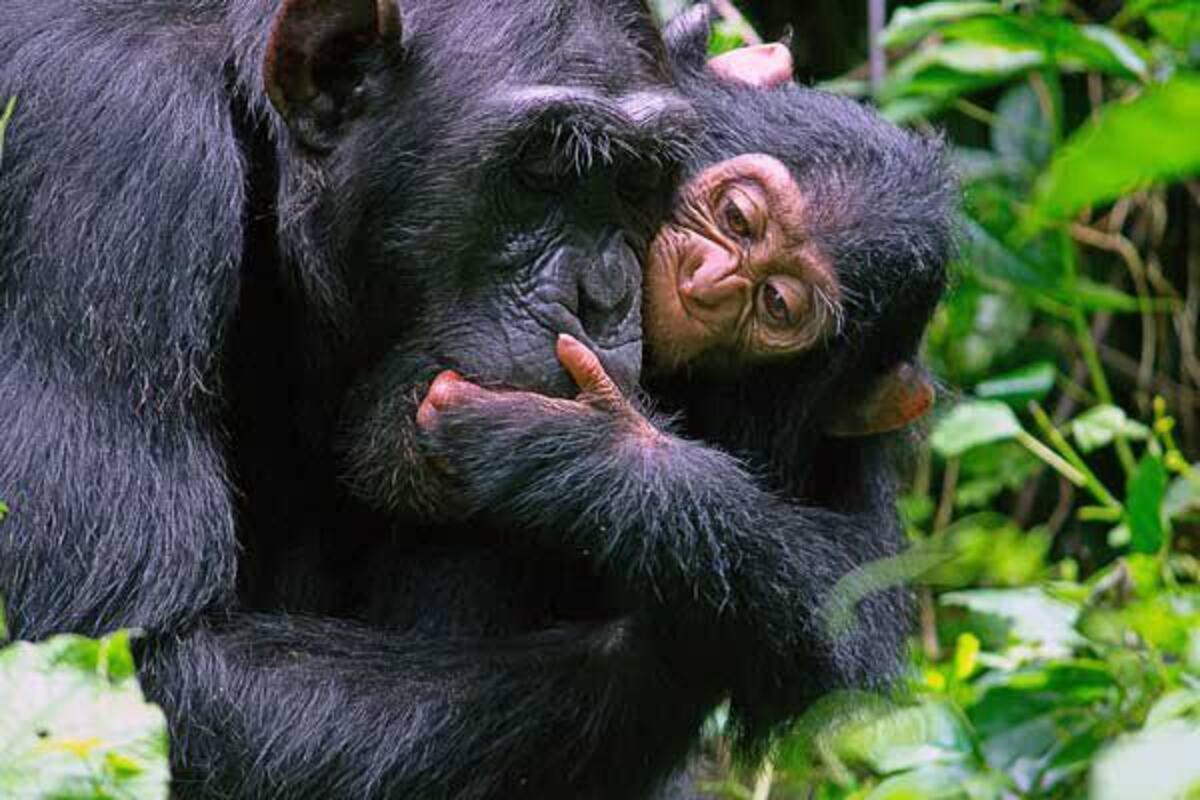
- Budongo Forest for chimpanzee tracking.
- The Albertine Rift region for additional primate and birding experiences.
Because of its location, Murchison Falls fits well into longer Uganda safari itineraries that combine savannah wildlife with primate experiences.
Why Visit Murchison Falls National Park?
Many African parks are known primarily for one defining experience, big cats, gorillas, landscapes, or birdlife. Murchison Falls stands out because it combines several different safari experiences within one destination.
A visit can include:
- Game drives across open grasslands where elephants, giraffes, buffaloes, antelopes, and predators may be seen.
- A boat cruise along the Nile, passing hippos, crocodiles, elephants, and waterbirds.
- A guided walk to the top of the falls.
- Birdwatching in wetlands, forests, riverbanks, and savannah habitats.
- Chimpanzee tracking in nearby Budongo Forest.
- Cultural experiences with communities living around the conservation area.
The park is especially appealing for travellers who want variety without spending their entire safari moving between destinations. Within a few days, visitors can experience both classic African savannah scenery and the dramatic waterways that define northern Uganda.
However, it is important to have realistic expectations. Wildlife sightings are never guaranteed, and safari experiences depend on factors such as season, animal movements, weather, and the skill of your guide. The reward comes from spending time in a functioning ecosystem where every drive and boat trip offers the possibility of discovery.
The History of Murchison Falls National Park
The landscape around Murchison Falls has long been important to local communities, with human settlements and cultural traditions connected to the Nile and surrounding plains for generations.
The area was first made a game reserve in 1926 and was officially established as a national park in 1952. It was named Murchison Falls by explorer Samuel Baker in honour of Roderick Murchison in 1964, who was president of the Royal Geographical Society at the time.The locals used to call it kabalega national park after the king of the region who was omukama kabalega (Bunyoro kingdom king)
Like many protected areas in Africa, the park experienced difficult periods, including wildlife losses caused by poaching and political instability. Elephant populations, in particular, suffered during past decades.
Today, conservation efforts involving the Uganda Wildlife Authority, conservation partners, and surrounding communities have helped restore many species. Visitors now regularly encounter large herbivore populations, including elephants, buffaloes, giraffes, and various antelope species. Predator sightings have also improved, although they remain dependent on natural conditions.
The park’s recovery is an ongoing process, and tourism plays an important role by providing funding for conservation, ranger operations, and community programmes.
The Mighty Murchison Falls: Uganda’s Most Famous Waterfall
The waterfall that gives the park its name is the centrepiece of the landscape.
The Victoria Nile enters a narrow rocky passage before dropping approximately 43 metres into the gorge below. The pressure created by this sudden restriction produces a powerful flow of water, mist, and sound.
There are two main ways to experience Murchison Falls:
Viewing the Falls from the River
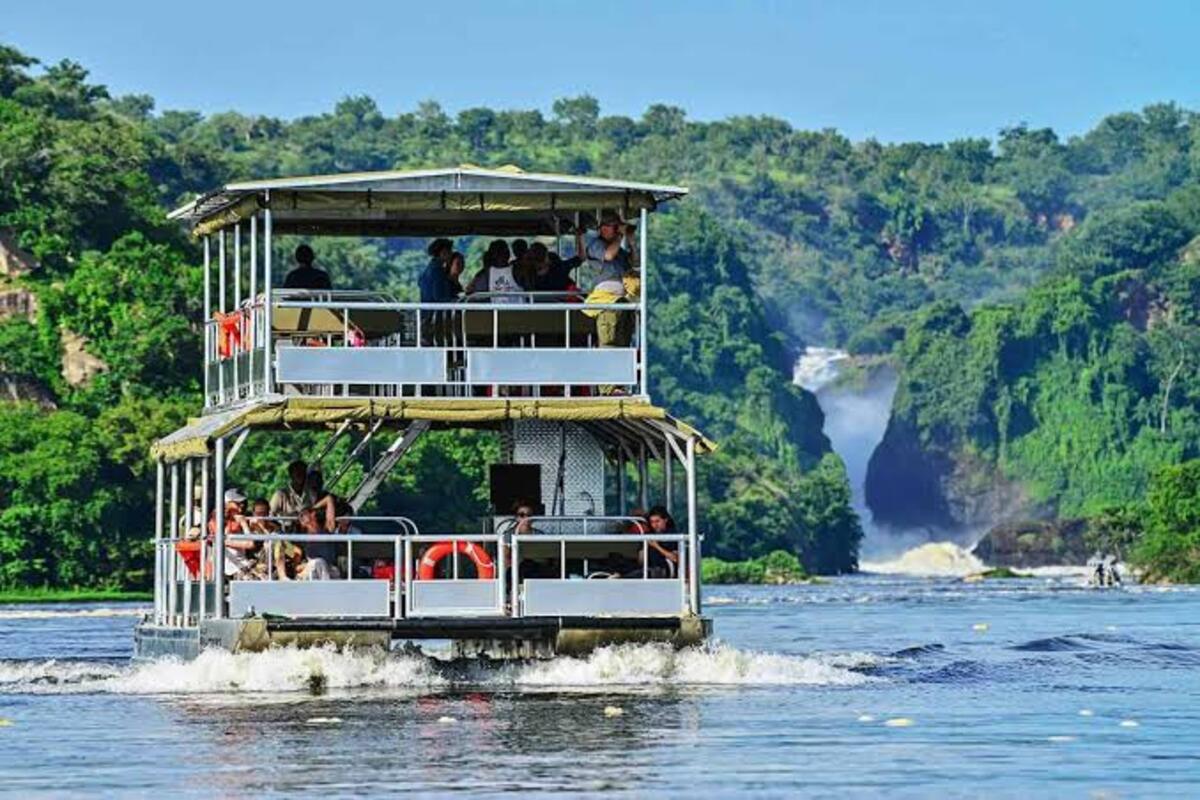
The classic boat cruise travels upstream along the Nile towards the base of the falls. The journey itself is part of the experience. Along the riverbanks, visitors may see:
- Large groups of hippos resting in the water.
- Nile crocodiles lying along sandy shores.
- Elephants approaching the river to drink.
- Birds hunting, feeding, and nesting along the banks.
As the boat approaches the falls, the landscape becomes narrower and the sound of rushing water grows stronger.
Hiking to the Top of the Falls
Many travellers consider the walk to the top of the falls one of the highlights of their visit. After leaving the boat near the base, visitors follow a guided trail uphill.
The walk is not a technical hike, but sections can be steep, uneven, and slippery after rain. Comfortable footwear is recommended, especially during wetter months.
From viewpoints above the gorge, travellers can watch the Nile force its way through the narrow channel before continuing across the plains below.
Wildlife in Murchison Falls National Park: What Can You See?
Murchison Falls National Park supports a wide range of wildlife, making it one of Uganda’s strongest destinations for a traditional savannah safari.
The northern sector of the park is where most game drives take place. Its open grasslands make animals easier to spot, especially during early morning and late afternoon when wildlife is generally more active.
Remember that safari viewing is not like visiting a zoo. Animals move freely, and sightings change daily. A skilled guide improves your chances by understanding animal behaviour, tracking signs, and knowing where different species are often found.
African Elephants
Elephants are among the most frequently encountered large mammals in Murchison Falls. Herds can often be seen moving across the savannah, feeding on vegetation, or gathering near water.
Watching elephants interact within family groups, especially mothers caring for young calves provides insight into the social lives of these intelligent animals.
Rothschild’s Giraffes
Murchison Falls is one of Uganda’s important strongholds for the endangered Rothschild’s giraffe.
Their tall silhouettes are often visible above the grasslands as they move between feeding areas. Their slow movements and distinctive colouring make them popular subjects for wildlife photography.
Lions
Lions are present in the park and may be encountered during game drives, particularly in areas where prey species are concentrated.
They are often easier to locate during early morning drives when temperatures are cooler. Guides may look for tracks, recent kills, bird activity, or other signs that suggest predator presence.
Sightings vary, and visitors should approach every drive with curiosity rather than expecting guaranteed encounters.
Cape Buffaloes
Large buffalo herds are commonly seen grazing across the plains. Their size, strength, and social behaviour make them an important part of the ecosystem.
Although they may appear calm while feeding, buffaloes are powerful wild animals and should always be observed from a safe distance.
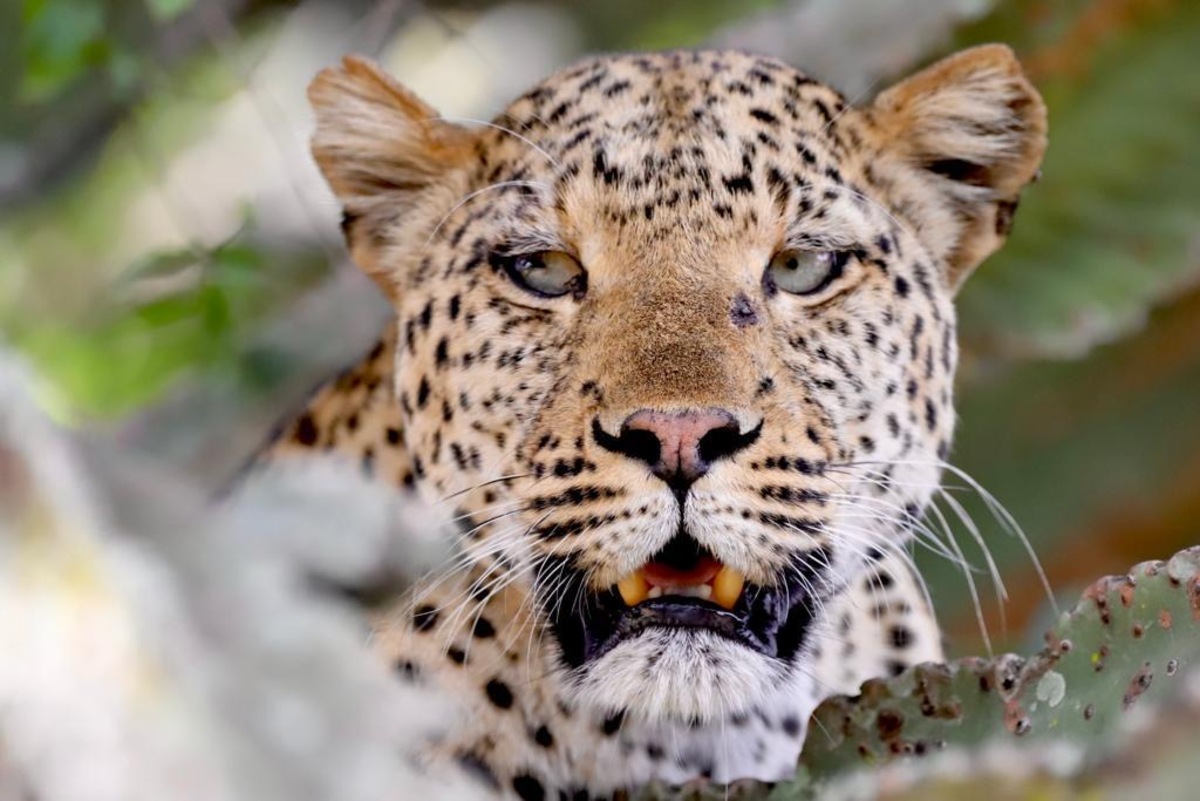
Leopards
Leopards live in Murchison Falls, but they are among the more difficult animals to find.
Their solitary nature, camouflage, and preference for woodland areas mean sightings are less predictable compared with elephants or buffaloes. Early morning and evening drives offer better opportunities.
Hippos and Nile Crocodiles
The Nile River supports some of the park’s most memorable wildlife encounters.
Hippos gather in groups along quieter sections of the river, while Nile crocodiles can often be seen resting on sandbanks or floating near the shoreline.
The boat cruise provides one of the best opportunities to observe these aquatic species at close range while remaining safely on the water.
Antelopes and Other Mammals
The grasslands support numerous antelope species, including:
- Uganda kob
- Jackson’s hartebeest
- Waterbuck
- Oribi
- Bushbuck
These herbivores form an essential part of the food chain and help sustain predator populations within the park.
Birdwatching in Murchison Falls National Park
Murchison Falls National Park is one of Uganda’s most rewarding destinations for bird enthusiasts, with more than 450 recorded bird species found across its rivers, wetlands, forests, and savannah habitats.
The park’s diversity comes from the combination of ecosystems found within the conservation area. The Nile River attracts waterbirds, the savannah supports ground-dwelling species, and forest areas provide habitat for birds that are rarely seen in open landscapes.
Birding can be enjoyed by both specialists and casual travellers. Even visitors who do not consider themselves birdwatchers often find themselves stopping to watch colourful kingfishers along the river, large raptors circling overhead, or unusual species moving through the grasslands.
Some notable species include:
- Shoebill
- African fish eagle
- Grey crowned crane
- Saddle-billed stork
- Giant kingfisher
- Abyssinian ground hornbill
- Bee-eaters
- Sunbirds
- Lapwings
- Grey herons
The Nile Delta area, where the Victoria Nile flows into Lake Albert, is particularly important for birdwatching. Specialist birding excursions often focus on this region because of the possibility of spotting the elusive shoebill.
However, bird sightings are influenced by season, weather, and timing. A patient approach and a knowledgeable guide can make a significant difference, especially for species that spend much of their time hidden among vegetation.
Top Things to Do in Murchison Falls National Park
A safari in Murchison Falls is not limited to game drives. The park offers several ways to experience its landscapes and wildlife, allowing visitors to see different sides of the ecosystem.
-
Game Drives Across the Northern Savannah
Game drives are the main way visitors explore the wildlife-rich northern section of the park.
Most drives take place in the early morning or late afternoon because animals are usually more active when temperatures are cooler. During these hours, visitors may encounter elephants moving through the plains, giraffes feeding among acacia trees, buffalo herds grazing, and predators searching for opportunities.
A good guide does more than locate animals. They explain animal behaviour, identify tracks and signs, and provide context about the relationships between species and their environment.
Morning drives are especially popular because the softer light creates better photography conditions.
Practical tips:
- Bring binoculars because animals are not always close to the vehicle.
- Dress in layers because mornings can be cool before warming up quickly.
- Avoid loud conversations or sudden movements near wildlife.
- Be patient, some of the best sightings happen after waiting quietly.
-
Boat Safari on the Nile to the Falls
The boat cruise to the base of Murchison Falls is one of the park’s signature experiences.
Unlike a traditional game drive, the river allows visitors to observe wildlife from a different perspective. The shoreline becomes a moving display of activity, with animals coming to drink, rest, or feed near the water.
During the cruise, visitors commonly see:
- Hippos gathered in groups.
- Nile crocodiles along the banks.
- Elephants drinking or crossing near the river.
- Buffaloes resting close to the water.
- Monitor lizards and numerous bird species.
The journey usually ends near the bottom of the falls, where the boat turns back or passengers who have arranged the hike disembark for the walk to the top.
For photographers, the cruise offers opportunities that are difficult to replicate from a vehicle, especially when capturing reflections, birds, and animals against the river landscape.
Photography advice:
- Use a lens suitable for both landscapes and wildlife.
- Protect cameras from spray near the falls.
- A dry bag can be useful during wetter conditions.
-
Hiking to the Top of Murchison Falls
The hike to the top of the falls is a short but rewarding addition to the boat cruise.
The trail involves walking uphill over uneven ground, so visitors should wear proper shoes and bring water. During the rainy season, some sections may become muddy or slippery.
The reward is a series of viewpoints where visitors can watch the Nile squeeze through the narrow gorge before exploding into the river below.
The experience is less about physical challenge and more about appreciating the scale and power of the landscape.
Who should consider it?
- Travellers comfortable with moderate walking.
- Photography enthusiasts.
- Visitors who want a closer connection with the falls beyond the boat view.
Travellers with mobility challenges should discuss alternatives with their safari operator before arrival, as access conditions can vary.
-
Chimpanzee Tracking in Budongo Forest
Although Murchison Falls is best known for savannah wildlife, the wider conservation area also offers an opportunity to experience Uganda’s forests and primates.
Located south of the park, Budongo Forest is home to habituated chimpanzee communities that visitors can track with trained guides.
Chimpanzee tracking is very different from a game drive. Instead of scanning open plains, visitors walk through dense forest, following signs such as vocal calls, nests, and feeding activity.
The experience requires patience and a willingness to walk through natural terrain. Sightings are not guaranteed, but the forest itself provides a fascinating experience with diverse plant life, birds, and smaller creatures.
-
Nature Walks and Guided Forest Experiences
Guided walks offer a slower way to understand the smaller details of the ecosystem.
While vehicles are ideal for covering large distances, walking reveals things that are easy to miss from a safari car:
- Animal tracks in the soil.
- Different plant species.
- Insects and reptiles.
- Bird calls hidden in the vegetation.
- Signs of animal activity.
These walks are particularly valuable for travellers interested in ecology, photography, or learning how different species interact within the environment.
Best Time to Visit Murchison Falls National Park
Murchison Falls National Park is open throughout the year, and each season offers different advantages.
There is no single “perfect” time to visit. The best period depends on what matters most to you, wildlife viewing, photography, fewer visitors, weather, or budget.
Dry Seasons: June to September and December to February
The dry seasons are generally considered the easiest times for first-time safari visitors.
Advantages include:
- Wildlife often gathers around remaining water sources.
- Roads are usually easier to navigate.
- Walking activities are more comfortable.
- Photography conditions are often clearer.
During these months, vegetation may be less dense, making animals easier to spot.
However, dry seasons are also popular travel periods, so accommodation should be booked earlier, especially for travellers seeking specific lodges.
Wet Seasons: March to May and October to November
The rainy seasons transform the park’s appearance.
The grasslands become greener, migratory birds may increase, and landscapes can be particularly attractive for photography.
Advantages include:
- Fewer visitors.
- Lush scenery.
- Excellent birdwatching opportunities.
- Potentially lower accommodation rates.
Possible challenges include:
- Some roads becoming muddy.
- Longer travel times inside the park.
- Occasional disruption from heavy rainfall.
Rain usually does not mean constant storms throughout the day. Many visitors still enjoy successful safaris during these months.
How to Get to Murchison Falls National Park
Most international travellers begin their journey from Entebbe or Kampala.
By Road
The most common option is a private safari vehicle with a driver-guide.
The journey from Kampala usually takes around five to six hours, although this depends on:
- Traffic leaving the city.
- Road conditions.
- Stops along the way.
- Weather.
Many travellers include stops at Ziwa Rhino Sanctuary for on foot rhino tracking to break up the journey.
A 4×4 vehicle is strongly recommended, particularly during the rainy season when some park roads may become muddy.
By Air
Travellers looking for a shorter transfer can use domestic charter flights to Pakuba airstrip near the park.
Flying reduces travel time but usually comes at a higher cost and may involve restrictions on luggage weight.
This option is often preferred by travellers with shorter itineraries or those combining multiple safari destinations.
Where to Stay: Accommodation in Murchison Falls National Park
Accommodation ranges from luxury riverside lodges to simple camps, allowing travellers to choose according to their budget and travel style.
The best choice depends on what matters most:
- Location inside or near the park.
- Comfort level.
- Access to activities.
- Budget.
- Family requirements.
Luxury Lodges
Luxury lodges often provide:
- Spacious rooms or cottages.
- Private terraces.
- River views.
- Higher levels of service.
- On-site dining.
- Organised safari activities.
They are suitable for travellers who want comfort after long days exploring the park.
Mid-Range Lodges
Mid-range accommodation offers a balance between comfort and value.
Many provide:
- En-suite rooms.
- Restaurant facilities.
- Comfortable common areas.
- Convenient access to safari activities.
Budget Camps and Guesthouses
Budget options allow travellers to experience the park without spending heavily on accommodation.
Facilities vary, so it is important to confirm:
- Bathroom arrangements.
- Electricity availability.
- Meal options.
- Distance from park activities.
Booking early is recommended during peak travel periods, especially for travellers with specific accommodation preferences.
Planning a Murchison Falls Safari: Sample Itinerary and Practical Advice
A well-planned visit to Murchison Falls allows enough time to experience both the famous waterfall and the park’s wildlife. While it is possible to visit in a shorter period, rushing through the destination often means missing some of its most rewarding moments.
A minimum of three days is recommended for first-time visitors. Longer stays allow more flexibility for additional game drives, chimpanzee tracking, birdwatching, and simply enjoying the rhythm of the wilderness.
A Typical 3-Day Murchison Falls Safari Itinerary
Day 1: Travel to Murchison Falls National Park
Most safaris begin with a morning departure from Kampala or Entebbe.
The journey passes through changing landscapes, from busy urban areas to rural communities, farms, and eventually the open countryside surrounding the park.
Depending on your route and interests, the day may include a stop at Ziwa Rhino Sanctuary for a guided rhino tracking experience.
After arriving in the Murchison Falls area, many travellers visit the top of the falls before checking into their lodge.
This first viewpoint provides an introduction to the scale of the landscape and offers a chance to watch the Nile force its way through the narrow gorge.
Overnight: Lodge or camp near the park.
Day 2: Game Drive and Nile Boat Cruise
The second day is usually the main wildlife day.
An early morning game drive explores the northern sector of the park, where open grasslands provide opportunities to see:
- Elephants moving between feeding areas.
- Rothschild’s giraffes browsing among trees.
- Buffalo herds grazing.
- Uganda kob and other antelope.
- Lions or other predators when conditions allow.
After returning for lunch and some rest, visitors usually take the afternoon boat cruise along the Nile.
The river experience complements the game drive by revealing wildlife that depends on the water ecosystem. Hippos, crocodiles, elephants, and many bird species are among the common sightings.
Some travellers choose to combine the boat cruise with the hike to the top of the falls, while others return to their lodge after the cruise.
Overnight: Lodge or camp near the park.
Day 3: Optional Activities and Return Journey
The final morning can be used for additional experiences depending on departure time.
Options may include:
- A short game drive.
- Birdwatching.
- A guided nature walk.
- A chimpanzee tracking experience in Budongo Forest (if included in a longer itinerary).
After the activity, travellers usually continue to Kampala, Entebbe, or another destination such as Bwindi Impenetrable National Park for gorilla trekking.
Longer itineraries of four to five days allow visitors to explore at a more relaxed pace and increase opportunities for wildlife viewing.
How Much Does a Murchison Falls Safari Cost?
The cost of visiting Murchison Falls varies depending on travel style, group size, accommodation level, transport choices, and activities included.
A safari budget usually includes:
- Park entrance fees.
- Transport and fuel.
- Driver-guide services.
- Accommodation.
- Meals.
- Boat cruise fees.
- Optional activities.
- Permits for additional experiences such as chimpanzee tracking.
Luxury safaris with high-end lodges and private vehicles naturally cost more than budget camping trips or group departures.
Travellers should also consider additional expenses such as:
- Drinks at lodges.
- Tips for guides and lodge staff.
- Souvenirs.
- Personal travel insurance.
- International flights.
When comparing safari packages, the cheapest option is not always the best value. Important questions to ask include:
- Is the vehicle suitable for safari conditions?
- Is the driver-guide experienced?
- Are accommodation locations convenient?
- Are all required fees included?
- Is there flexibility if weather or road conditions change?
A transparent itinerary helps avoid unexpected costs during the trip.
What to Pack for Murchison Falls National Park
Packing for a Uganda safari is about comfort and practicality rather than having specialised equipment.
Conditions can change quickly, with cool mornings, strong sun during the day, and occasional rain depending on the season.
Essential items include:
Clothing
- Lightweight, breathable clothing.
- Neutral-coloured shirts and trousers.
- A warm layer for early morning game drives.
- A lightweight rain jacket.
- Comfortable walking shoes.
- A hat for sun protection.
Neutral colours such as khaki, brown, and green are useful because they blend into the natural environment and are practical for outdoor activities.
Avoid very bright colours when possible, particularly during walking activities.
Safari Equipment
- Binoculars.
- Camera with spare batteries or charging options.
- Memory cards.
- Sunglasses.
- Sunscreen.
- Insect repellent.
- Reusable water bottle.
- Small day backpack.
Binoculars are one of the most useful items to bring. Many animals are viewed from a distance, and a good pair can transform the experience.
Personal Items
- Prescription medication.
- Basic toiletries.
- Personal first-aid supplies.
- Travel documents.
- Power adapters.
Travellers should also check airline luggage limits if using domestic flights within Uganda, as small aircraft may have stricter weight restrictions.
Safari Photography Tips
Murchison Falls offers excellent photography opportunities, from wildlife encounters to river landscapes.
However, successful safari photography requires patience and realistic expectations.
Useful tips include:
Bring the Right Equipment
A zoom lens is helpful for wildlife because animals are often viewed from a safe distance.
A wide-angle lens is useful for:
- The falls.
- Landscapes.
- River scenes.
- Large elephant herds.
Protect Your Equipment
The river environment can be dusty, humid, or wet.
Consider:
- Carrying a camera cover.
- Using a dry bag during the boat cruise.
- Cleaning lenses regularly.
Respect the Animals
The goal is to observe wildlife without disturbing natural behaviour.
Avoid:
- Asking guides to approach animals too closely.
- Using flash photography near wildlife.
- Making loud noises to attract attention.
The best photographs often come from quiet observation rather than chasing a perfect shot.
Safety in Murchison Falls National Park
Murchison Falls is a safe destination for travellers who follow standard safari guidelines.
The most important rule is to remember that wildlife is wild.
Visitors should:
- Remain inside the vehicle unless instructed otherwise.
- Follow ranger and guide instructions.
- Keep a safe distance from animals.
- Avoid feeding wildlife.
- Never approach animals independently.
During boat cruises, passengers should remain seated and follow crew instructions, particularly near hippos and crocodiles.
Health considerations include:
- Using insect repellent.
- Drinking safe water.
- Carrying necessary medications.
- Having travel insurance that covers safari activities.
Travellers should also consult a medical professional before travel regarding recommended vaccinations and malaria prevention.
Responsible Tourism in Murchison Falls
Tourism contributes directly to the protection of Uganda’s protected areas.
Revenue from park activities helps support:
- Wildlife conservation.
- Ranger operations.
- Habitat protection.
- Community initiatives.
- Conservation education.
Visitors can support responsible tourism by making thoughtful choices.
During Your Safari
- Keep a respectful distance from wildlife.
- Avoid littering.
- Stay on designated roads and trails.
- Follow guide instructions.
- Avoid unnecessary noise around animals.
Supporting Local Communities
Travellers can contribute by:
- Purchasing locally made crafts.
- Choosing community experiences.
- Respecting local customs.
- Supporting businesses that value sustainable practices.
Responsible travel is not only about protecting animals; it is also about recognising the people who live alongside these protected landscapes.
Tipping Guide: How Much Should You Tip in Uganda?
Tipping in Uganda is appreciated but not compulsory. It is a way to recognise good service rather than an obligation.
Common recipients include:
- Safari driver-guides.
- Lodge staff.
- Porters during walking activities.
- Local guides.
The amount depends on:
- Length of service.
- Quality of experience.
- Group size.
- Personal budget.
Many travellers prefer to tip at the end of the safari rather than after each activity.
If travelling as a group, a shared tip is often easier and allows the entire team to benefit.
Accessibility and Family Travel
Murchison Falls can be suitable for families and many older travellers, but planning is important.
Families
Children often enjoy:
- Boat cruises.
- Seeing elephants and giraffes.
- Short wildlife drives.
- Lodge experiences.
Families should consider:
- Age restrictions for certain activities.
- Driving times.
- Accommodation facilities.
- Children’s comfort during long game drives.
Older Travellers
Seniors can enjoy the park with the right preparation.
Helpful considerations include:
- Choosing comfortable accommodation.
- Planning shorter activity periods.
- Discussing mobility needs before arrival.
- Selecting vehicles with easier access.
The hike to the top of the falls may not suit everyone, but alternative viewpoints and activities can still provide rewarding experiences.
Common Mistakes First-Time Visitors Make
A little preparation can greatly improve the safari experience.
Expecting Guaranteed Wildlife Sightings
Animals move freely, and no safari company can guarantee specific sightings.
The best approach is to enjoy the entire experience — landscapes, birds, changing light, and animal encounters when they happen.
Trying to Do Too Much in Too Little Time
Uganda’s destinations are spread out.
A rushed itinerary can mean spending more time travelling than experiencing places.
Allow enough time to enjoy each location.
Packing Only for Warm Weather
Early mornings can feel surprisingly cool, especially during game drives.
A light jacket or warm layer is useful.
Choosing Accommodation Without Considering Location
A cheaper lodge farther away may mean longer drives to activities.
Location can affect how much time you spend exploring the park.
Forgetting Binoculars
Many visitors underestimate how valuable binoculars are until they are watching animals in the distance.
Frequently Asked Questions About Visiting Murchison Falls National Park
Is Murchison Falls National Park suitable for first-time safari visitors?
Yes. Murchison Falls is one of Uganda’s best destinations for travellers experiencing their first African safari.
The park offers a wide variety of experiences in one location, including traditional game drives, river cruises, birdwatching, and dramatic landscapes. The combination of accessible wildlife viewing and established tourism infrastructure makes it easier for first-time visitors to understand what a Uganda safari involves.
That said, travellers should arrive with realistic expectations. A safari is not a scheduled wildlife show, and sightings depend on nature, timing, weather, and the knowledge of your guide.
How many days should I spend in Murchison Falls National Park?
A minimum of three days is recommended for most visitors.
This allows enough time for:
- A game drive.
- The Nile boat cruise.
- A visit to the top of the falls.
- Time to relax at your lodge.
A four- or five-day visit is better for travellers who want a slower pace or additional experiences such as:
- Chimpanzee tracking in Budongo Forest.
- Specialist birdwatching.
- Extra game drives.
- More time for photography.
Spending additional time often leads to a deeper appreciation of the park because each activity reveals a different part of the ecosystem.
Will I definitely see lions, elephants, or giraffes?
No, wildlife sighting can be guaranteed.
Murchison Falls has strong populations of many large mammals, and elephants, giraffes, buffaloes, and antelopes are frequently encountered. Lions and leopards are more unpredictable because they cover larger areas and spend much of their time resting or hidden.
Experienced guides improve the chances of good sightings by understanding animal behaviour and reading signs such as tracks, calls, and movement patterns.
The best safari experiences come from appreciating the entire environment rather than focusing only on a checklist of animals.
How fit do I need to be for Murchison Falls activities?
Most safari activities require only a basic level of fitness.
Game drives and boat cruises are suitable for many travellers because they involve limited physical effort.
The hike to the top of the falls requires more walking, including some uphill sections and uneven ground. Visitors should be comfortable walking for a moderate period and should wear supportive footwear.
If you have mobility concerns, discuss your needs before travelling so activities and accommodation can be planned appropriately.
Can seniors visit Murchison Falls National Park?
Yes. Many older travellers enjoy safaris in Murchison Falls.
The key is choosing an itinerary that matches your comfort level. Consider:
- Shorter driving schedules where possible.
- Comfortable accommodation.
- Vehicles with easy access.
- Rest periods between activities.
The boat cruise and game drives are generally accessible experiences, while walking activities can be adjusted depending on individual ability.
Can children visit Murchison Falls National Park?
Yes, families can enjoy a safari here.
Children often find boat cruises and wildlife viewing exciting, especially when they see elephants, giraffes, hippos, and birds along the river.
Parents should consider:
- The length of road journeys.
- Age requirements for certain activities.
- Accommodation facilities.
- Whether children are comfortable with early mornings and vehicle rides.
A family-friendly safari operator can help design a programme that balances adventure and comfort.
What happens if it rains during my safari?
Rain does not mean a safari is cancelled.
During the wet seasons, showers can occur, but wildlife viewing continues. In fact, rainy periods bring advantages such as greener landscapes, fewer visitors, and excellent bird activity.
However, heavy rainfall can affect road conditions. Some tracks may become muddy, and journeys inside the park may take longer.
A waterproof jacket, suitable footwear, and flexibility in your schedule will help you enjoy the experience.
Can I visit Murchison Falls during the rainy season?
Yes! The rainy season can be an excellent time to visit, especially for travellers interested in photography and birdwatching.
Advantages include:
- Green landscapes.
- Fewer crowds.
- Good birding opportunities.
- Potentially lower accommodation prices.
The main consideration is that some roads may become more challenging, particularly after heavy rain.
Can I hire a porter in Murchison Falls National Park?
Porters are more commonly associated with gorilla trekking and mountain hikes, but local assistance may be available for certain walking activities.
If you need help carrying equipment or have mobility concerns, ask your safari operator in advance so arrangements can be made.
Supporting local guides and assistants is also a meaningful way to contribute to communities around Uganda’s protected areas.
Can I wear shorts during a Murchison Falls safari?
Yes, shorts are acceptable during many safari activities, especially in warm weather.
However, long trousers are often more practical because they provide:
- Protection from insects.
- Protection from sun exposure.
- More comfort during walks.
- Protection from vegetation.
For boat cruises and game drives, lightweight trousers or convertible safari pants are often the most versatile choice.
Are there toilets at the starting point for the boat cruise?
Facilities are available at many visitor areas and departure points, but travellers should not expect frequent toilet facilities during activities.
It is advisable to use available facilities before departing and carry personal essentials such as tissues or hand sanitiser.
Your guide or boat operator can advise on the best opportunities to stop.
Can I take photos during the safari?
Yes. Photography is one of the highlights of visiting Murchison Falls.
Visitors can photograph:
- Wildlife from safari vehicles.
- River landscapes.
- Birds.
- The waterfall.
- Cultural experiences.
Remember to respect wildlife by avoiding flash photography and not asking guides to get unnecessarily close to animals for a photograph.
Is there a luggage weight limit when travelling to Murchison Falls?
If travelling by road, luggage restrictions are usually flexible, although smaller bags are easier to manage inside safari vehicles.
If using domestic flights, luggage allowances may be limited depending on the aircraft type.
Soft-sided bags are generally more practical than large hard suitcases because they fit more easily into safari vehicles and aircraft storage areas.
How much should I tip my safari guide?
Tipping is optional but appreciated when you receive good service.
Many travellers tip their driver-guide because they play an important role in interpreting wildlife, managing logistics, and making the safari experience informative.
The amount depends on:
- Service quality.
- Safari length.
- Group size.
- Personal budget.
Tips are usually given at the end of the safari rather than after every activity.
Is Murchison Falls National Park Worth Visiting?
Murchison Falls National Park represents one of Uganda’s most complete safari experiences because it brings together wildlife, water, landscapes, and conservation in a single destination.
The power of the Nile squeezing through the narrow gorge is unforgettable, but the park’s quieter moments are equally meaningful: elephants moving across open plains, giraffes feeding among trees, hippos surfacing beside the river, and birds calling from wetlands and forests.
A visit here is not only about seeing famous attractions. It is about spending time in a living ecosystem where every drive, boat journey, and walk reveals something different.
For travellers planning their first Uganda safari, Murchison Falls offers an excellent introduction to the country’s natural heritage. With thoughtful preparation, realistic expectations, and respect for the environment, your journey can become more than a holiday, it can become a deeper connection with Uganda’s landscapes and wildlife.
If you are planning a Murchison Falls safari and would like help choosing the right route, accommodation, activities, or travel dates, contact Naseeb Safaris for personalised safari planning support tailored to your interests and travel style.