
Uganda Visa Requirements for Tourists in 2026-2027
Uganda Visa Requirements for Tourists in 2026-2027, Planning a trip to Uganda usually begins with the exciting parts, choosing which national parks to visit, deciding whether to trek mountain gorillas, or mapping out a wildlife safari across the savannah. Before any of that can happen, however, you will need to make sure your travel documents are in order.
For most international visitors, obtaining the correct visa is a straightforward process, but understanding the requirements early can save time, prevent unnecessary delays, and help you avoid problems at the airport. Whether youare visiting for gorilla trekking in Bwindi Impenetrable National Park, chimpanzee tracking in Kibale Forest, a Big Five safari, birdwatching, or a multi-country East African adventure, this guide explains what you need to know before you travel.
Rather than simply listing immigration rules, this guide answers the questions travelers ask most often, including:
- Do I need a visa to visit Uganda?
- How do I apply for a Uganda eVisa?
- How much does a Uganda tourist visa cost?
- Can I still get a visa on arrival?
- Which documents should I prepare?
- What is the East Africa Tourist Visa?
- How early should I apply before my safari?
The information below is designed to help you prepare with confidence so you can spend less time worrying about paperwork and more time looking forward to your journey.
Why Your Uganda Visa Should Be One of the First Things You Arrange
Flights, accommodation, and gorilla permits often receive the most attention when planning a safari, but your visa deserves equal priority.
Without the correct travel authorization, airlines may refuse boarding, or immigration officers may delay or deny entry on arrival. These situations are uncommon for prepared travelers, but they can be stressful and expensive if documentation is incomplete.
Applying early also gives you enough time to correct any errors or provide additional documents if immigration authorities request them.
If your itinerary includes activities with limited availability especially gorilla trekking, it makes sense to secure both your permits and your visa well before your departure date.
Common issues that early planning helps avoid include:
- Last-minute application mistakes
- Passport validity problems
- Delayed visa approvals
- Missed gorilla trekking dates
- Additional travel expenses caused by itinerary changes
For most visitors, the visa application is one of the simplest parts of planning a Uganda safari when handled well in advance.
Do You Need a Visa to Visit Uganda?
In most cases, yes.
Visitors from many countries are required to obtain a visa before entering Uganda. The majority of tourists apply for a single-entry tourist visa, while travelers combining Uganda with Kenya and Rwanda may find the East Africa Tourist Visa a more practical option.
Whether you need a visa depends primarily on:
- Your nationality
- The purpose of your visit
- The length of your stay
- Whether you plan to visit neighboring countries during the same trip
Some nationalities are exempt from visa requirements through regional or bilateral agreements, while others must obtain travel authorization before departure. Because immigration policies can change, it’s always worth checking the latest requirements before booking international flights.
Uganda’s eVisa System Explained
Uganda now uses an electronic visa (eVisa) system for most visitors, replacing the need to visit an embassy in many cases.
Applications are submitted online here https://visas.immigration.go.ug/ before travel, allowing immigration authorities to review your documents in advance. Once approved, you will receive an approval letter that should be presented alongside your passport when you arrive.
The process generally involves:
- Completing an online application.
- Uploading supporting documents.
- Paying the applicable visa fee.
- Waiting for approval.
- Presenting the approval letter on arrival.
Although many applications are processed within a few working days, processing times can vary depending on application volumes and whether additional information is required. Applying several weeks before departure provides a comfortable margin for unexpected delays.
Who Needs a Uganda Tourist Visa?
A tourist visa is suitable for most visitors traveling to Uganda for leisure.
Typical reasons for applying include:
- Gorilla trekking
- Chimpanzee tracking
- Wildlife safaris
- Birdwatching holidays
- Photography trips
- Cultural tours
- Family vacations
- Honeymoons
- Adventure travel
If your visit is purely for tourism, this is usually the visa category you will need.
Travelers visiting for employment, long-term study, or business activities should instead apply for the appropriate visa or permit that matches the purpose of their visit.
Who Can Enter Uganda Without a Visa?
Uganda grants visa-free entry to citizens of selected countries under regional agreements and bilateral arrangements.
Many of these exemptions apply to neighboring East African countries like Kenya, Tanzania, Rwanda, Burundi and DRC and certain African states, although the permitted length of stay varies depending on nationality.
Even if you qualify for visa-free entry, immigration officers may still ask for supporting documents such as:
- A passport with sufficient validity or ID
- Proof of onward or return travel
- Accommodation details
- Evidence of sufficient funds for your stay
- Any required health documentation, including proof of yellow fever vaccination where applicable
Visa exemptions and entry requirements can change over time, so it’s advisable to verify your eligibility before departure rather than relying on older travel information.
Which Uganda Visa Is Right for Your Trip?
Choosing the correct visa depends on how you plan to travel and whether Uganda is your only destination.
Tourist Visa
The single-entry tourist visa is the option used by most safari visitors.
It’s intended for people traveling for holidays and leisure activities, including wildlife safaris, gorilla trekking, birdwatching, photography, and visits to family or friends.
If you are spending one or two weeks exploring Uganda’s national parks, this will usually be the most appropriate choice.
Transit Visa
If you are passing through Uganda on your way to another country and only need a short stopover, you may qualify for a transit visa.
This visa is designed for brief stays and isn’t intended for sightseeing or extended tourism.
Travelers hoping to visit national parks or spend several days exploring should instead apply for a tourist visa.
Multiple-Entry Visa
Frequent visitors may benefit from a multiple-entry visa.
This option is commonly used by:
- Business travelers
- Investors
- NGO staff
- Regional consultants
- Individuals with family ties in Uganda
Applicants are generally required to provide additional supporting documentation explaining the need for repeated visits.
East Africa Tourist Visa
For travelers planning to explore more than one country, the East Africa Tourist Visa can simplify the entire journey.
Instead of applying separately for visas for Uganda, Kenya, and Rwanda, eligible visitors can travel between all three countries using a single visa, provided they begin their trip in the country that issued it.
This option is particularly popular among travelers combining a Kenyan wildlife safari with gorilla trekking in Uganda or pairing Rwanda’s cultural attractions with Uganda’s national parks.
The East Africa Tourist Visa, its eligibility requirements, and when it offers the best value are covered in detail later in this guide.
Uganda Tourist Visa Requirements
While requirements vary slightly depending on nationality, most travelers should prepare the same core documents before submitting an application.
Preparing these in advance often makes the application process much smoother.
A Valid Passport
Your passport should:
- Be valid for at least six months beyond your intended arrival date.
- Have enough blank pages for immigration stamps.
- Be in good physical condition.
Passports that are damaged or close to expiry may result in delays or refused boarding by your airline.
Passport Photograph
Most applicants will need a recent passport-sized photograph that meets official specifications.
For the best results:
- Use a plain background.
- Ensure your face is fully visible.
- Avoid shadows or heavily edited images.
- Upload the file in the required digital format.
A poor-quality photograph is one of the more common reasons immigration authorities request additional documents.
Travel Itinerary
Immigration authorities may ask for basic information about your travel plans.
This can include:
- Flight reservations
- Safari itinerary
- Accommodation bookings
- Tour operator confirmation
If you are traveling with an organized safari company, your booking confirmation often provides much of the information required for your application.
Accommodation Details
You will usually need to provide details of where you intend to stay during your visit.
Acceptable evidence may include:
- Hotel reservations
- Safari lodge confirmations
- Guesthouse bookings
- Invitation letters from hosts where applicable
Even if your itinerary includes multiple destinations, providing your first confirmed accommodation is often sufficient during the application process.
Yellow Fever Vaccination Certificate
Uganda requires many international travelers to present proof of yellow fever vaccination.
Your International Certificate of Vaccination should remain with your passport throughout your journey, as airlines may request it before departure and immigration officials may also ask to see it upon arrival.
If you are traveling through countries where yellow fever is present, check the latest health requirements well before your departure date to avoid last-minute surprises.
How to Apply for a Uganda Tourist Visa Online
For most travelers, the Uganda eVisa application is completed online before departure. The process is designed to be simple, but accuracy matters. Small mistakes especially incorrect passport details or unclear document uploads can slow down approval.
A careful application usually takes only a short time to complete. The main challenge is making sure every detail matches your official travel documents.
Step-by-Step Uganda Visa Application Process
Step 1: Prepare Your Documents Before Applying
Before starting your application, gather all required information and supporting documents.
Most travelers should have:
- A valid passport
- Recent passport photograph
- Yellow fever vaccination certificate where required
- Travel itinerary
- Accommodation details
- Return or onward travel information
- Supporting documents from a safari operator if applicable
Having everything ready before you begin helps prevent interruptions and reduces the chance of submitting incomplete information.
Step 2: Complete the Online Application Form
The application form requires personal and travel information, including:
- Full name as shown on your passport
- Date of birth
- Nationality
- Passport details
- Intended arrival date
- Purpose of travel
- Contact information
Take extra care when entering your details. Your application information should match your passport exactly.
Common errors include:
- Misspelled names
- Incorrect passport numbers
- Wrong dates of birth
- Incorrect travel dates
Even a small discrepancy can lead to delays while immigration authorities request clarification.
Step 3: Upload Supporting Documents
After completing the form, you will upload your required documents.
Make sure:
- Passport scans are clear and readable.
- Images are correctly oriented.
- Files meet the required format and size limits.
- Documents are not cropped or missing important information.
Poor-quality uploads are among the most common reasons applications are delayed.
A clear scan taken in good lighting is usually better than a rushed photograph of a document.
Step 4: Pay the Visa Application Fee
After submitting your information and documents, you will proceed to payment through the approved online payment system.
Before completing payment, review your application carefully.
Check that:
- Your passport number is correct.
- Your email address is accurate.
- Your name matches your passport.
- Your travel dates are correct.
- All documents have uploaded successfully.
Your email address is particularly important because immigration communication and approval notifications are typically sent electronically.
Step 5: Receive Your Visa Approval
Once your application has been reviewed, successful applicants receive an electronic approval notice.
Travelers should:
- Save a digital copy on their phone.
- Print a copy to carry with their travel documents.
- Present it together with their passport on arrival.
Keeping both digital and printed copies is a simple precaution that can make your arrival process smoother.
Uganda Tourist Visa Fees in 2026-2027
Visa fees can change depending on government regulations, so travelers should confirm the current amount before applying.
The most common visa categories for tourists include:
Single-Entry Tourist Visa
This is the standard option for most visitors coming to Uganda for a holiday, at the time of writing it is $ 50.
It is suitable for travelers planning activities such as:
- Gorilla trekking
- Wildlife safaris
- Chimpanzee tracking
- Birdwatching
- Cultural experiences
- Photography tours
Most safari travelers visiting only Uganda will choose this category.
East Africa Tourist Visa Fee
Travelers visiting multiple countries in the region may prefer the East Africa Tourist Visa.
This visa costs $100 at the time of writing and covers:
- Uganda
- Kenya
- Rwanda
It is designed for visitors who want to combine several destinations without applying for separate tourist visas.
A typical itinerary might include:
- A safari in Kenya’s Maasai Mara
- Gorilla trekking in Uganda’s Bwindi Impenetrable National Park
- Cultural experiences in Rwanda
or:
- Kigali city exploration
- Chimpanzee tracking in Kibale Forest
- Wildlife viewing in Queen Elizabeth National Park
The main advantage is convenience: fewer applications, less paperwork, and easier regional planning.
How Long Does Uganda Visa Processing Take?
Processing times vary depending on application volume, document quality, and whether immigration authorities require additional information.
Many applications are completed within several working days, but travelers should avoid leaving the process until the last minute.
A good approach is to apply several weeks before departure.
This allows time for:
- Correcting application mistakes
- Re-uploading unclear documents
- Responding to additional requests
- Handling unexpected delays
Peak travel periods can sometimes result in increased application volumes, so early preparation is especially important for travelers with fixed safari dates.
When Should You Apply for a Uganda Visa?
The ideal time to apply depends on your travel plans, but most visitors should begin the process well before their departure date.
For safari travelers, early preparation is especially important because some experiences require advance reservations.
For example:
- Gorilla trekking permits have limited daily availability.
- Popular safari lodges can fill during peak seasons.
- International flights often have strict change policies.
A well-planned trip usually involves securing:
- Safari dates
- Gorilla or chimpanzee permits if required
- Accommodation
- Visa approval
- Flights
This order helps reduce stress and avoids situations where one missing document affects the entire itinerary.
Can You Get a Uganda Visa on Arrival?
This is one of the most common questions among first-time visitors.
Uganda has moved toward the electronic visa system, and travelers from visa-required countries are generally expected to obtain approval before traveling.
While travelers may hear older information about visas being available on arrival, relying on this option is not recommended.
Applying before departure provides several advantages:
- Greater certainty before boarding your flight
- Less time spent at immigration
- Reduced risk of airline-related travel problems
- More confidence when planning your safari dates
Airlines often check passenger documentation before departure. If required travel authorization is missing, travelers may experience problems before they even reach Uganda.
For a safari involving expensive bookings, advance visa approval is the safer approach.
Popular East Africa Safari Combinations
Kenya Safari + Uganda Gorilla Trekking
Many travelers begin in Kenya, where they experience classic savannah wildlife viewing, before continuing to Uganda for gorilla trekking.
A possible route:
- Nairobi
- Maasai Mara National Reserve
- Fly to Uganda
- Bwindi Impenetrable National Park
- Entebbe departure
This combination works well for travelers who want both open savannah landscapes and rainforest wildlife encounters.
Rwanda + Uganda Adventure
Some travelers begin in Kigali because of its convenient international connections and continue overland into Uganda.
A possible itinerary:
- Kigali city tour
- Transfer to Uganda
- Gorilla trekking
- Queen Elizabeth National Park safari
- Kibale Forest chimpanzee tracking
The short distance between Rwanda and southwestern Uganda ideally Bwindi impenetrable national park makes this a practical combination.
Three-Country East African Safari
Longer journeys can include all three countries:
- Kenya for traditional safari experiences
- Uganda for gorillas, chimpanzees, and diverse landscapes
- Rwanda for culture, scenery, and additional wildlife experiences
This option requires more time but offers a broader view of the region.
Common Uganda Visa Application Mistakes to Avoid
Many visa delays are caused by simple mistakes rather than complicated issues.
Understanding the most common problems can help you submit a stronger application.
Submitting an Unclear Passport Scan
Your passport copy should be:
- Fully visible
- Sharp and readable
- Free from glare
- Properly aligned
Avoid uploading photographs where important details are hidden or blurred.
Entering Incorrect Passport Information
Your visa application should match your passport exactly.
Double-check:
- Passport number
- Full legal name
- Nationality
- Date of birth
- Passport expiry date
Do not use shortened names or informal versions of your name.
Applying Too Close to Your Travel Date
Waiting until a few days before departure creates unnecessary pressure.
Even if many applications are processed quickly, unexpected delays can happen.
Applying early gives you options if something needs to be corrected.
Forgetting Supporting Documents
Tourism applications may require evidence of your travel plans.
Helpful documents can include:
- Safari itinerary
- Lodge confirmations
- Flight details
- Tour operator confirmation
- Gorilla trekking permit confirmation
These documents also help you organise your trip more effectively.
Can You Extend a Uganda Tourist Visa?
Some visitors decide they would like to stay longer after arriving.
Visa extensions may be possible depending on current immigration regulations and individual circumstances.
If you need additional time in Uganda:
- Apply before your current visa expires.
- Contact the relevant immigration authorities.
- Prepare any supporting documents requested.
Overstaying a visa can result in penalties and may create complications for future travel.
Planning your trip carefully from the beginning is usually the easiest way to avoid needing an extension.
Uganda Entry Requirements Beyond the Visa
A valid visa is only one part of entering Uganda.
Travelers should also prepare for other immigration and health requirements.
Passport Validity
Your passport should generally have at least six months of validity beyond your arrival date.
Check this before booking flights, especially if your passport expiry date is approaching.
Yellow Fever Vaccination
Many travelers entering Uganda must provide proof of yellow fever vaccination.
Carry your International Certificate of Vaccination with your passport.
It is wise to keep it accessible during your journey because airlines and immigration officials may request to see it.
Proof of Return or Onward Travel
Immigration officials may ask for evidence that you intend to leave Uganda after your visit.
Examples include:
- Return flight booking
- Onward travel arrangements
- Multi-country itinerary
Accommodation Information
Be prepared to provide details of where you will stay.
This may include:
- Hotel booking
- Safari lodge confirmation
- Tour operator itinerary
- Invitation letter if staying with someone locally
Tips for a Smooth Arrival in Uganda
After a long international flight, arriving in a new country can feel overwhelming, especially if it is your first visit to East Africa. The good news is that travelers who prepare their documents in advance usually find the arrival process straightforward.
Most international visitors arrive through Entebbe International Airport, located near the shores of Lake Victoria and approximately 40 minutes from Kampala depending on traffic conditions.
Before landing, keep your essential travel documents easily accessible in your hand luggage.
You should carry:
- Passport
- Uganda visa approval letter or East Africa Tourist Visa confirmation
- Yellow fever vaccination certificate where required
- Return or onward flight details
- Safari itinerary
- Accommodation confirmations
- Travel insurance details
- Emergency contact information
Avoid packing these documents in checked luggage. If your suitcase is delayed, you should still have everything required for immigration clearance.
What Happens at Uganda Immigration?
After leaving the aircraft, passengers follow signs toward immigration control.
The process generally involves:
- Joining the appropriate immigration queue.
- Presenting your passport and visa approval documentation.
- Answering basic questions about your visit.
- Receiving your entry stamp.
Immigration officers may ask questions such as:
- Why are you visiting Uganda?
- How long will you stay?
- Where will you be staying?
- Are you traveling for tourism or another purpose?
For safari travelers, simple answers such as explaining your itinerary, national park visits, or gorilla trekking plans are usually sufficient.
Having your safari confirmation and accommodation details available can make this process easier.
Travel Insurance for a Uganda Safari
Travel insurance is not always a mandatory entry requirement, but it is strongly recommended for visitors coming to Uganda.
A safari often involves remote destinations, long-distance road travel, outdoor activities, and time spent away from major medical facilities. Good insurance coverage can provide valuable protection if unexpected situations occur.
Consider choosing a policy that covers:
- Emergency medical treatment
- Hospital expenses
- Emergency evacuation
- Trip cancellation
- Delayed flights
- Lost luggage
- Personal belongings
This is particularly important for travelers planning activities such as:
- Gorilla trekking
- Chimpanzee tracking
- Mountain hiking
- Remote safari experiences
Before purchasing insurance, read the policy carefully. Some adventure activities may require specific coverage.
Planning a Uganda Safari: Visa Considerations for Popular Experiences
A Uganda tourist visa allows visitors to participate in many of the country’s most popular tourism activities.
However, remember that your visa and activity permits are separate requirements.
A visa allows you to enter Uganda.
A permit or booking confirmation allows you to participate in certain experiences.
Gorilla Trekking in Uganda
Gorilla trekking is one of Uganda’s most sought-after wildlife experiences, taking place mainly in Bwindi Impenetrable National Park and Mgahinga Gorilla National Park.
Visitors need:
- A valid Uganda tourist visa
- A gorilla trekking permit
- Suitable accommodation near the trekking area
- Appropriate clothing and equipment
Your visa does not include your gorilla permit.
Gorilla permits are limited because only a certain number of visitors can spend time with habituated gorilla groups each day. Travelers with fixed dates should plan well ahead.
Chimpanzee Tracking in Uganda
Chimpanzee tracking is another popular reason travelers visit Uganda.
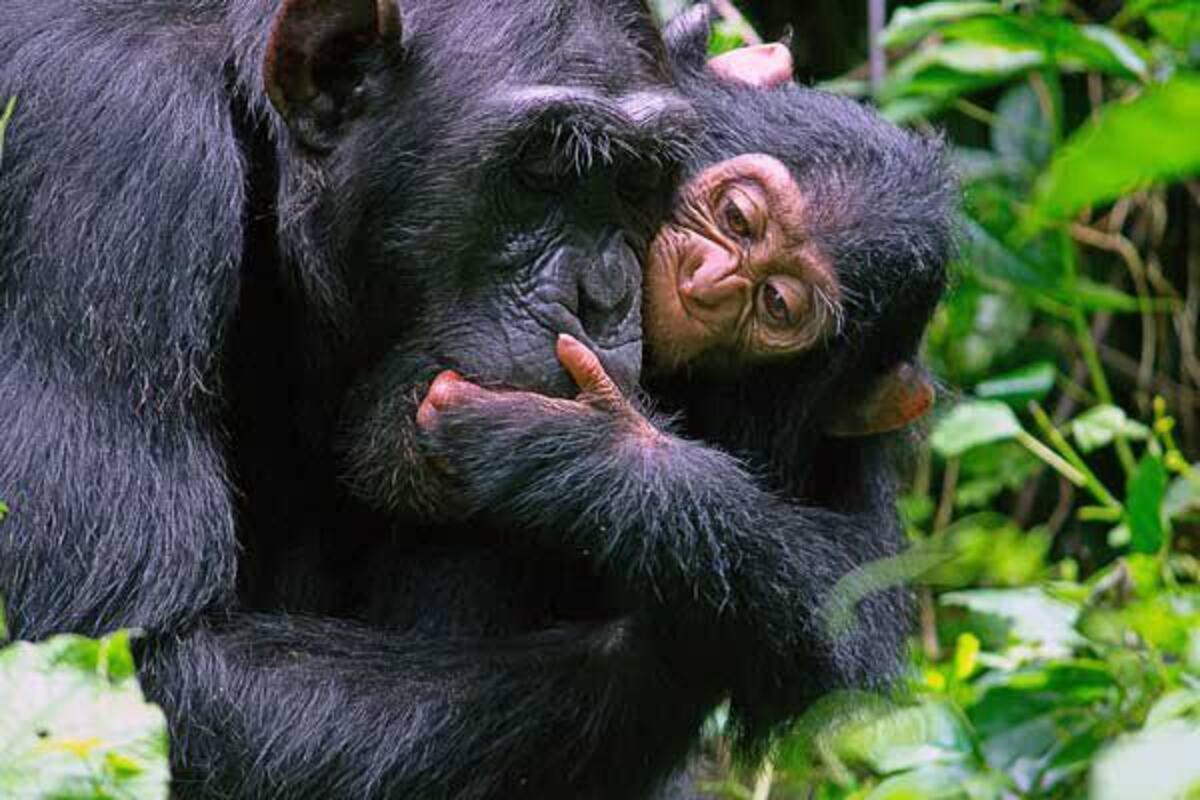
The experience is most closely associated with Kibale National Park, often called one of the best places in Africa to observe wild chimpanzees.
Travelers need:
- A valid tourist visa
- A chimpanzee tracking permit
- Park entry arrangements
- Suitable walking gear
Chimpanzee tracking can involve forest trails, uneven ground, and humid conditions. Comfortable shoes and appropriate clothing make a significant difference.
Wildlife Safaris in Uganda
A tourist visa also allows travelers to explore Uganda’s national parks and wildlife reserves.
Popular safari destinations include:
- Queen Elizabeth National Park for savannah wildlife and boat trips on the Kazinga Channel
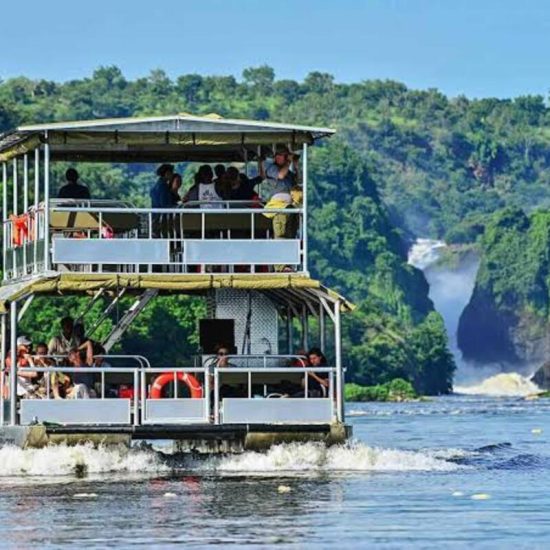
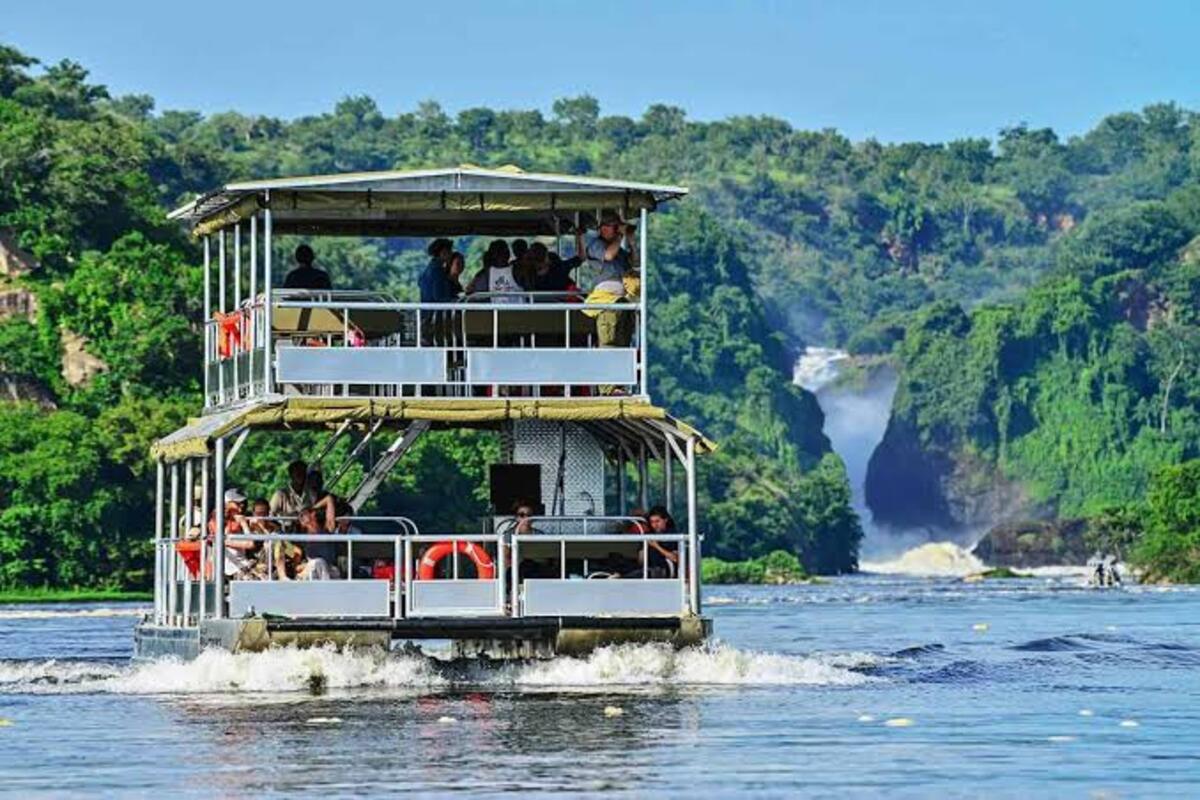
- Murchison Falls National Park for game drives and river cruises
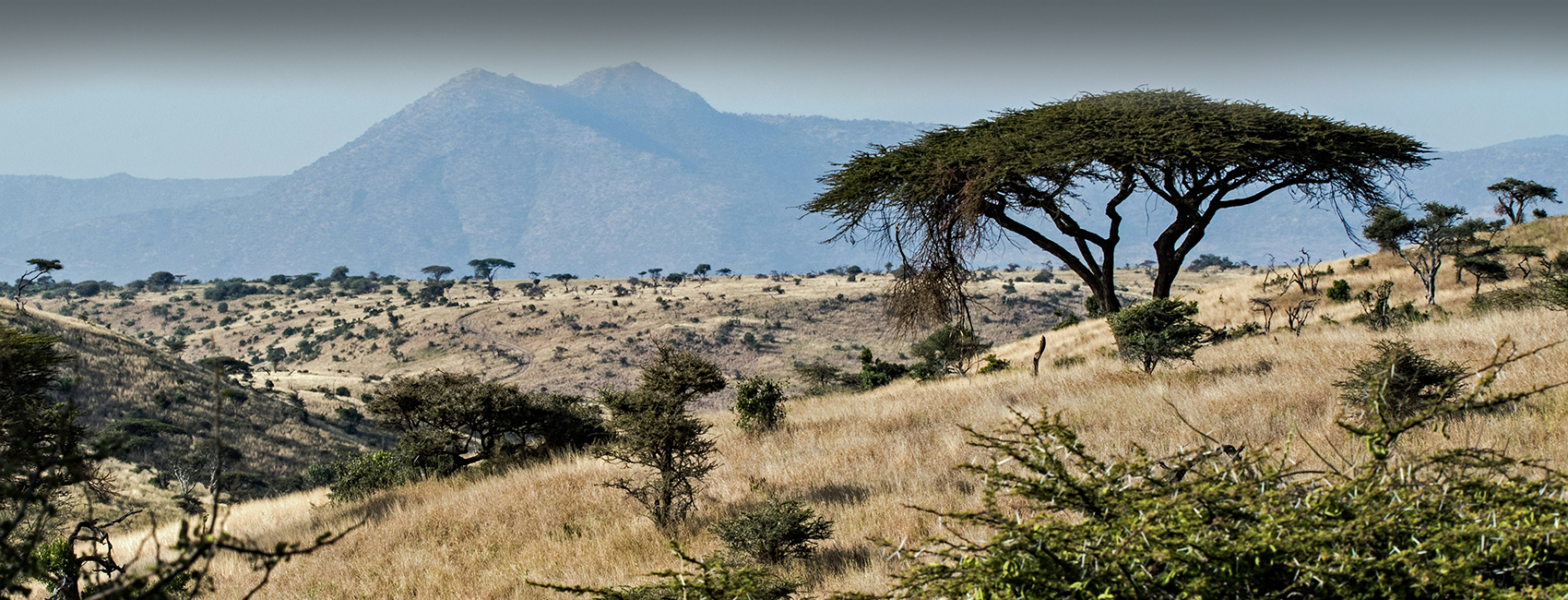
- Kidepo Valley National Park for remote wilderness experiences
- Lake Mburo national park for walking safaris, horseback riding
Each destination has different travel considerations, including road conditions, driving distances, accommodation availability, and seasonal changes.
What First-Time Visitors Should Know Before Traveling to Uganda
A visa is only one part of preparing for your trip. Uganda rewards travelers who arrive with realistic expectations and good preparation.
Road Travel Can Take Longer Than Expected
Uganda is geographically compact compared with some African safari destinations, but travel times can be longer than distances suggest.
Reasons include:
- Rural road conditions
- Traffic around towns
- Weather affecting some routes
- Stops for wildlife viewing or photography
A journey that looks short on a map may take several hours.
Building flexibility into your itinerary helps you enjoy the journey rather than feeling rushed.
Accommodation Choices Vary Widely
Uganda offers accommodation options for different travel styles and budgets.
Travelers can choose from:
Luxury Lodges
These often provide:
- More spacious rooms
- Premium locations
- Higher levels of service
- Additional comfort in remote areas
Mid-Range Lodges
These are popular among many safari visitors because they balance comfort and value.
Budget Accommodation
Budget options allow travelers to explore Uganda while keeping costs lower, though facilities may be simpler.
When choosing accommodation, consider location as well as price. Staying closer to park entrances or trekking starting points can reduce early morning travel times.
Weather and Packing Considerations
Uganda has a tropical climate, but conditions vary by region and altitude.
Travelers should prepare for:
- Warm daytime temperatures
- Cooler evenings in some areas
- Rain showers throughout the year
- Muddy forest trails during wet periods
For a safari and gorilla trekking trip, useful items include:
- Lightweight clothing
- Waterproof jacket
- Comfortable walking shoes
- Long trousers for forest activities
- Sun protection
- Insect repellent
- Reusable water bottle
- Camera equipment
- Small backpack
Responsible Tourism in Uganda
Travelers visiting Uganda’s natural areas play an important role in supporting conservation and local communities.
Responsible tourism practices include:
- Following ranger instructions during wildlife encounters
- Keeping a respectful distance from animals
- Avoiding single-use plastics where possible
- Supporting locally owned businesses
- Respecting local customs and communities
- Choosing operators who prioritize ethical tourism practices
For gorilla trekking specifically, rules such as limiting group sizes and maintaining visitor guidelines help protect both wildlife and people.
The goal is not only to see these environments but to help ensure they remain protected for future generations.
Uganda Visa Frequently Asked Questions
Do I need a visa to visit Uganda for gorilla trekking?
Yes, most international visitors require a Uganda tourist visa before entering the country.
A tourist visa allows you to participate in gorilla trekking, but the gorilla permit itself is a separate requirement.
How fit do I need to be for gorilla trekking?
Fitness requirements vary depending on the gorilla family assigned and the location of the trek.
Some hikes are relatively short, while others can involve several hours of walking through steep forest terrain.
You should be prepared for:
- Uneven trails
- Slippery ground
- Humidity
- Long periods of walking
Regular walking, hiking practice, and basic fitness preparation can make the experience more comfortable.
Will I definitely see gorillas?
No wildlife experience can be guaranteed.
However, Uganda’s gorilla trekking system is designed around visiting habituated gorilla groups, and sightings are generally very common. The trek itself is part of the experience, as conditions in the forest change daily.
Can I hire a porter for gorilla trekking?
Yes! Many visitors choose to hire local porters at the trekking starting point.
Porters can help by:
- Carrying backpacks
- Offering support on difficult sections
- Providing additional encouragement during challenging terrain
Hiring a porter also directly supports local community members.
Can seniors do the gorilla trek?
Yes, many older travelers successfully complete gorilla treks.
The important factors are:
- Choosing an appropriate trek difficulty where possible
- Preparing physically
- Discussing mobility concerns with your safari planner
- Hiring a porter if needed
Some visitors may benefit from options such as shorter trekking routes or additional assistance.
What happens if it rains during the trek?
Rain is a normal part of Uganda’s forest environment.
Treks usually continue unless conditions become unsafe.
Bring:
- Waterproof jacket
- Rain cover for your backpack
- Waterproof protection for cameras and electronics
- Proper hiking footwear
Forest conditions can become muddy, so preparation is essential.
Can I wear shorts during a Uganda safari or gorilla trek?
You can wear shorts in many safari settings, especially during warm daytime activities.
However, long trousers are often more practical for forest activities because they provide protection from:
- Mud
- Vegetation
- Insects
- Scratches from plants
Is there a luggage weight limit for Uganda safaris?
There is no single luggage limit that applies to every safari because requirements depend on your airline, domestic flights, and itinerary.
If your trip includes small aircraft flights, luggage restrictions may be stricter.
Soft-sided bags are often recommended because they are easier to store in safari vehicles and aircraft.
How much should I tip during a Uganda safari?
Tipping is not mandatory in Uganda, but it is appreciated when someone has provided good service.
Many travelers choose to tip safari guides, drivers, trackers, porters, lodge staff, and other service providers who contribute to their experience.
There is no fixed rule, and the amount depends on:
- The quality of service
- The length of your safari
- The size of your group
- Your personal budget
It is usually better to tip because someone has genuinely helped make your trip better rather than treating it as an automatic obligation.
For gorilla trekking, many visitors choose to tip porters, guides, and trackers because these roles require significant effort in challenging forest conditions.
A useful approach is to carry some small local currency notes or exchange money after arrival for easier tipping.
Can I take photos during gorilla trekking?
Yes, photography is allowed during gorilla trekking, but there are strict guidelines designed to protect both visitors and the gorillas.
Travelers should:
- Listen carefully to ranger instructions
- Avoid using flash photography
- Keep a respectful distance from gorillas
- Follow the time limits provided during the encounter
Forest conditions can also make photography challenging. Light levels are often low beneath the canopy, and gorillas may move through vegetation or remain partly hidden.
Helpful photography tips include:
- Bring extra batteries
- Carry a waterproof camera cover
- Practice using your camera in low light before traveling
- Avoid spending the entire encounter behind the lens
The goal is to experience the moment while also respecting the animals and the environment.
Are there toilets at the gorilla trekking starting point?
Yes, toilets are generally available at trekking briefing areas.
However, facilities inside the forest are limited.
Before starting your trek:
- Use the available facilities at the briefing point.
- Carry personal hygiene supplies.
- Ask your guide about procedures if you need assistance during the trek.
Because gorilla trekking takes place in protected forest environments, visitors should be prepared for basic conditions rather than expecting facilities similar to urban areas.
Is Uganda safe for tourists?
Uganda is generally considered a welcoming destination for international visitors, and many travelers complete safaris without problems.
As with any international trip, sensible precautions are important.
Travelers should:
- Follow advice from their safari guide
- Keep valuables secure
- Avoid unnecessary displays of expensive belongings
- Use reliable transportation
- Respect local laws and customs
When visiting national parks, always follow wildlife safety instructions. Animals in the wild are unpredictable, and maintaining a safe distance is essential.
A professional guide plays an important role in helping visitors understand animal behavior and move safely through wilderness areas.
Can travellers with limited mobility visit Uganda?
Yes, but planning is important.
Some safari experiences are easier to adapt than others.
Wildlife safaris involving vehicle-based game drives can often be arranged for travelers with mobility considerations. Gorilla trekking, however, can be physically demanding because of forest terrain, steep sections, and changing weather conditions.
Travelers with accessibility concerns should discuss:
- Mobility requirements
- Walking ability
- Accommodation preferences
- Medical considerations
- Trekking expectations
A customized itinerary can help match the trip with each traveler’s comfort level.
Can I travel to Uganda with children?
Yes, families can visit Uganda, although the suitability of activities depends on the child’s age and interests.
Family-friendly options may include:
- Wildlife safaris
- Cultural experiences
- Nature walks
- Boat trips
Some activities, including gorilla trekking, have minimum age requirements and specific regulations.
Families should consider:
- Travel distances
- Road conditions
- Accommodation facilities
- Activity restrictions
A carefully planned itinerary can make a Uganda safari enjoyable for different generations.
Can I use my Uganda visa to enter Kenya or Rwanda?
No, A standard Uganda tourist visa allows entry into Uganda only.
If your itinerary includes Kenya or Rwanda, the East Africa Tourist Visa may be a better option because it allows travel between:
- Uganda
- Kenya
- Rwanda
Always check that your visa matches your planned route before departure.
Can I work in Uganda with a tourist visa?
No, A tourist visa is intended for tourism activities only.
Visitors planning to work, volunteer in certain capacities, study, or conduct long-term business activities should obtain the appropriate authorization before starting those activities.
Is travel insurance required for Uganda?
Travel insurance requirements can vary depending on circumstances, but comprehensive coverage is strongly recommended.
A suitable policy can help protect you from unexpected costs related to:
- Medical emergencies
- Trip cancellations
- Lost luggage
- Flight disruptions
- Emergency evacuation
This is especially relevant for safari travelers who may spend time in remote areas where medical facilities are limited.
Final Checklist Before Traveling to Uganda
Before boarding your flight, review this checklist to make sure you have everything needed for a smooth arrival.
Essential Travel Documents
✔ Valid passport with at least six months’ validity
✔ Approved Uganda visa or East Africa Tourist Visa (if required)
✔ Printed and digital copy of visa approval
✔ Yellow fever vaccination certificate where required
✔ Return or onward travel details
✔ Accommodation confirmations
✔ Safari itinerary
✔ Travel insurance documents
Safari-Specific Documents
✔ Gorilla trekking permit (if applicable)
✔ Chimpanzee tracking permit (if applicable)
✔ National park booking confirmations
✔ Emergency contacts for your safari operator
Useful Preparation Steps
✔ Inform your bank about international travel if needed
✔ Save digital copies of important documents
✔ Pack suitable clothing for warm weather and rain
✔ Bring comfortable walking shoes
✔ Carry any personal medication you require
Keeping digital backups of your documents in secure online storage or email can be helpful if physical copies are lost.
Preparing Well for Your Uganda Journey
A Uganda safari begins long before you arrive at the airport.
The planning decisions you make, choosing the right visa, preparing documents carefully, understanding travel requirements, and allowing enough time for arrangements, shape how smoothly your adventure unfolds.
Uganda offers travelers a remarkable variety of experiences within one destination: walking through ancient forests in search of mountain gorillas, listening for chimpanzees beneath the canopy, watching wildlife along open savannah plains, and meeting communities whose traditions are deeply connected to the land.
The practical details may seem small compared with the excitement of the journey, but they are what allow you to fully enjoy the experience once you arrive.
With the right preparation, your focus can shift from paperwork to discovery, from immigration counters to forest trails, from travel planning to the landscapes and wildlife that brought you here.
At Naseeb Safaris, we help travelers plan Uganda journeys with practical guidance from the earliest planning stages. Whether you need assistance choosing an itinerary, arranging permits, selecting accommodation, or understanding the logistics of your safari, our team can help create a trip that fits your interests, schedule, and travel style.
Contact Naseeb Safaris to begin planning your Uganda adventure with a personalized itinerary designed around the experiences you want to discover.