
Recommendations For Family Tours in Uganda
Recommendations For Family Tours in Uganda, Planning an African safari as a family often starts with the same shortlist: Kenya, Tanzania, or South Africa. Yet Uganda offers something many first-time visitors aren’t expecting, a journey where wildlife, rainforest adventures, river cruises, and meaningful cultural encounters fit comfortably into one itinerary.
Rather than focusing on a single safari experience, Uganda combines several. One day you might watch elephants feeding on an open plain, the next you’re cruising the Nile past hippos and crocodiles, or walking through a village where children can learn how coffee is grown and prepared. For families travelling together, this variety keeps every generation engaged.
The country also lends itself well to slower, more flexible travel. Lodges range from simple safari camps to luxury family cottages, guides are accustomed to travelling with children, and many activities can be adapted to suit different ages and energy levels.
While gorilla trekking often captures the headlines, it is only one part of what makes Uganda rewarding for families. Boat safaris, wildlife drives, chimpanzee tracking (for eligible ages), birdwatching, community visits, nature walks, and scenic landscapes create a trip that offers something new almost every day.
Whether you are travelling with young children, teenagers, grandparents, or a mix of all three, this guide explains what to expect, how to prepare, and how to decide whether a Uganda family safari is the right choice for your next adventure.
Why Uganda Works So Well for Family Safaris
A successful family holiday needs more than impressive wildlife. It should balance excitement with downtime, offer activities suitable for different ages, and avoid feeling like a constant rush between destinations.
Uganda naturally lends itself to that style of travel.
Unlike destinations where game drives dominate every day, here families can mix traditional safaris with forest walks, boat excursions, cultural experiences, and time to relax at comfortable lodges. Children often stay engaged because no two days feel quite the same.
Another advantage is the country’s relatively compact safari circuit. While some drives are long, many of Uganda’s most rewarding destinations can be combined into a 7–12 day itinerary without crossing vast distances every day.
For many families, that slower pace becomes one of the highlights of the trip.
Wildlife Beyond the Safari Vehicle
One of the biggest differences visitors notice is that wildlife isn’t only viewed from a vehicle.
Depending on the destination and your children’s ages, your family may experience:
- Guided boat cruises
- Walking safaris with armed rangers
- Chimpanzee tracking
- Canoe excursions
- Birdwatching
- Rhino tracking on foot
- Cultural village visits
- Coffee farm experiences
This variety helps children stay curious while giving parents opportunities to experience Uganda from different perspectives.
Is Uganda Suitable for Young Children?
Yes! but choosing the right itinerary is important.
Families travelling with children under about eight years old generally enjoy safaris that include shorter driving days, more boat activities, and accommodation with space to relax.
Older children and teenagers usually appreciate longer wildlife drives, guided walks, and adventure-focused activities.
Parents should remember that some experiences have minimum age restrictions.
Activities with Age Restrictions
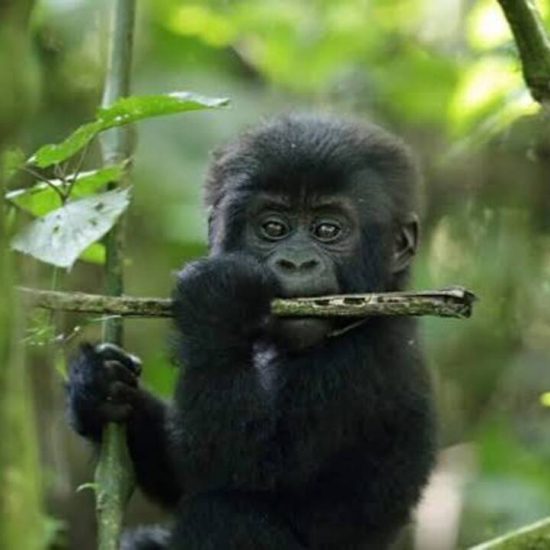
The most important restriction affects gorilla trekking.
Visitors must be at least 15 years old to participate in mountain gorilla trekking in Uganda. The rule is set by the Uganda Wildlife Authority to protect both visitors and the gorillas, as treks can involve several hours of hiking over steep and uneven terrain.
Chimpanzee tracking may also have minimum age requirements depending on the location and permit conditions.
If your group includes younger children, many families choose to split activities for the day. While eligible family members trek, younger children can enjoy cultural visits, nature walks, or lodge activities with another adult or caregiver.
What Makes a Family Safari Enjoyable?
No two families travel the same way.
Some want packed days full of wildlife, while others prefer relaxed mornings, swimming pools, and leisurely afternoons overlooking the savannah.
The best itineraries usually share several characteristics.
Comfortable Travel Days
Uganda’s landscapes are incredibly varied, but some transfers between parks can take several hours.
Rather than trying to visit every destination, it often makes sense to focus on fewer parks and spend more time exploring each one.
Children usually enjoy safaris more when there is time to stop for photographs, stretch their legs, and appreciate the journey rather than simply reaching the next destination.
Experienced guides often adjust the pace according to the group’s interests and energy levels.
Flexible Daily Schedules
Wildlife doesn’t follow a timetable.
Some of the best sightings happen unexpectedly.
Allowing flexibility means families can spend longer watching elephants cross a road, enjoy extra time photographing giraffes, or simply relax after lunch instead of rushing to the next activity.
This slower rhythm is especially helpful when travelling with younger children.
Choosing Family-Friendly Accommodation
Where you stay has a major influence on the overall experience.
Many safari lodges in Uganda cater well to families by offering:
- Family cottages
- Interconnecting rooms
- Swimming pools
- Children’s meal options
- Spacious gardens
- Safe walking areas
- Flexible dining arrangements
Luxury lodges often provide private cottages that allow parents and children to stay together while still enjoying privacy.
Mid-range lodges offer excellent value, particularly for families planning a longer safari.
Budget camps can also work well for adventurous families, provided children are comfortable with simpler facilities.
When booking accommodation, it’s worth asking about:
- Extra beds or cots
- Laundry services
- Wi-Fi availability
- Child-friendly menus
- Swimming pool safety
- Power supply for charging cameras and devices
Educational Experiences Children Remember
Many parents discover that the most lasting memories aren’t always the biggest wildlife sightings.
Watching a ranger identify fresh animal tracks, learning how local coffee is processed, or hearing stories from community guides often sparks conversations long after the trip ends.
Travel in Uganda naturally introduces children to subjects such as:
- Wildlife conservation
- Ecology
- Geography
- Local cultures
- Sustainable tourism
- Birdlife
- Forest ecosystems
Instead of reading about these topics in a classroom, children experience them directly.
That makes the learning feel genuine rather than structured.
Planning Your Family Safari
How Many Days Should You Spend?
For most first-time visitors, 7 to 10 days provides enough time to experience several regions without spending too much of the holiday on the road.
Typical combinations include:
- Murchison Falls National Park
- Kibale Forest
- Queen Elizabeth National Park
- Bwindi impenetrable national park
Families with more time often extend their journey to Lake Bunyonyi for relaxation after trekking and Lake Mburo national park for horseback and cycling safaris.
Those travelling with younger children may prefer fewer destinations and longer stays at each lodge.
Best Time to Visit Uganda with Children
Uganda can be visited throughout the year.
The June to August and December to February dry seasons are generally the easiest periods for family travel because:
- Wildlife is often easier to spot.
- Many roads are in better condition.
- Forest trails are usually less muddy.
- Outdoor activities are more predictable.
The wetter months shouldn’t automatically be ruled out.
Rain often falls in short bursts rather than all day, landscapes become particularly green, birdwatching is excellent, and some lodges offer lower seasonal rates.
Families travelling during school holidays should book well in advance, especially if gorilla permits are part of the itinerary.
How Far in Advance Should You Book?
Booking timelines depend on your travel plans.
If your itinerary includes gorilla trekking during the peak seasons, permits are often secured several months ahead.
Accommodation at popular family lodges can also fill early during:
- July and August
- Christmas and New Year
- Easter holidays
If your travel dates are flexible, planning early provides more accommodation choices and allows guides to build an itinerary around your family’s interests rather than simply around availability.
Common Mistakes First-Time Families Make
Some of the most common planning mistakes include:
- Trying to visit too many parks in one trip
- Underestimating driving times
- Forgetting warm clothing for early morning game drives
- Assuming every wildlife sighting is guaranteed
- Waiting too long to reserve gorilla permits
- Packing heavy suitcases instead of practical clothing
A slower itinerary almost always results in a more enjoyable family experience.
The Best National Parks in Uganda for Families
One of Uganda’s greatest strengths is the diversity of its national parks. Each has its own character, landscapes, and wildlife, making it possible to experience something different every few days without feeling as though you arerepeating the same safari.
For families, choosing the right combination of parks often matters more than trying to visit as many as possible.
Some parks are ideal for classic game drives, others are known for rainforest adventures, while several offer boat cruises that younger children often enjoy just as much as wildlife drives.
Murchison Falls National Park: Wildlife and the Nile in One Destination
For many first-time visitors, Murchison Falls National Park offers the most complete introduction to Uganda’s wildlife.
The country’s largest national park combines open savannah, river ecosystems, woodlands, and forests, giving families a chance to experience several habitats in a single visit.
Morning game drives typically provide opportunities to look for:
- African elephants
- Rothschild’s giraffes
- Uganda kob
- Buffalo
- Warthogs
- Jackson’s hartebeest
- Lions
- Hyenas
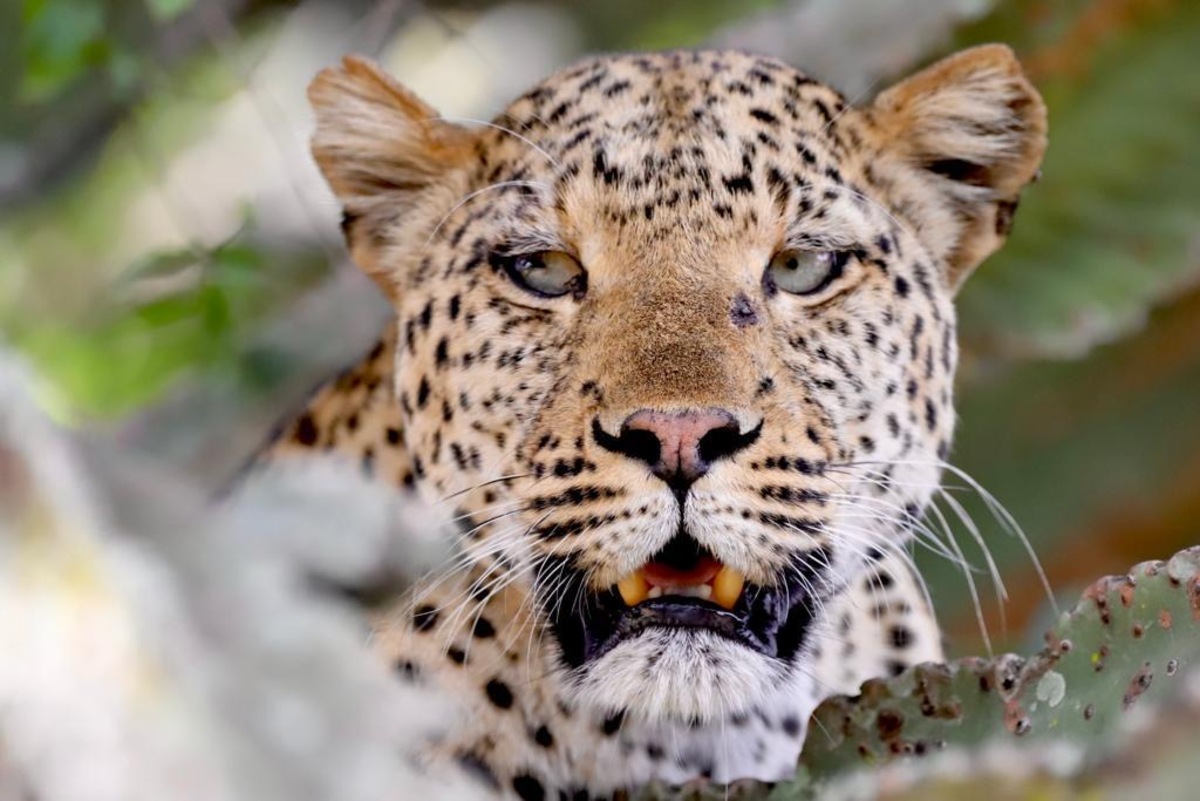
- Leopards (seen occasionally rather than reliably)
Wildlife sightings vary each day, and guides usually adapt routes based on recent animal movements and road conditions.
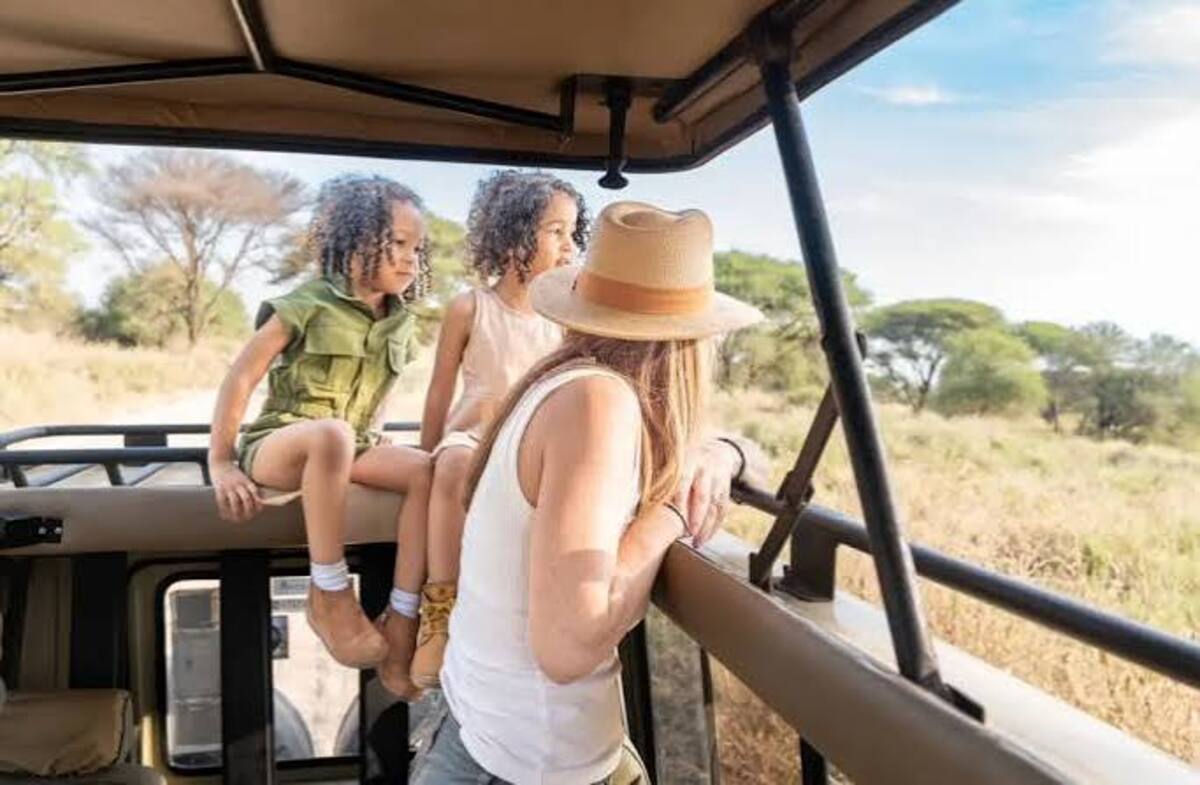
Children often enjoy helping spot animals from the elevated safari vehicle, turning each drive into a shared adventure rather than a passive sightseeing experience.
The Nile Boat Cruise
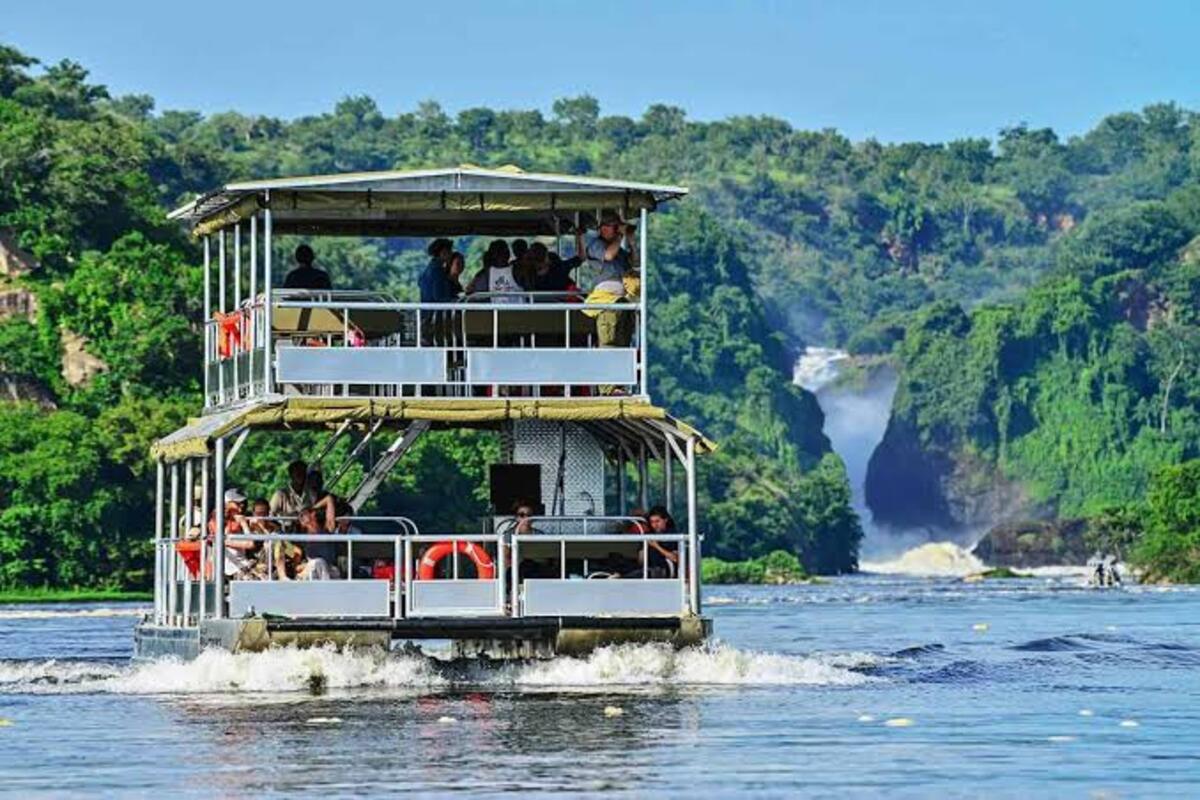
Many families describe the afternoon cruise to the base of Murchison Falls as one of the highlights of the park.
Unlike a game drive, the boat moves at a slower pace, making wildlife easier to observe.
Along the riverbanks you may see:
- Hippos gathering in large pods
- Nile crocodiles resting on sandy banks
- Elephants drinking at the water’s edge
- Buffalo cooling themselves in shallow water
- Fish eagles, kingfishers and bee-eaters overhead
The journey ends beneath the falls themselves, where the Nile forces its way through a narrow gap in the rocks before plunging downstream.
The power of the water is something that photographs rarely capture fully.
Queen Elizabeth National Park: Uganda’s Most Diverse Safari Destination
If you are looking for variety, few parks match Queen Elizabeth National Park.
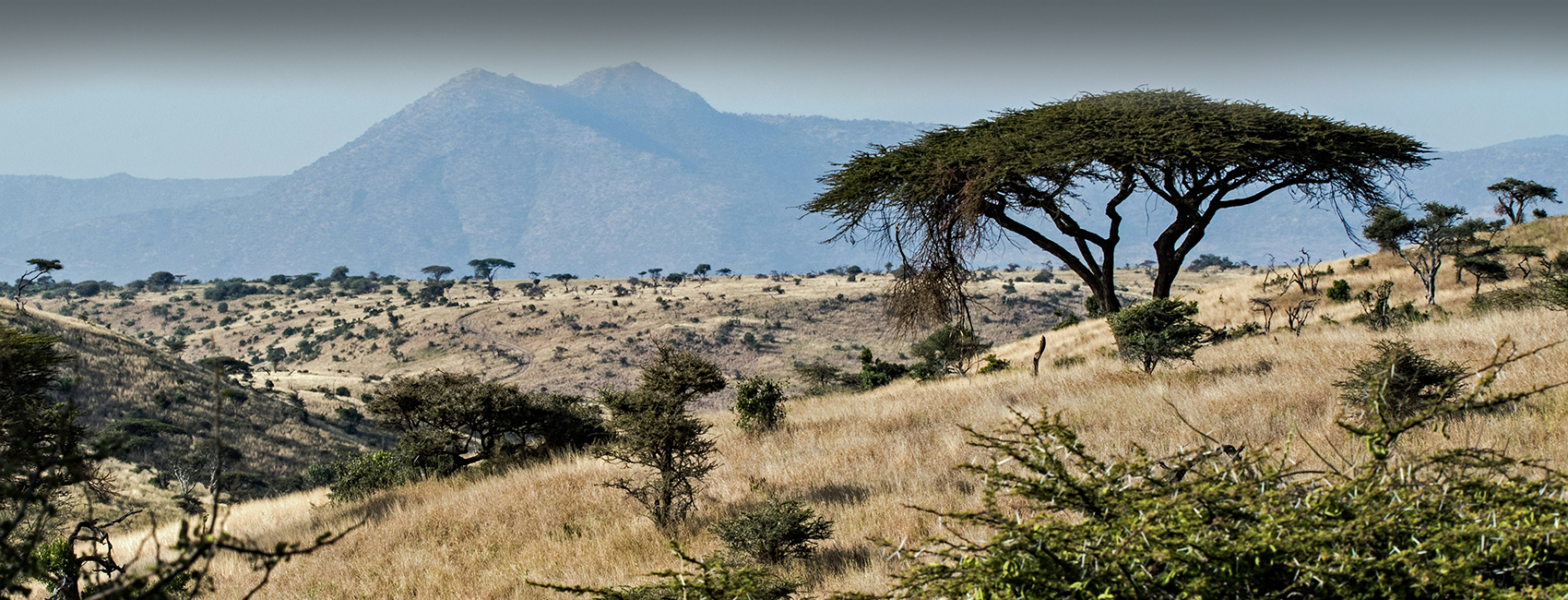
Within a relatively compact area, the landscape changes repeatedly from open grasslands and volcanic crater lakes to wetlands, forests and river channels.
That diversity supports an impressive range of wildlife and makes every game drive feel slightly different.
Families commonly search for:
- Elephants
- Buffalo
- Lions
- Warthogs
- Waterbuck
- Uganda kob
- Hyenas
- Giant forest hogs
- Numerous bird species
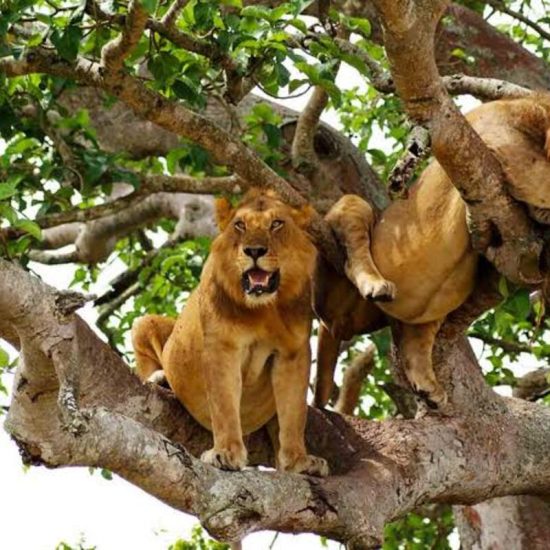
Can You See Tree-Climbing Lions?
The Ishasha sector is famous for lions that sometimes rest in fig trees.
Although these sightings are well known, they are never guaranteed.
Some visitors are fortunate enough to find several lions in the trees, while others may see them hunting or resting on the ground instead.
Treating wildlife sightings as possibilities rather than expectations helps avoid disappointment.
Kazinga Channel Boat Safari
If you are travelling with children, the Kazinga Channel is often easier than a long game drive because wildlife gathers naturally along the shoreline.
The slow-moving boat provides excellent opportunities to observe animals behaving naturally without covering long distances.
Expect to see:
- Hippos
- Crocodiles
- Elephants
- Buffalo
- Water birds
- Pied kingfishers
- African fish eagles
For photographers, late afternoon usually provides softer light across the water.
Kibale Forest National Park: Meeting Our Closest Relatives
Kibale Forest offers a completely different safari experience.
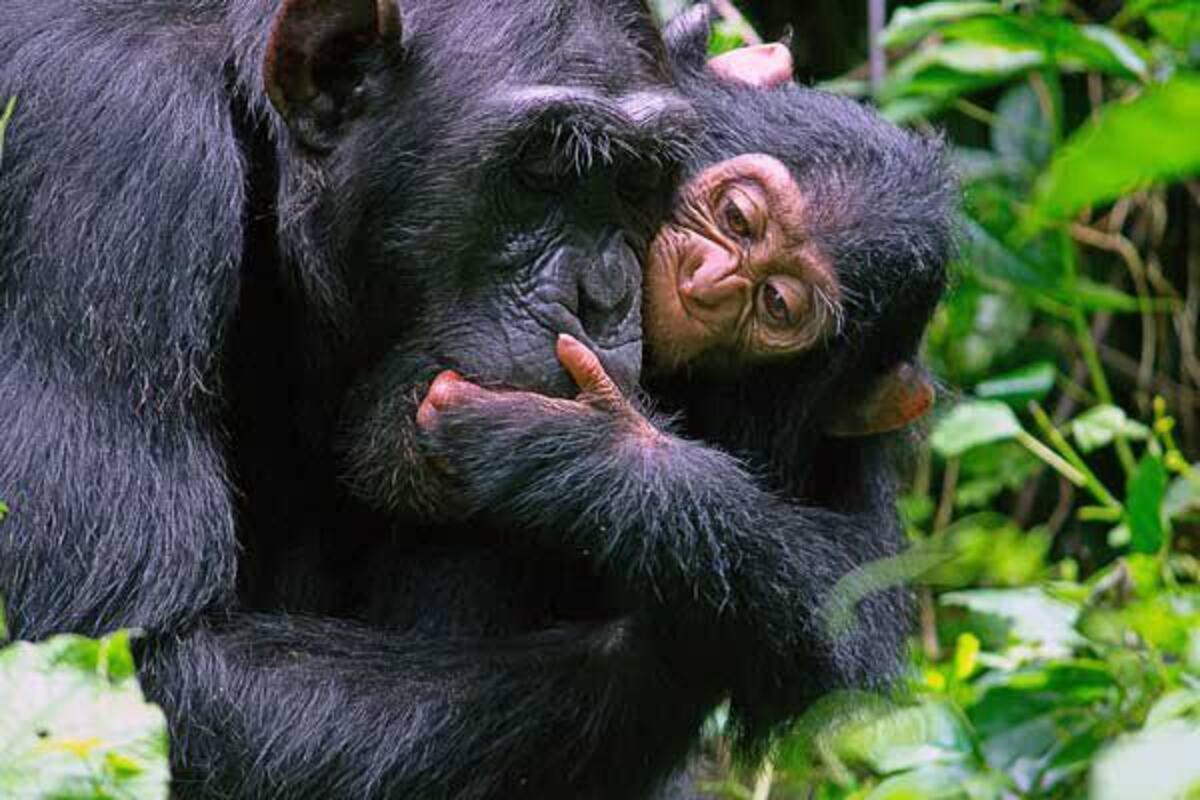
Instead of scanning wide plains for wildlife, visitors walk beneath towering rainforest trees while listening for chimpanzees calling high in the canopy.
The forest protects one of Africa’s richest concentrations of primates.
Besides chimpanzees, visitors may also encounter:
- Black-and-white colobus monkeys
- Red-tailed monkeys
- Grey-cheeked mangabeys
- L’Hoest’s monkeys
- Olive baboons
Wildlife remains wild and moves freely, so every trek unfolds differently.
Some groups find chimpanzees quickly.
Others spend longer walking before hearing distant calls that gradually lead the trackers to the troop.
Is Chimpanzee Tracking Suitable for Children?
Age restrictions vary depending on the activity and permit.
Currently minimum age for chimpanzee tracking is 15 years in Kibale, although its 12 years in some places like Kalinzu forest reserve.
Even children too young for tracking often enjoy guided forest walks, nearby wetlands, or community visits while older family members participate.
Lake Mburo National Park: Ideal for Younger Families
Not every safari has to involve long drives.
Lake Mburo National Park offers a more relaxed atmosphere that many families appreciate, particularly those travelling with younger children.
The park is compact, making wildlife easier to access without spending hours on the road.
Walking Safaris
Unlike many African parks, Lake Mburo offers guided walking safaris.
Exploring on foot changes the experience completely.
Instead of concentrating on large mammals alone, families begin noticing:
- Animal tracks
- Bird calls
- Wildflowers
- Insects
- Dung beetles
- Acacia trees
- Smaller antelope species
Children often enjoy this slower pace because they become active participants rather than simply passengers.
Horseback Safaris
Lake Mburo is also one of the few places in Uganda where visitors can explore on horseback.
Riding quietly through the landscape allows wildlife to remain relatively relaxed, often leading to close views of zebras, impalas and eland.
Minimum ages and riding experience requirements vary.
Gorilla Trekking and Family Travel
For many travellers, seeing mountain gorillas is the experience that inspires a visit to Uganda.
However, it helps to understand exactly what gorilla trekking involves before deciding whether it suits your family.
Minimum Age Requirement
Only visitors aged 15 years and above may participate.
This regulation exists because trekking can be physically demanding, and visitors must be able to follow conservation guidelines carefully around endangered gorillas.
Families travelling with younger children often organise separate activities on trekking day.
These may include:
- Community walks
- Cultural performances
- Craft workshops
- Birdwatching
- Nature walks around the lodge
How Difficult Is Gorilla Trekking?
The difficulty varies considerably.
Some gorilla families are located within an hour of the starting point.
Others require several hours of hiking through steep, muddy forest.
The Uganda Wildlife Authority assigns groups based on several factors, including visitor fitness where possible, but there is never a guarantee of a short trek.
Hiring a porter is strongly recommended for most visitors—not only because they help carry backpacks and offer support on difficult sections, but also because porter fees provide valuable income for local communities.
Wildlife Viewing: What Should Families Realistically Expect?
One of the most common questions first-time visitors ask is whether they will definitely see certain animals.
The honest answer is no.
National parks are not zoos, and wildlife moves freely across large protected areas.
That uncertainty is part of what makes every sighting memorable.
Experienced guides greatly improve your chances by communicating with other guides, reading fresh tracks, and understanding animal behaviour, but no responsible operator can promise specific sightings.
Instead of focusing only on the “Big Five,” many families discover they remember quieter moments just as clearly:
- A giraffe feeding beside the road.
- Elephant calves staying close to their mothers.
- Hippos surfacing beside a boat.
- Weaver birds building intricate nests.
- Monkeys crossing the forest canopy overhead.
These moments often become the stories families continue talking about long after they return home.
Cultural Experiences That Add Depth to Your Journey
Wildlife is only one part of travelling through Uganda.
Meeting local communities helps visitors understand the people, traditions, and livelihoods that have shaped these landscapes for generations.
The most rewarding experiences are interactive rather than staged.
Community Walks
Guided village visits offer opportunities to learn about daily life, agriculture, education, and local traditions.
Children often enjoy seeing:
- School gardens
- Banana plantations
- Traditional cooking methods
- Livestock keeping
- Local markets
Respectful cultural visits also create additional income for communities living alongside protected areas.
Coffee Experiences
Uganda is one of Africa’s leading coffee producers.
On small farms, visitors can follow the journey from freshly picked cherries through drying, roasting and grinding before tasting the finished coffee.
For children, these visits provide an engaging introduction to farming and sustainable agriculture.
Adults usually appreciate understanding how much work goes into producing every cup.
Traditional Music and Dance
Across the country, many communities welcome visitors with music and dance performances.
Rather than watching from a distance, families are often invited to join in, making these encounters lively and memorable without feeling overly formal.
Local Crafts
Handwoven baskets, bark cloth, wood carvings, pottery and textiles are found throughout Uganda.
Buying directly from artisans supports local incomes while providing meaningful souvenirs connected to the places you’ve visited.
Whenever possible, ask permission before photographing craftspeople at work.
Birdwatching for Beginners and Enthusiasts
Even families with little previous interest in birds often become enthusiastic once they are on safari.
With more than 1,000 recorded bird species, Uganda ranks among Africa’s leading birding destinations.
Fortunately, you don’t need specialist knowledge to enjoy it.
Children often begin by spotting colourful species such as:
- Kingfishers
- Bee-eaters
- Hornbills
- Sunbirds
- African fish eagles
- Grey Crowned Cranes
In some wetlands, visitors may also have the chance to search for the Shoebill, although sightings require patience and are never guaranteed.
Guides often turn birdwatching into an interactive activity by encouraging children to identify calls, colours and behaviours.
Choosing the Right Family Accommodation
Where you stay can shape the rhythm of your safari just as much as the activities themselves. After an early morning game drive or a day spent exploring a rainforest, having somewhere comfortable to unwind makes a noticeable difference, especially when travelling with children or grandparents.
Rather than choosing accommodation based solely on price, consider how well it suits your family’s needs.
Luxury Lodges
Luxury safari lodges are designed for travellers who want extra comfort between activities. Many offer:
- Family cottages or private villas
- Interconnecting rooms
- Swimming pools
- Spacious gardens
- Excellent dining
- Laundry services
- Scenic viewpoints overlooking rivers or savannah
These properties are particularly popular with multi-generational groups because they provide enough space for everyone while maintaining privacy.
Mid-Range Lodges
Mid-range accommodation offers an excellent balance between comfort and value.
Expect comfortable ensuite rooms, good food, friendly service, and convenient access to nearby parks. Many also provide family rooms and can accommodate special dietary requirements with advance notice.
For many visitors, this category offers the best overall value for a week-long safari.
Budget Camps and Guesthouses
Families travelling on a tighter budget can still enjoy a rewarding safari.
Well-managed tented camps and guesthouses provide clean accommodation and an authentic bush atmosphere without sacrificing safety. Facilities may be simpler, but many are located close to national park entrances, reducing travel time for daily activities.
Getting Around Uganda
Most international visitors travel between parks by private safari vehicle with a driver-guide.
For families, this is generally the most comfortable and flexible option. It allows for regular breaks, scenic stops, and adjustments to the day’s schedule if wildlife sightings or weather make it worthwhile.
What Are the Roads Like?
Road conditions vary across the country.
Major highways connecting cities are generally paved, while roads inside and leading to national parks are often gravel or dirt. During the rainy seasons these roads can become muddy and slower to navigate.
Journey times are usually longer than the distance alone might suggest, so realistic planning is important.
Domestic flights are available to several safari regions and can reduce travel time, although they increase the overall trip cost.
How Much Does a Family Safari Cost?
There is no single price for a Uganda safari because costs depend on several factors, including:
- Time of year
- Group size
- Accommodation standard
- Number of parks visited
- Whether gorilla trekking is included
- Domestic flights versus road transfers
One of the largest individual expenses is a gorilla trekking permit, so families should include this in their planning if eligible travellers wish to participate.
Booking early often provides more accommodation choices and helps secure permits during busy travel periods.
Packing for a Family Safari
Packing thoughtfully is more useful than packing heavily.
Laundry services are available at many lodges, making it unnecessary to carry large suitcases.
A practical packing list includes:
- Lightweight neutral-coloured clothing
- Long-sleeved shirts for sun and insects
- Comfortable walking shoes
- Waterproof jacket
- Wide-brimmed hat
- Sunglasses
- Sunscreen
- Insect repellent
- Personal medications
- Binoculars
- Camera with spare batteries or charging equipment
- Reusable water bottle
- Small backpack for daily excursions
Families travelling with younger children may also wish to bring books, travel games or colouring materials for longer drives.
Photography Tips
Uganda offers excellent opportunities for wildlife and landscape photography, but a few simple habits can improve your results.
- Early morning and late afternoon usually provide the softest natural light.
- Keep your camera easily accessible rather than packed away.
- A zoom lens helps photograph wildlife without disturbing animals.
- Respect park rules and avoid using flash around wildlife.
- During gorilla and chimpanzee tracking, listen carefully to your guide’s photography briefing.
Sometimes the photographs families value most aren’t close-up wildlife portraits but the shared moments between generations during the journey.
Tipping Etiquette
Tipping is appreciated but remains voluntary.
Families commonly choose to tip:
- Driver-guides
- Gorilla or chimpanzee trackers
- Lodge staff
- Porters
- Boat crews where appropriate
Many lodges provide a communal staff tip box alongside opportunities to tip individuals directly.
If you are unsure about local customs, your guide can explain what is typical without any obligation.
Health and Safety
Uganda welcomes visitors from around the world each year, and a well-planned safari is generally a safe way to explore the country.
As with travel anywhere, sensible precautions make a difference.
Before travelling:
- Check current vaccination recommendations.
- Discuss malaria prevention with your healthcare provider.
- Purchase comprehensive travel insurance.
- Carry any prescription medication in its original packaging.
During your safari:
- Follow your guide’s instructions.
- Stay inside the vehicle unless told otherwise.
- Keep a respectful distance from wildlife.
- Drink plenty of water, particularly during warmer months.
When trekking, remember that trails can be uneven and slippery after rain.
Accessibility Considerations
Some safari experiences are easier to adapt than others.
Game drives and boat cruises are generally suitable for many travellers with limited mobility, provided vehicles and accommodation are chosen carefully.
Rainforest trekking, including gorilla trekking can be physically demanding because of steep, muddy terrain.
Visitors with mobility concerns should discuss their requirements before booking. In some cases, sedan chairs carried by trained teams can be arranged for gorilla trekking at an additional cost, allowing more people to experience the forest.
Planning ahead gives operators the best opportunity to arrange suitable accommodation and activities.
A Sample 7-Day Family Safari Itinerary
Every family travels differently, but this example shows how wildlife, culture and relaxation can fit comfortably into one week.
Day 1 – Arrive in Entebbe
Meet your guide, transfer to your hotel and relax after your international flight. Depending on arrival time, consider a visit to the Entebbe Botanical Gardens.
Day 2 – Murchison Falls National Park
Travel north with a stop at Ziwa Rhino Sanctuary, where families can track rhinos on foot with trained rangers before continuing to the park.
Day 3 – Safari and Nile Boat Cruise
Spend the morning searching for wildlife before enjoying an afternoon cruise to the base of Murchison Falls.
Day 4 – Kibale Forest
Travel through tea-growing regions and rolling countryside to western Uganda.
Day 5 – Chimpanzee Tracking and Community Visit
Eligible family members join chimpanzee tracking while others enjoy alternative activities before meeting again for a community experience.
Day 6 – Queen Elizabeth National Park
Combine a morning game drive with an afternoon boat cruise along the Kazinga Channel.
Day 7 – Return to Entebbe
Drive back through central Uganda, stopping at the Equator for photographs and local crafts before your onward journey.
Travelling Responsibly
A family safari also offers an opportunity to teach children how tourism can support conservation and local communities.
Simple choices make a positive difference:
- Respect wildlife viewing distances.
- Never feed wild animals.
- Carry a reusable water bottle.
- Buy handmade products directly from local artisans.
- Follow designated trails.
- Ask permission before photographing people.
- Support locally owned businesses where possible.
Responsible travel helps protect Uganda’s wildlife while ensuring tourism continues to benefit the communities living alongside national parks.
Frequently Asked Questions
Is Uganda a good destination for a family safari?
Yes. Uganda combines wildlife, boat cruises, forests, cultural experiences and varied landscapes, making it suitable for families with different interests.
How fit do I need to be?
Most safari activities require only moderate mobility. Gorilla trekking is considerably more demanding and can involve several hours of hiking on uneven terrain.
Will we definitely see wildlife?
No. Wildlife is free-ranging, so sightings can never be guaranteed. Experienced guides maximise your chances, but every safari is different.
Can children go on safari?
Yes. Game drives, boat cruises and many cultural activities are suitable for children, although some experiences have minimum age requirements.
What is the minimum age for gorilla trekking?
Visitors must be at least 15 years old.
Can I hire a porter for gorilla trekking?
Yes. Hiring a porter is highly recommended. They assist with steep trails and provide valuable employment for local communities.
What happens if it rains?
Safaris continue in most weather conditions. Rain jackets, waterproof bags and sturdy footwear help you stay comfortable.
Can I wear shorts?
Shorts are acceptable for many safari activities, although long trousers are often more comfortable for forest walks and help protect against insects and vegetation.
Are there toilets during activities?
Visitor centres usually have restroom facilities before activities begin. Facilities inside national parks and forests are limited.
Is there a luggage limit?
If your itinerary includes domestic flights, baggage restrictions apply. Road safaris are generally more flexible, although soft-sided bags are recommended.
Can I take photographs of wildlife?
Yes. Photography is encouraged provided park regulations are followed and flash is not used around wildlife.
How much should we tip?
Tipping is optional. Amounts vary depending on the activity and your level of satisfaction.
Final Thoughts
A family safari in Uganda is about more than checking animals off a list.
It is the excitement of hearing chimpanzees calling through the forest before you see them. It is watching children compare giraffe heights from the safari vehicle, sharing stories over dinner after a day on the Nile, and discovering that some of the most memorable moments come between the headline attractions.
The country’s mix of wildlife, landscapes and cultural experiences allows every generation to contribute something different to the journey. Parents, grandparents, teenagers and younger children often leave with completely different favourite memories, yet all from the same trip.
For families looking for an African adventure that combines wildlife with meaningful experiences and a slower pace of travel, Uganda offers an experience that continues to resonate long after the journey ends.
Plan Your Family Safari with Naseeb Safaris
If you are considering a family safari but aren’t sure where to begin, the team at Naseeb Safaris can help you build an itinerary that matches your children’s ages, your travel style, your interests and your budget.
Whether you are planning your first safari or returning to explore more of Uganda, we will help you create a journey that is practical, well-paced and designed around what matters most to your family.