
Can Seniors (Elderly) Do Gorilla Trekking in Uganda?
Can Seniors (Elderly) Do Gorilla Trekking in Uganda?, Gorilla trekking in Uganda is often described as demanding, but that description doesn’t tell the full story. Every year, older travelers in their 60s, 70s, and even 80s successfully track mountain gorillas in the forests of southwestern Uganda.
Age is rarely the deciding factor. What matters more is how the experience is prepared for, how the trek is matched to individual ability, and whether the right support is in place on the ground.
This guide explains what senior travelers should realistically expect, how to plan for the physical demands, and what options exist to make the experience accessible, even for those with limited mobility.
Understanding Gorilla Trekking in Uganda
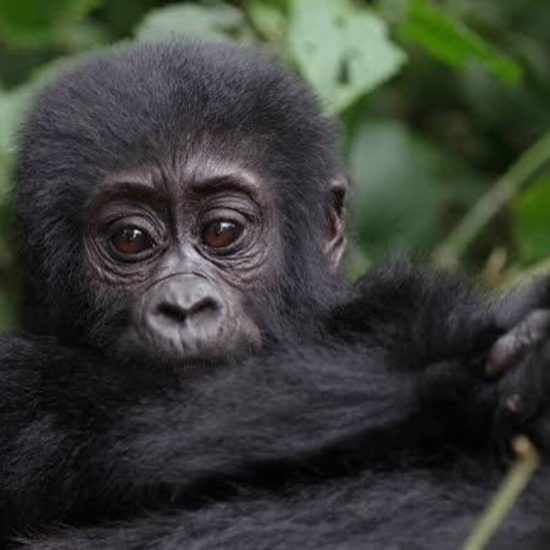
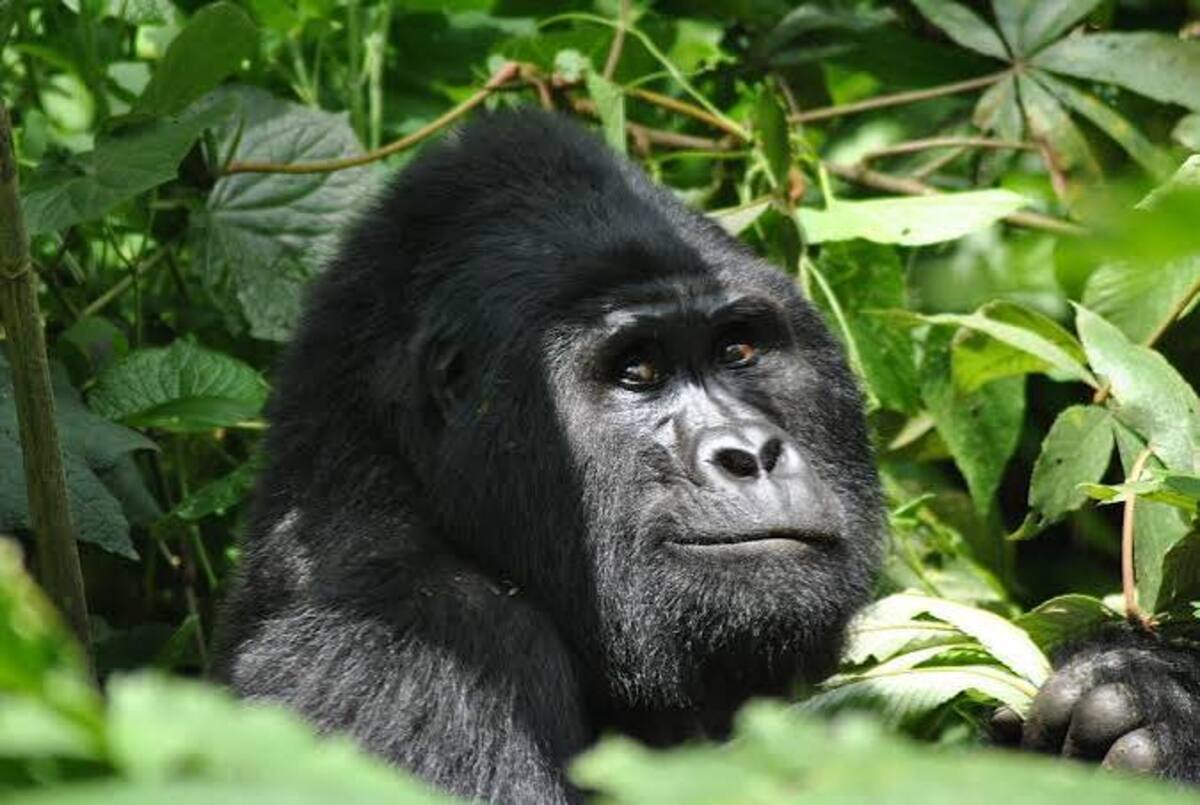
Gorilla trekking takes place in dense montane rainforest where endangered mountain gorillas live in protected habitats. The experience begins early in the morning at a park headquarters with a briefing from rangers, followed by allocation into trekking groups.
In Uganda, gorilla trekking is conducted in two protected areas:
- Bwindi Impenetrable National Park
- Mgahinga Gorilla National Park
After the briefing, visitors are guided into the forest by experienced rangers and trackers who already monitor the gorilla families. The trekking time is unpredictable. Some groups locate gorillas within an hour, while others may walk for several hours depending on where the animals moved overnight.
Once found, visitors spend a strictly limited one hour observing the gorillas at a safe distance (usually around 7 meters, though this can vary based on gorilla behaviour).
Is There an Age Limit for Gorilla Trekking?
The official rule set by the tourism authority, Uganda Wildlife Authority, requires trekkers to be at least 15 years old.
There is no upper age limit.
That means participation is based on fitness and mobility rather than age. Many travelers in their 70s and 80s have completed treks successfully, especially when using porters or assisted transport options like sedan chair.
What matters most is:
- Ability to walk on uneven terrain
- General cardiovascular health
- Comfort with several hours of slow hiking
- Willingness to accept unpredictable conditions
How Difficult Is Gorilla Trekking for Older Travelers?
There is no single answer because conditions change daily.
A trek might involve:
- A relatively flat forest walk lasting 1–2 hours
- Or a steep, muddy hike lasting 4–6 hours or more
The terrain can include:
- Thick forest vegetation
- Slippery mud, especially after rain
- Steep hillsides
- Dense undergrowth and tangled roots
Even short distances can feel more demanding than expected due to humidity and altitude.
However, rangers often try to match groups with gorilla families based on fitness levels where possible. This helps reduce unnecessary strain, especially for older visitors.
Can Seniors Request Easier Gorilla Treks?
Yes! and this is an important part of planning.
During the morning briefing, travelers can inform rangers about:
- Age
- Mobility concerns
- Existing medical conditions
- Fitness level
While assignments are never guaranteed (gorillas move freely), park teams generally try to allocate easier-access groups to those who may need them.
Working with a knowledgeable safari operator can also help ensure these preferences are communicated in advance.
The Sedan Chair Option: Assisted Gorilla Trekking
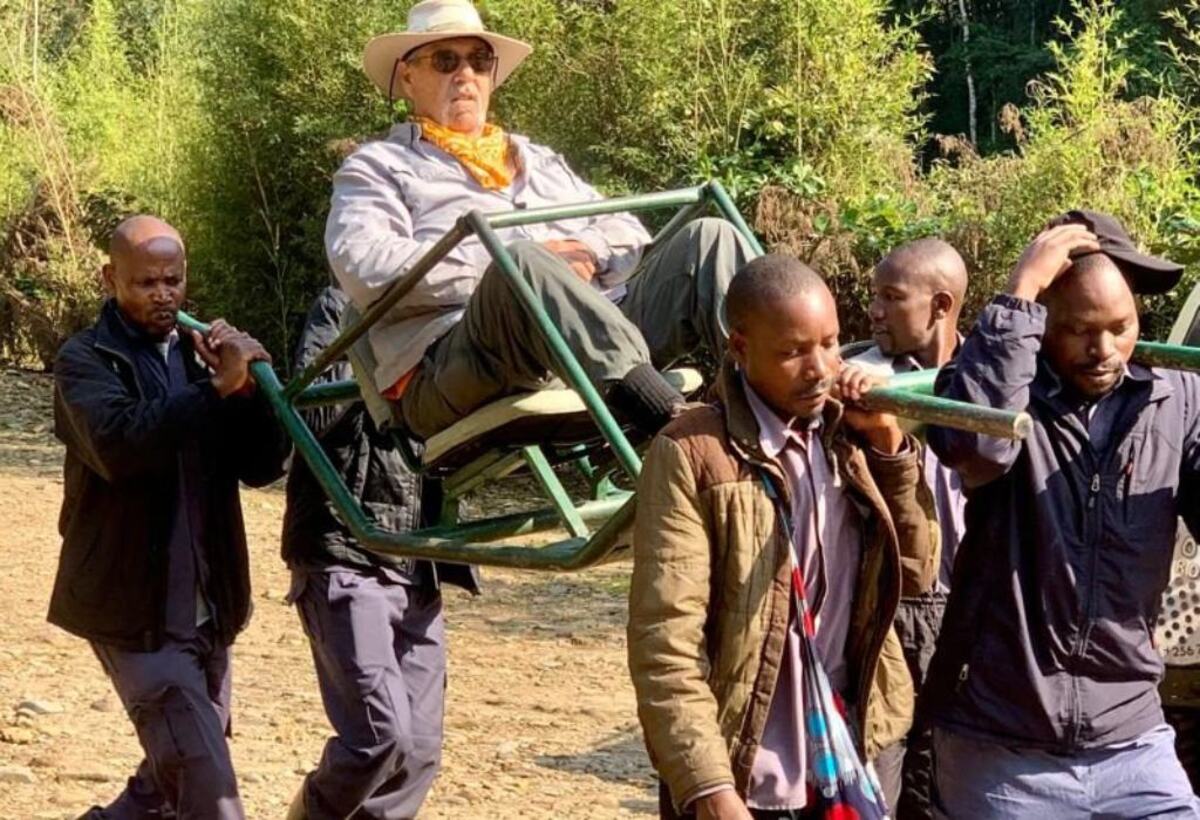
One of the most practical solutions for seniors with limited mobility is the use of a sedan chair, sometimes locally referred to as an “African helicopter.”
This is a specially designed seat carried by a team of trained porters through the forest.
Who it is suitable for:
- Travelers with reduced mobility
- Seniors who cannot manage steep terrain
- Guests recovering from injury or surgery
- Anyone unable to walk long distances safely
Cost:
Typically around $300, paid directly to the porter team.
This service has made gorilla trekking possible for many travellers who would otherwise not consider it.
Why Hiring a Porter Makes a Big Difference
Even physically fit seniors benefit from hiring a porter.
Porters assist with:
- Carrying daypacks
- Supporting balance on steep sections
- Helping navigate muddy trails
- Offering stability on uneven ground
The cost is modest compared to the overall trip, and it significantly reduces fatigue.
Importantly, porter fees also contribute directly to local livelihoods around the parks, supporting communities near the trekking areas.
Fitness Expectations for Seniors
You do not need to be highly athletic to trek gorillas, but a reasonable base level of fitness helps.
A helpful benchmark is whether you can:
- Walk 3–5 kilometers comfortably
- Handle gentle hills without distress
- Stand or move slowly for extended periods
- Navigate uneven natural terrain
If this feels manageable in everyday life, gorilla trekking is likely within reach.
How to Prepare Before Your Trip
Preparation plays a major role in comfort and enjoyment.
Build walking endurance
Start regular walks several months before travel. Gradually increase distance and elevation.
Train on hills if possible
Even short uphill walks help prepare leg strength for forest terrain.
Improve balance and stability
Simple exercises like stretching, yoga, or light strength training reduce risk of slips.
Practice walking in similar footwear
Break in hiking boots before arrival to avoid discomfort during the trek.
Health and Safety Considerations
Before booking, seniors should consult a doctor if they have:
- Heart or respiratory conditions
- Recent surgeries
- Severe joint or mobility issues
- Chronic fatigue or balance concerns
Gorilla trekking takes place at altitudes between roughly 1,200 and 2,600 meters. Most travelers adjust well, though mild breathlessness is common.
Staying hydrated and pacing yourself are usually enough to manage altitude-related discomfort.
What Seniors Should Wear for Gorilla Trekking
Clothing choice has a direct impact on comfort.
Recommended items:
- Long-sleeved hiking shirt
- Durable long trousers
- Waterproof hiking boots with grip
- Lightweight rain jacket
- Hiking socks (thick and breathable)
- Gloves for vegetation protection
- Hat for sun and rain
Avoid shorts and open footwear. The forest is wet, dense, and often muddy.
Best Time for Seniors to Visit Uganda
Gorilla trekking is possible year-round, but conditions vary.
Many older travelers prefer the drier months:
- June to August
- December to February
These periods generally offer:
- Firmer hiking trails
- Reduced rainfall
- More predictable walking conditions
However, even in dry seasons, rainforest showers can occur at any time.
Accommodation Considerations for Older Travelers
Choosing the right lodge can significantly affect comfort levels before and after trekking.
Seniors should prioritize:
- Proximity to park headquarters
- Hot showers and reliable facilities
- Comfortable beds and good rest conditions
- Accessible room layouts where possible
Lodges closer to trekking start points reduce early morning transfer times, which can be tiring.
Cultural Encounters Around the Trek
Many itineraries include visits to local communities, including the indigenous Batwa people.
These experiences offer insight into traditional forest life and the cultural history of the region. They are optional but often appreciated as a meaningful extension of the journey.
Common Concerns from Senior Travelers
“Am I too old?”
No. Fitness matters more than age. Many travelers in their 70s and 80s complete treks successfully.
“What if I can’t finish the trek?”
Sedan chairs and porter support can help many travelers complete the experience or return safely if needed.
“Will I slow down the group?”
Groups are guided at flexible paces, and rangers are experienced in managing mixed abilities.
“What happens if it rains?”
Rain is common. Proper waterproof gear makes trekking manageable even in wet conditions.
FAQs
How fit do I need to be?
Moderate fitness is enough. If you can walk for a few hours with breaks, you are likely capable.
Will I definitely see gorillas?
Sightings are highly likely because trackers monitor groups daily, but wildlife is never 100% predictable.
Can seniors hire porters?
Yes, and it is strongly recommended for comfort and safety.
Can seniors use sedan chairs?
Yes, with advance arrangement and availability of porters.
What if it rains during the trek?
Treks continue in most weather conditions unless conditions become unsafe.
Can I take photos of gorillas?
Yes, but flash photography is not allowed.
Are toilets available during the trek?
Facilities are available at the starting point, but not inside the forest.
How much should I tip?
Tipping is optional but appreciated; many travellers tip porters, guides, and trackers based on service quality.
Final Thoughts
Gorilla trekking in Uganda is not defined by age, it is defined by preparation, pacing, and support.
Older travelers consistently prove that this experience is still within reach, whether they choose to walk the trails themselves or rely on assisted options like porters and sedan chairs.
What remains consistent across all experiences is not the difficulty of the trek, but the emotional impact of encountering mountain gorillas in their natural habitat. The moment stays with travelers long after they leave the forest.
For seniors considering this journey, the real question is not whether it is possible but how best to plan it for comfort, safety, and enjoyment.
If you would like tailored advice on planning a senior-friendly gorilla trekking safari in Uganda, Naseeb Safaris can help design an itinerary that matches your pace, comfort level, and travel goals.