Is Uganda or Rwanda better for Gorilla Trekking Experience?
Is Uganda or Rwanda better for Gorilla Trekking Experience?, Choosing between Uganda and Rwanda is one of the biggest decisions travellers make when planning a mountain gorilla trekking safari. Both countries protect one of the world’s rarest primates, both offer well-managed trekking experiences, and both play an essential role in mountain gorilla conservation. Yet the experience on the ground can feel surprisingly different.
For some visitors, the deciding factor is budget. Others prioritise shorter travel times, luxury accommodation, or the chance to combine gorilla trekking with a broader wildlife safari. There is no universal “best” destination, only the one that matches your travel style, expectations, and available time.
This guide compares Uganda and Rwanda across the factors that matter most, including permit prices, trekking conditions, accessibility, accommodation, photography, conservation, and overall value. Whether you are planning your first safari or returning to East Africa, you will find practical advice to help you choose with confidence.
Why Compare Uganda and Rwanda for Gorilla Trekking?
Mountain gorillas are found in only three countries: Uganda, Rwanda, and the eastern Democratic Republic of Congo. Most international visitors choose either Uganda or Rwanda because both countries have established tourism infrastructure, experienced guides, and long-standing conservation programs.
Although the gorillas themselves do not recognize international borders, your overall journey can be very different depending on where you trek.
Some of the biggest differences include:
- Gorilla permit prices
- Travel time from the international airport
- Trekking terrain
- Accommodation styles
- Safari opportunities beyond gorillas
- Overall trip cost
Understanding these differences before booking helps avoid surprises and ensures your itinerary matches your expectations.
What Is Gorilla Trekking Like?
For many first-time visitors, one common misconception is that gorilla trekking is simply a walk through the forest. In reality, each trek is an active wildlife experience that changes every single day.
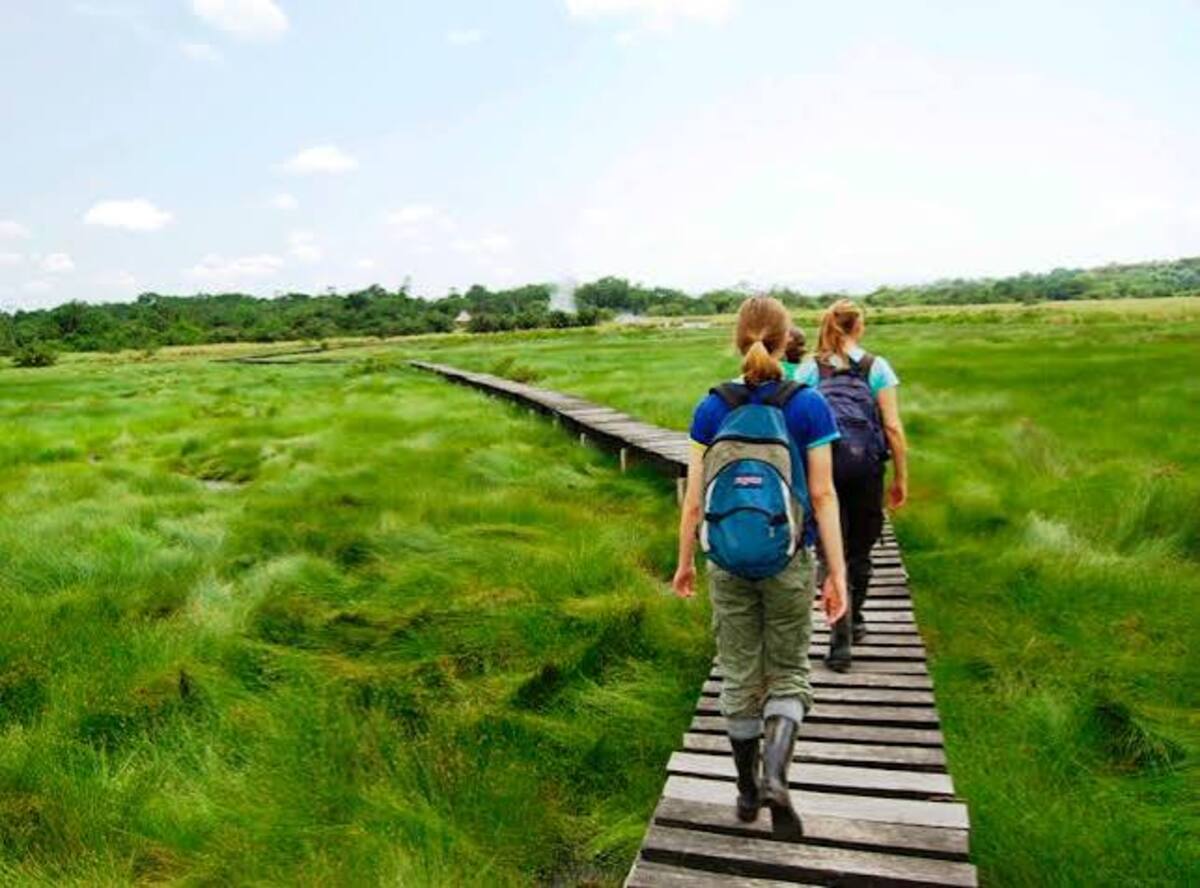
Mountain gorillas roam freely through protected forests. Before visitors arrive, teams of trackers locate each habituated gorilla family and relay their position to the park rangers. Small groups, usually no more than eight people are then assigned to a specific family and begin their hike.
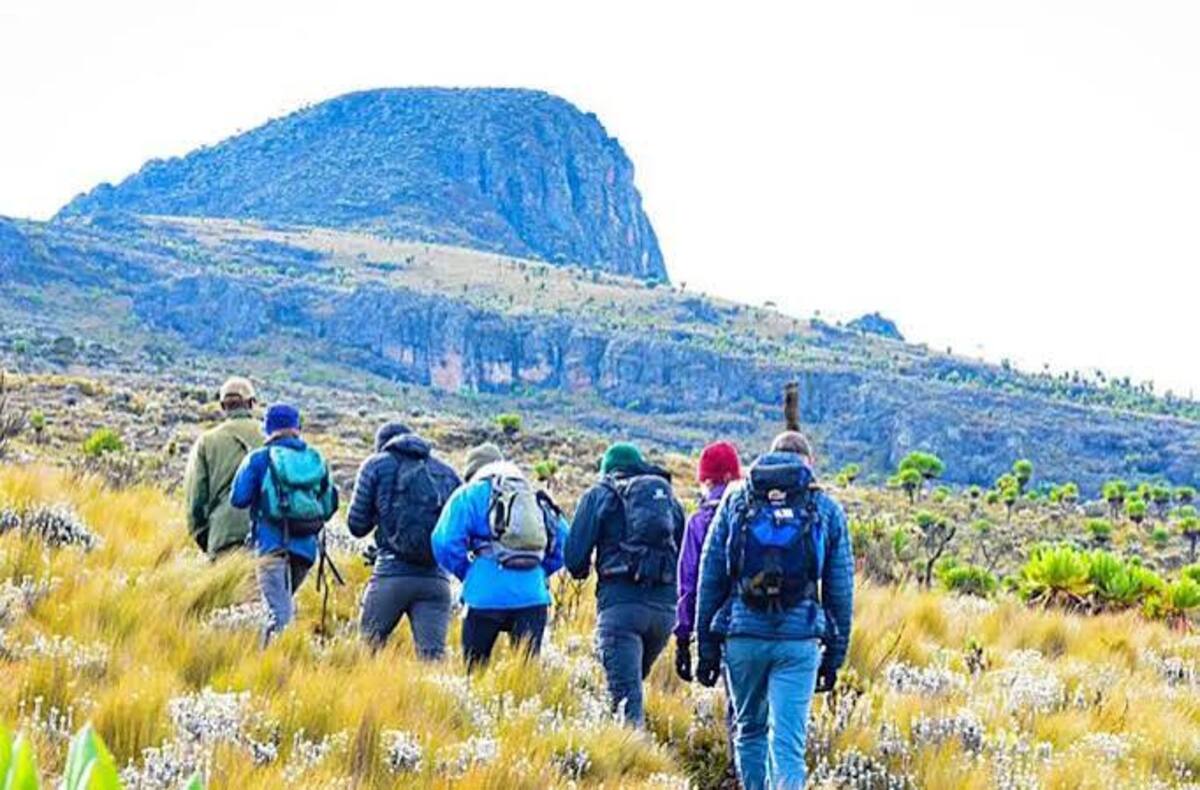
The distance varies considerably. Some gorilla groups remain close to the trailhead, while others move deep into the forest or higher up the slopes. A trek might last less than an hour or continue for much of the day.
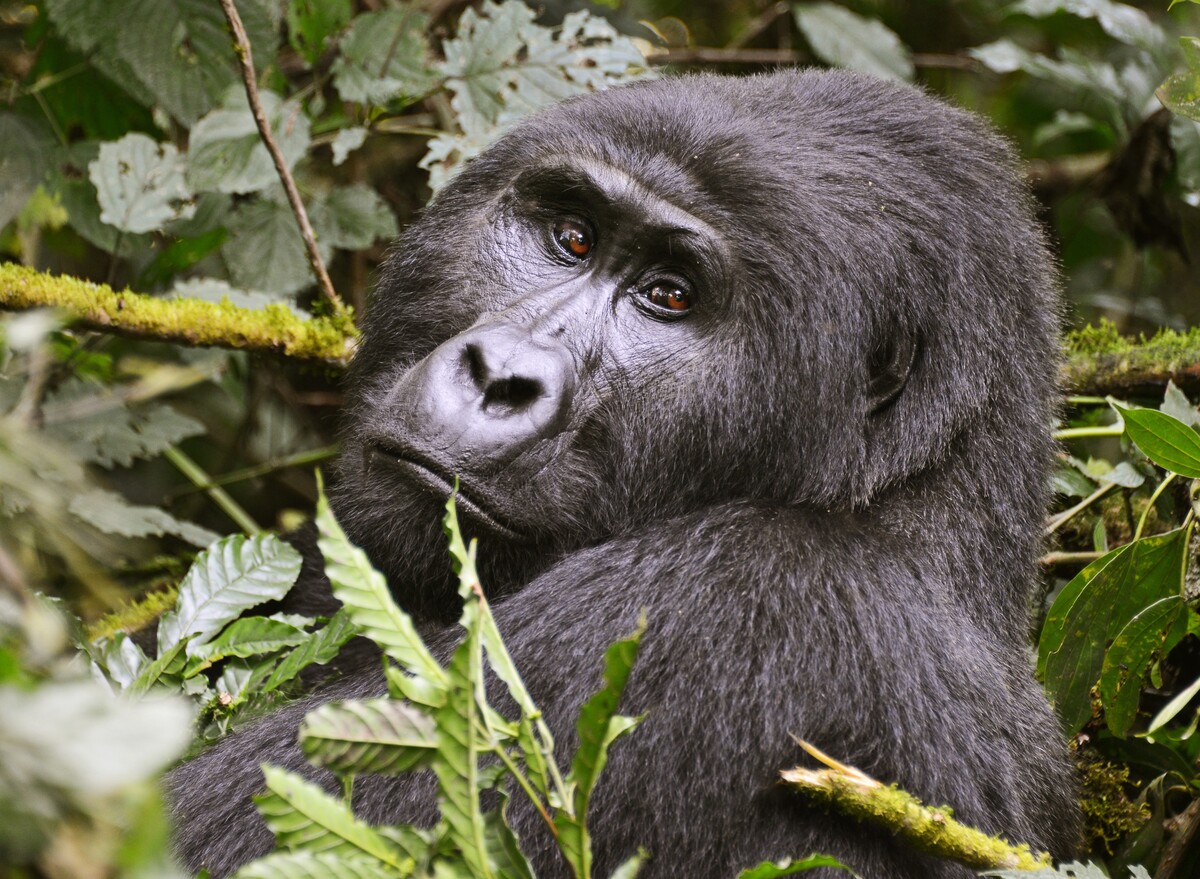
Once the gorillas are found, visitors spend up to one hour quietly observing them.
During that hour, you may watch:
- Young gorillas climbing trees and playing together
- Mothers nursing or carrying infants
- Juveniles wrestling with one another
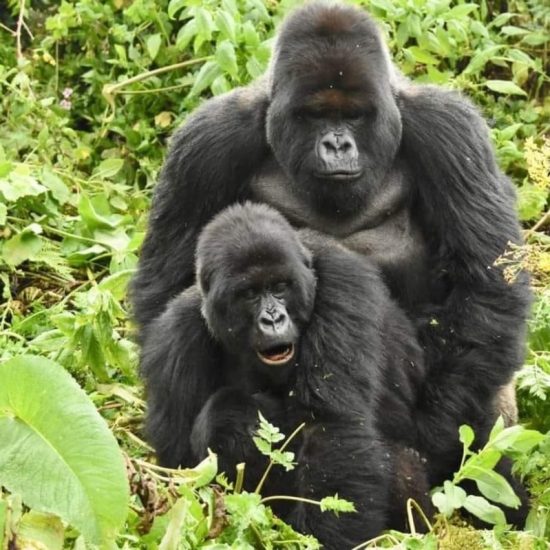
- Silverbacks watching over the family
- Daily feeding and grooming behavior
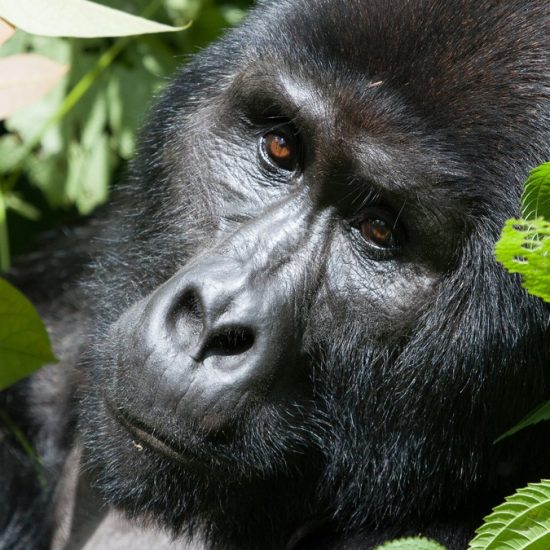
Every encounter is different because the gorillas decide where they move and how they spend their day.
Uganda Gorilla Trekking at a Glance
Uganda protects almost half of the world’s remaining mountain gorillas, making it one of the most important destinations for primate conservation.
Trekking takes place in two national parks:
Bwindi Impenetrable National Park
Most visitors trek in Bwindi, a UNESCO World Heritage Site known for its ancient rainforest, steep hills, and exceptional biodiversity.
The park is divided into several trekking sectors, each with its own habituated gorilla families and nearby accommodation. This allows visitors to choose lodges that suit different budgets while spreading tourism across the forest.
Mgahinga Gorilla National Park
Although much smaller, Mgahinga offers a quieter trekking experience with one habituated gorilla family currently available for tourism.
The surrounding volcanic scenery creates a very different atmosphere from Bwindi’s dense rainforest, and some travelers appreciate the smaller number of visitors.
Why Many Travellers Choose Uganda
Uganda appeals to visitors looking for a broader safari experience rather than a single wildlife activity.
Reasons travellers often choose Uganda include:
- Lower gorilla permit prices
- The largest number of habituated gorilla families
- Flexible trekking sectors
- Opportunities to combine gorilla trekking with chimpanzee tracking and classic game safaris
- Accommodation ranging from simple guesthouses to luxury forest lodges
For travellers spending one to two weeks in East Africa, Uganda often provides the greatest variety without dramatically increasing the overall budget.
Rwanda Gorilla Trekking at a Glance
In Rwanda, all gorilla trekking takes place within Volcanoes National Park, part of the Virunga mountain range that stretches across Rwanda, Uganda, and the Democratic Republic of Congo.
The country’s tourism strategy has focused on low-volume, high-value travel. As a result, visitors generally find excellent roads, efficient services, and a strong selection of luxury accommodation.
One of Rwanda’s biggest advantages is convenience. Travellers can usually drive from Kigali International Airport to Volcanoes National Park in around three hours, making it possible to complete a gorilla trekking trip over a long weekend.
Why Travellers Choose Rwanda
Rwanda is particularly attractive for visitors who want to minimize travel time without compromising the quality of the gorilla experience.
Many travellers choose Rwanda because of:
- Short road transfers from Kigali
- Luxury safari lodges
- Excellent road infrastructure
- organised tourism services
- Easier logistics for shorter itineraries
While Rwanda generally costs more than Uganda, some travelers find the convenience worth the additional expense, particularly if they have limited vacation time.
Gorilla Permit Costs: Uganda vs Rwanda
Permit prices are often the biggest factor when comparing the two destinations.
As of 2026, the standard permit prices are:
Uganda Gorilla Permit
- Foreign Non-Residents: USD 800
- Foreign Residents: USD 700
- East African Citizens: UGX 300,000
Rwanda Gorilla Permit
- International visitors: USD 1,500
Although permit prices can change, Rwanda’s permits have consistently been significantly more expensive than Uganda’s.
For a couple, the difference is already substantial. For families or small groups, the savings in Uganda can easily cover several extra safari days, domestic flights, upgraded accommodation, or additional activities such as chimpanzee tracking.
Which Offers Better Value?
If your primary goal is spending time with mountain gorillas while keeping your overall safari budget manageable, Uganda offers considerably better value.
If convenience, shorter transfers, and luxury travel are your highest priorities, Rwanda may still justify its higher permit price.
Accessibility and Getting There
The time required to reach the trekking starting point can significantly affect your itinerary.
Getting to Gorilla Trekking in Rwanda
Most international visitors arrive through Kigali International Airport.
From there, Volcanoes National Park is approximately three to four hours away by road, depending on traffic and weather conditions.
Because of this short transfer, many travellers complete gorilla trekking within a three- or four-day itinerary.
This makes Rwanda particularly appealing for:
- Business travellers adding a wildlife extension
- Visitors combining gorilla trekking with another African destination
- Travellers with limited annual leave
Getting to Gorilla Trekking in Uganda
Uganda requires more planning but offers additional opportunities to experience the country along the way.
By Road
Most visitors travel from Entebbe or Kampala to Bwindi.
The journey usually takes between 8 and 9 hours, depending on the trekking sector, traffic, and road conditions.
Many itineraries break up the drive with overnight stops at destinations such as Lake Mburo National Park.
By Domestic Flight
Scheduled domestic flights connect Entebbe with airstrips near Bwindi, including Kihihi and Kisoro.
Flying reduces travel time considerably but increases the overall cost of the trip. Flights may also be affected by weather, and baggage allowances are usually limited, so packing light is important.
Which Is Easier?
For pure convenience, Rwanda has a clear advantage.
For travellers planning a longer safari that includes wildlife parks, chimpanzee tracking, or cultural experiences, Uganda’s longer journey often becomes part of a much broader adventure rather than simply a transfer.
Comparing the Trekking Experience
Although the goal is the same in both countries, the hiking experience can feel quite different.
Gorilla Trekking in Uganda
Bwindi’s name offers a clue to what visitors should expect.
The forest is dense, humid, and sometimes steep. Thick vegetation often requires guides to clear sections of the trail with machetes, especially during the rainy seasons.
Treks can last anywhere from under an hour to six hours or more, depending on where your assigned gorilla family has moved.
For many visitors, this sense of unpredictability is part of the experience. The forest feels wild, and reaching the gorillas often feels like a genuine expedition.
Expect:
- Steep slopes in some sectors
- Uneven forest trails
- Dense vegetation
- Variable trekking times
- A strong sense of wilderness
Gorilla Trekking in Rwanda
Volcanoes National Park offers a different setting.
Much of the lower slopes are covered with bamboo forest rather than dense rainforest, creating better visibility in many areas. Trails are often easier to navigate, although some gorilla families still require challenging hikes into higher elevations.
Because of the terrain, many visitors find Rwanda’s treks slightly less demanding on average, though there are no guarantees. The gorillas move wherever they choose, and some treks can still be physically demanding.
Expect:
- More open vegetation in many areas
- Generally easier walking conditions
- Better visibility for photography
- Variable hiking distances depending on the gorilla family
Which Trek Is Better?
There is no objective winner.
Choose Uganda if you enjoy immersive rainforest hiking, don’t mind longer walks, and want the feeling of exploring a remote forest.
Choose Rwanda if you prefer easier logistics, shorter transfers, and potentially less demanding hikes.
One important point to remember is that neither country can guarantee an easy trek. Gorilla movements change daily, and every group’s experience is slightly different.
Gorilla Population and Permit Availability
Seeing mountain gorillas is never guaranteed because they are wild animals, but both Uganda and Rwanda have exceptionally high trekking success rates. Trackers track habituated families every morning before visitors set out, making sightings highly likely on scheduled treks.
The main difference lies in the number of habituated groups available for tourism.
Uganda
Uganda has the largest number of habituated mountain gorilla families, most of them living in Bwindi Impenetrable National Park. The park is divided into several trekking sectors,Buhoma, Ruhija, Rushaga and Nkuringo giving travelers more flexibility when choosing travel dates, accommodation, and hiking difficulty.
Because permits are spread across multiple sectors, availability is generally better, especially for those planning several months ahead.
Rwanda
Volcanoes National Park has fewer habituated families available for tourism. Demand is consistently high, particularly during the dry seasons, so permits often sell out well in advance.
If your travel dates are fixed, it is wise to secure permits as early as possible regardless of which country you choose.
Which Destination Offers Better Availability?
For travellers booking close to their departure date, Uganda often provides more flexibility thanks to its larger number of trekking permits.
Scenery and Overall Atmosphere
Although both destinations protect mountain gorillas, the landscapes create two distinctly different safari experiences.
Uganda: Ancient Rainforest
Bwindi is one of Africa’s oldest forests, with towering trees, thick undergrowth, hanging vines, and a remarkable diversity of plant life.
As you move deeper into the forest, the atmosphere changes. Bird calls echo through the canopy, butterflies drift across the trail, and the sounds of insects and rustling leaves replace the noise of everyday life.
Visibility can be limited by vegetation, but that density is part of what gives the forest its character.
Rwanda: Volcanic Landscapes
Volcanoes National Park sits on the slopes of the Virunga Mountains, where bamboo forests gradually give way to alpine vegetation and dramatic volcanic peaks.
The landscape feels more open, offering wider views and, in many places, cleaner backgrounds for photography.
Which Is More Beautiful?
The answer depends entirely on personal preference.
Choose Uganda if you enjoy dense rainforest, rich biodiversity, and the feeling of exploring an ancient forest.
Choose Rwanda if you prefer expansive mountain scenery and open landscapes.
Wildlife Beyond the Gorillas
For many visitors, gorilla trekking is only one part of a larger East African adventure.
Uganda: A Broader Safari Circuit
Uganda offers one of Africa’s most diverse combinations of wildlife experiences within a single itinerary.
Depending on how much time you have, you can combine gorilla trekking with:
- Chimpanzee tracking in Kibale Forest
- Game drives in Queen Elizabeth National Park, Murchison falls and Kidepo valley
- Boat safaris on the Kazinga Channel
- Tree-climbing lions in the Ishasha sector
- Rhinos at Ziwa Rhino Sanctuary
- Birdwatching in wetlands, forests, and savannahs
- Walking safaris and cultural visits
Many travellers spend 8–14 days exploring several regions rather than focusing on one destination.
Rwanda: Quality Over Quantity
Rwanda also offers rewarding wildlife experiences beyond gorillas.
Visitors can include:
- Big Five safaris in Akagera National Park
- Chimpanzee tracking and canopy walks in Nyungwe National Park
- Cultural attractions in Kigali
While these experiences are excellent, the country’s safari circuit is smaller and often more expensive than Uganda’s.
Which Is Better for a Longer Safari?
If gorilla trekking is part of a wider wildlife holiday, Uganda offers greater variety and generally better overall value.
Accommodation: Budget, Mid-Range, and Luxury
Accommodation can have a significant impact on both comfort and overall trip cost.
Staying in Uganda
Lodges are available near every trekking sector, ranging from simple guesthouses to luxury forest retreats.
Travellers can choose accommodation that matches their budget without compromising the trekking experience.
Typical options include:
- Budget lodges like Nshongi camp for independent travellers
- Comfortable mid-range safari lodges like mutanda lake resort
- Luxury properties like silverback lodge with forest views, private cottages, and personalised service
One important consideration is location. Staying close to your assigned trekking sector reduces early morning transfer times.
Staying in Rwanda
Rwanda has built a reputation as a luxury safari destination.
Many lodges emphasize:
- High-end dining
- Wellness facilities
- Spacious suites
- Exceptional service
- Exclusive guest experiences
Luxury comes with a higher price tag, and accommodation often represents a larger share of the total trip budget than it does in Uganda.
Which Offers Better Value?
Uganda provides the widest choice across all budgets.
Rwanda is especially appealing for travellers seeking an upscale experience where comfort is a priority from arrival to departure.
Photography: Which Destination Is Better?
Many travellers dream of returning home with memorable images of mountain gorillas, but photographing them can be challenging.
The forests are often shaded, the gorillas rarely stay still for long, and flash photography is not permitted.
Photography in Uganda
Dense vegetation creates a wonderfully authentic forest setting, but it can also mean lower light levels and more branches or leaves between you and the gorillas.
Photographers should be prepared to increase ISO settings and use fast shutter speeds whenever possible.
Photography in Rwanda
The more open bamboo forests frequently allow additional natural light to reach the ground.
This can make it easier to capture clean compositions, particularly when photographing larger groups.
Photography Tips for Either Destination
- Bring a camera that performs well in low light.
- A zoom lens in the 70–200 mm range is useful for flexibility.
- Keep movements slow and quiet.
- Avoid relying on flash.
- Pack waterproof protection for cameras during the rainy seasons.
How Your Visit Supports Conservation
Every gorilla permit contributes directly to conservation and community development.
Tourism revenue helps fund:
- Ranger patrols
- Veterinary care for mountain gorillas
- Habitat protection
- Anti-poaching operations
- Community projects that encourage local support for conservation
Responsible tourism has played an important role in the recovery of mountain gorilla populations over recent decades.
Visitors also contribute by following park regulations, maintaining the required distance from gorillas, and respecting the instructions of their guides throughout the trek.
Cultural Experiences
Adding a cultural activity can provide valuable insight into the communities living alongside these protected forests.
In Uganda
Popular experiences include:
- Batwa community visits
- Traditional dance performances
- Village walks
- Local craft workshops
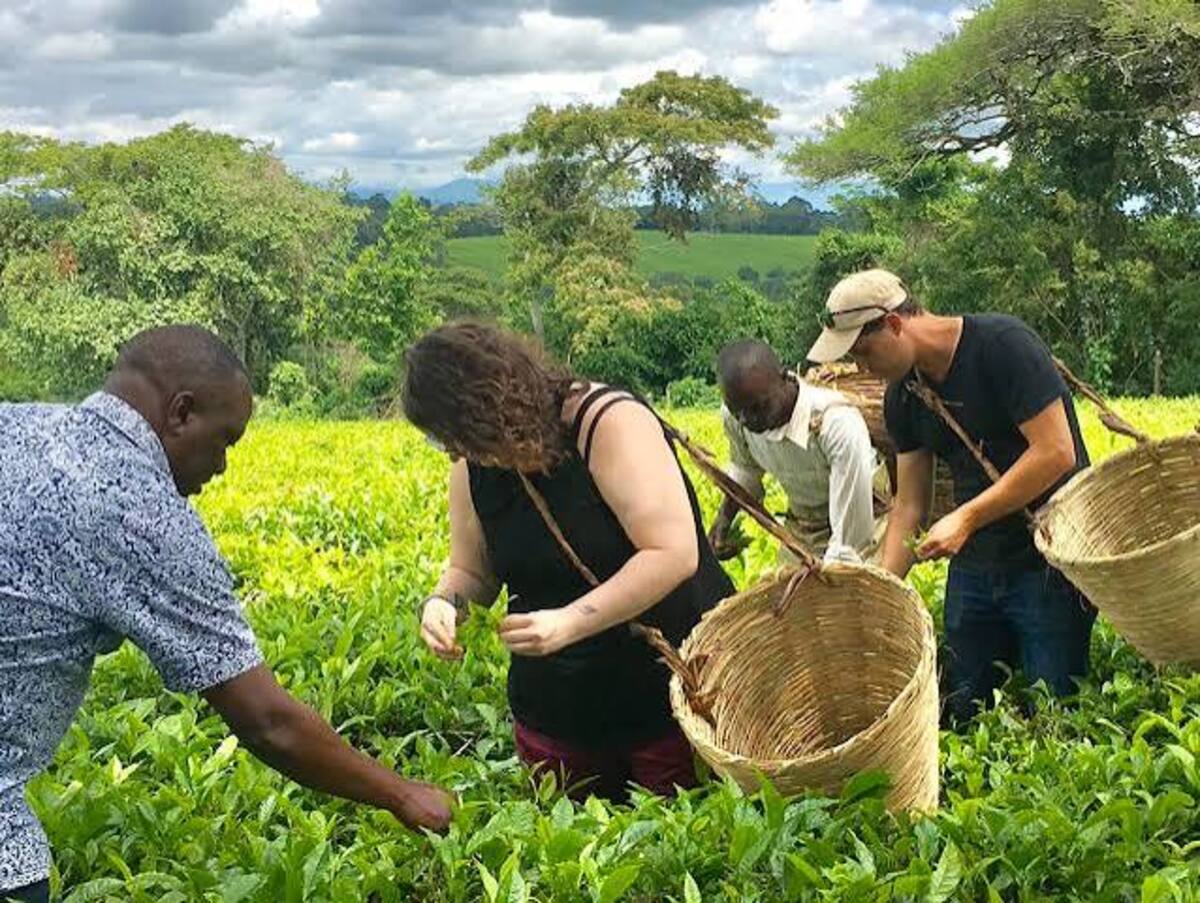
- Coffee and banana farming experiences
These activities offer opportunities to learn about local traditions while supporting community-based tourism initiatives.
In Rwanda
Visitors often combine gorilla trekking with:
- The Kigali Genocide Memorial
- Cultural performances
- Traditional village experiences
- Local art and craft centres
Many travellers find that combining wildlife with cultural experiences creates a deeper understanding of the region.
Best Time to Go Gorilla Trekking
Mountain gorillas can be visited throughout the year.
The choice of season is more about hiking conditions than wildlife sightings.
Dry Seasons
- June to September
- December to February
These months usually bring firmer trails and are the most popular times to travel.
Rainy Seasons
- March to May
- October to November
Rain makes trails muddier and more demanding, but there are advantages:
- Fewer visitors
- Lush green scenery
- Softer light for photography
- Better lodge availability in many cases
Rain is possible at any time of year, so waterproof clothing should always be included in your packing list.
Safety and Responsible Travel
Both Uganda and Rwanda have established gorilla tourism systems with experienced ranger teams and clear visitor regulations.
Treks are conducted in small groups, accompanied by armed park rangers where appropriate, and follow strict health and safety protocols designed to protect both visitors and gorillas.
Before booking, it is advisable to:
- Reserve permits through a licensed tour operator.
- Purchase comprehensive travel insurance that covers trekking activities.
- Check the latest government travel advice for your country before departure.
First-time visitors should also remember that anyone showing symptoms of a contagious illness may not be permitted to trek, as mountain gorillas are highly susceptible to many human diseases.
Trip Cost Comparison: What Should You Budget?
The gorilla permit is the single largest fixed cost of any trekking itinerary, but it is only one part of your overall budget. Accommodation, transport, meals, and the length of your safari all influence the final price.
A Typical 3-Day Uganda Gorilla Trek
While prices vary by season and lodge category, a three-day trip generally includes:
- Gorilla permit
- Road transfer or domestic flight
- Two nights’ accommodation
- Meals as specified in your itinerary
- Park entry fees
- Professional driver-guide
Uganda is often the more economical option because the lower permit cost leaves more room in the budget for upgraded accommodation or additional wildlife experiences.
A Typical 3-Day Rwanda Gorilla Trek
A similar itinerary in Rwanda usually includes:
- Gorilla permit
- Road transfers from Kigali
- Accommodation near Volcanoes National Park
- Meals included by the lodge
- Driver-guide services
Although transport costs are generally lower due to the shorter distance from Kigali, the higher permit price and premium accommodation often make Rwanda the more expensive overall destination.
Which Destination Is Right for You?
There is no universal winner. The better choice depends on how you like to travel.
Choose Uganda If You:
- Want the best overall value for money
- Plan to combine gorilla trekking with a longer safari
- Enjoy rainforest hiking and more adventurous terrain
- Prefer a wider choice of budget, mid-range, and luxury accommodation
- Have at least a week to explore southwestern Uganda
Choose Rwanda If You:
- Have limited time in East Africa
- Prefer shorter road transfers
- Are planning a luxury-focused safari
- Want to base your trip around Kigali
- Value convenience over overall cost savings
Common Mistakes First-Time Gorilla Trekkers Make
A little preparation goes a long way. These are some of the most common oversights.
Waiting Too Long to Book
Permits are limited each day, particularly during the dry seasons. If you’re travelling between June and September or December and February, booking several months in advance is recommended.
Underestimating the Hike
Even shorter treks involve uneven ground, muddy paths, and changes in elevation. Comfortable hiking boots and a reasonable level of fitness make the day much more enjoyable.
Not Hiring a Porter
Many first-time visitors assume porters are only for experienced hikers or older travelers. In reality, hiring a porter supports local livelihoods and makes the trek easier by carrying your daypack and offering a helping hand on steep sections.
Packing Too Little or Too Much
Essentials include waterproof clothing, long trousers, gardening-style gloves for gripping vegetation, insect repellent, sunscreen, drinking water, and a small daypack. Heavy luggage is unnecessary, especially if you’re taking a domestic flight with strict baggage limits.
Responsible Gorilla Trekking
Mountain gorillas remain endangered, and responsible tourism plays an important role in their long-term survival.
Visitors can help by:
- Following all instructions from park rangers.
- Keeping the required distance from the gorillas.
- Speaking quietly during the viewing period.
- Never feeding or attempting to touch wildlife.
- Staying home if unwell, as gorillas are vulnerable to human illnesses.
Choosing experienced, licensed operators also helps ensure your visit supports conservation and local communities.
Frequently Asked Questions
How fit do I need to be?
You do not need to be an athlete, but you should be comfortable walking on uneven terrain for several hours. Trek lengths vary daily depending on the gorillas’ movements.
Will I definitely see gorillas?
No wildlife sighting can be guaranteed. However, thanks to experienced trackers who locate habituated families before visitors begin their trek, sightings are highly successful.
Can I hire a porter?
Yes. Porters are available at the park headquarters and are highly recommended. Their assistance is valuable on steep or slippery trails, and hiring one provides direct income to local communities.
Can older travellers take part?
Many older visitors successfully complete gorilla treks each year. If mobility is a concern, discuss it with your tour operator before booking, as some gorilla families are generally easier to reach than others.
What happens if it rains?
Treks continue in light or moderate rain. Waterproof clothing, gaiters, and dry bags for cameras and electronics are useful throughout the year.
Can I wear shorts?
Long trousers are recommended. They offer better protection against stinging plants, insects, and scratches from vegetation.
Are there luggage restrictions on domestic flights?
Yes. Domestic flights within Uganda typically have lower baggage allowances than international airlines. Soft-sided bags are usually preferred. Check the current allowance with your airline before packing.
How much should I tip?
Tipping is appreciated but discretionary. Many visitors choose to tip guides, drivers, and porters if they are happy with the service. Your tour operator can provide current local guidance.
Can I take photographs?
Yes. Photography is encouraged, but flash photography is not permitted. A camera that performs well in low-light conditions is especially useful in forest environments.
Are there toilets at the starting point?
Yes. Park headquarters provide basic restroom facilities before the trek begins. There are generally no permanent facilities once you are inside the forest.
Final Thoughts
Whether you trek through the ancient rainforest of Uganda or the volcanic slopes of Rwanda, the heart of the experience remains the same: spending a quiet hour with one of the world’s closest living relatives in its natural habitat.
The journey to reach them may differ, as will the scenery, travel logistics, and overall cost, but both countries have shown how carefully managed tourism can support conservation while giving visitors a rare opportunity to observe mountain gorillas responsibly.
For many travellers, Uganda stands out for its excellent value, diverse wildlife, and opportunities to build a longer safari around the trek. Rwanda appeals to those seeking convenience, premium accommodation, and a shorter itinerary. Neither choice is wrong—the best destination is the one that fits your travel priorities.
If you’re still deciding, comparing sample itineraries and understanding what’s included can make the decision much easier.
Plan Your Gorilla Trek with Naseeb Safaris
Every traveler has different priorities, whether that’s finding the best value, choosing the right trekking sector, combining gorilla trekking with a Big Five safari, or selecting accommodation that matches your budget.
The team at Naseeb Safaris can help you compare options, explain permit availability, and design an itinerary tailored to your travel dates, interests, and pace, so you can plan your gorilla trekking adventure with confidence.