Travelling to Uganda For Budget Gorilla Trekking Safaris
Travelling to Uganda For A Budget Gorilla Trekking Safaris, For many travelers, seeing mountain gorillas in the wild sits at the top of their Africa bucket list. It’s also one of the experiences people often assume is beyond their budget.
That’s understandable. Gorilla trekking permits aren’t cheap, and when you start adding transport, accommodation, and park fees, the cost can seem intimidating at first glance. But “budget” doesn’t have to mean cutting corners or missing out on the experience. In Uganda, it usually means making smart choices about when you travel, where you stay, and how you plan your itinerary.
With thoughtful planning, it’s entirely possible to enjoy a well-organised gorilla trekking safari without spending the same amount you might in neighbouring destinations. You’ll still hike through ancient rainforest with experienced rangers, spend a precious hour observing a habituated gorilla family, and contribute directly to conservation efforts that help protect one of the world’s rarest primates.
This guide explains what budget gorilla trekking in Uganda really means, how much you should expect to spend, where to trek, and the practical decisions that can help you get the best value from your trip.
Why Uganda Offers the Best Value for Gorilla Trekking
Only three countries offer the chance to see mountain gorillas in the wild:
- Uganda
- Rwanda
- Democratic Republic of the Congo
Each destination offers an extraordinary wildlife experience, but they differ significantly in price, accessibility, and the type of safari you can build around your gorilla trek.
For travellers who want the best balance between cost, safety, and variety, Uganda is often the strongest option. The gorilla encounter itself is every bit as rewarding, yet the overall cost of travelling here is generally lower thanks to more affordable accommodation and a wider range of safari options.
More Affordable Gorilla Permits
Your gorilla permit will almost certainly be the biggest single expense.
Currently, a Uganda gorilla trekking permit costs USD 800 for foreign non-residents in peak seasons and USD 600 in two months of the year, May & November (low season). The permit allows you to:
- Join one guided gorilla trek.
- Spend up to one hour with a habituated gorilla family once they’re located.
- Enter the national park.
- Trek with professional ranger guides.
- Support ongoing conservation and community programmes.
While permit prices can change, Uganda has consistently remained a more affordable choice than Rwanda for international visitors.
One important tip: book your permit as early as possible, especially if you’re planning to travel during the dry seasons. Popular trekking sectors can fill several months in advance.
Accommodation for Every Budget
One reason many travellers spend less in Uganda is the range of accommodation available.
Whether you’re travelling as a backpacker, a couple, or a family, you’ll find options that suit different budgets without being far from the trekking starting points.
Budget accommodation typically offers:
- Comfortable private or shared rooms
- Hot showers
- Home-cooked meals
- Easy access to the park headquarters
- Friendly staff who are familiar with trekking schedules
Many smaller lodges are locally owned, which means your stay also helps support communities living alongside the protected forests.
If you’re travelling on a tighter budget, staying in a simple guesthouse like ride for a woman often makes more sense than paying for luxury accommodation like silverback lodge you will only use for a night’s sleep before an early morning trek.
A Gorilla Trek Can Be Part of a Bigger Safari
Another advantage of choosing Uganda is that gorilla trekking doesn’t have to be your only wildlife experience.
Many travellers combine it with:
- Chimpanzee tracking in Kibale Forest
- Game drives in Queen Elizabeth National Park, Murchison falls National park
- A boat safari on the Kazinga Channel
- Cultural visits with local communities
- Birdwatching in some of East Africa’s richest habitats
Instead of flying in for a single activity and leaving again, you can build a varied safari that includes forests, savannahs, lakes, and mountains.
Where Can You Go Gorilla Trekking in Uganda?
Uganda has two national parks where visitors can trek mountain gorillas.
Although both protect the same species, they offer slightly different experiences, so it’s worth understanding the differences before booking.
Bwindi Impenetrable National Park
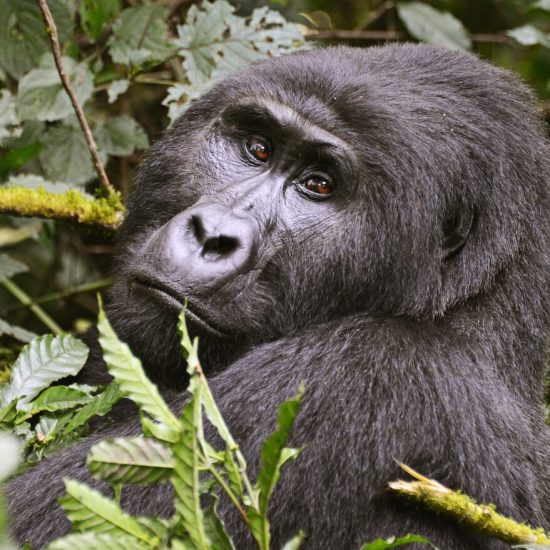
Bwindi Impenetrable National Park is the country’s best-known gorilla trekking destination and a UNESCO World Heritage Site.
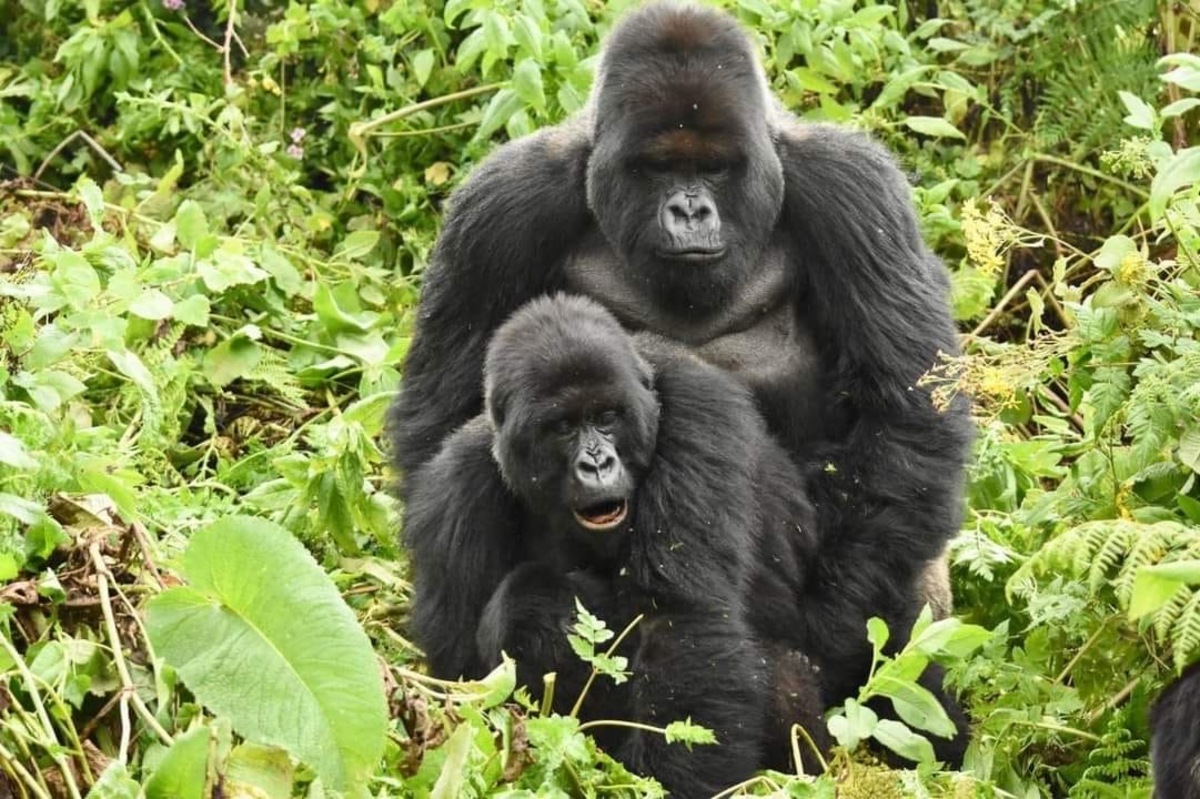
Almost half of the world’s remaining mountain gorillas live within this ancient rainforest, making it one of the most important conservation areas in Africa.
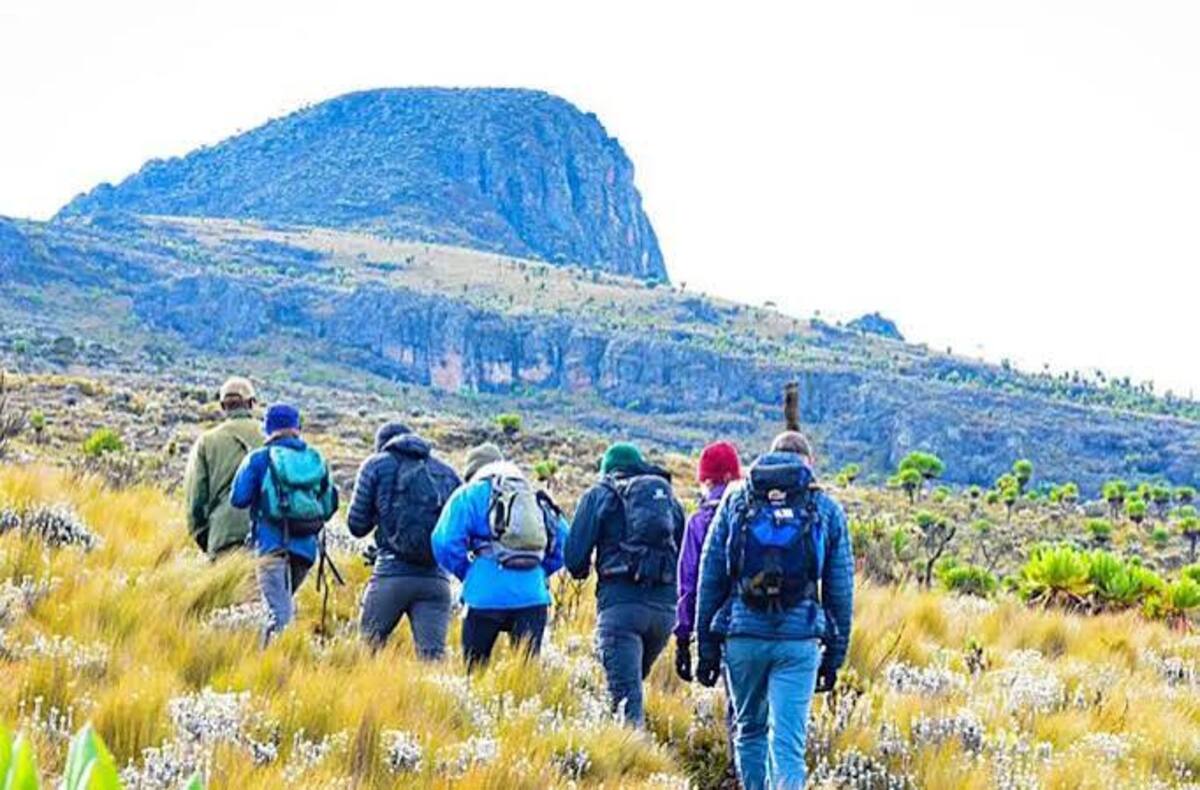
The forest itself is part of the experience, every step gets you closer. Thick vegetation, towering trees, tangled vines, and steep hills create a landscape that feels completely different from Uganda’s open savannah parks.
One question travellers often ask is whether the hiking is difficult.
The honest answer is that it depends.
Some gorilla families are located within an hour of leaving the trailhead. Others may require several hours of walking over uneven, muddy terrain. Rangers know where each habituated family was last seen by trackers, but these are wild animals, and they move freely through the forest.
Before your trek, guides usually assign visitors to gorilla families based on factors such as age, fitness, and mobility whenever possible.
Understanding Bwindi’s Four Trekking Sectors
Many first-time visitors are surprised to learn that Bwindi isn’t accessed through a single entrance, yes, It’s true!
The park is divided into four trekking sectors, each with its own gorilla families, accommodation, and starting point.
Buhoma
Buhoma is the headquarters and oldest trekking sector and remains one of the easiest to reach.
It’s a good choice if you want:
- A wide range of accommodation
- Historic gorilla trekking routes
- Convenient road access from Queen Elizabeth National Park
Ruhija
Ruhija sits at a higher elevation and tends to attract travellers looking for a quieter experience.
It’s also well known among birdwatchers because several Albertine Rift endemic species are regularly recorded herelike shelley’s crimsonwing, Rwenzori Turaco
Rushaga
Rushaga has the largest number of habituated gorilla families in Uganda.
Because more permits are available here each day, it’s often easier to secure bookings during busy travel periods.
The surrounding area also offers a good selection of budget and mid-range lodges.
Nkuringo
Nkuringo is known for its dramatic scenery and steeper terrain.
Travellers who choose this sector often appreciate the quieter atmosphere and panoramic views across the surrounding hills.
The hikes here can be more demanding, but many visitors feel the landscapes make the extra effort worthwhile.
Mgahinga Gorilla National Park
Mgahinga Gorilla National Park offers a different setting.
Instead of dense rolling rainforest, the landscape is dominated by volcanic mountains that form part of the larger Virunga Conservation Area.
The park has only one habituated gorilla family Nyakagezi, available for tourism, which means permit availability is more limited than Bwindi.
However, many travellers deliberately choose Mgahinga because:
- Visitor numbers are generally lower.
- The scenery is quite different from Bwindi.
- You can combine gorilla trekking with golden monkey tracking.
- The volcanic backdrop creates excellent photography opportunities.
If you’re looking for a quieter trekking experience and don’t mind planning a little further ahead, Mgahinga is well worth considering.
How Much Does Budget Gorilla Trekking in Uganda Cost?
One of the biggest misconceptions is that the permit is the only expense you will need to think about.
In reality, your total budget depends on several factors, including:
- Gorilla permit fees
- Accommodation
- Transportation
- Number of people travelling together
- Length of your safari
- Time of year
- Whether you book a private or group tour
The permit is fixed, but almost everything else can be adjusted to suit your budget.
For example, travelling during the low season, sharing transport with other travellers, and choosing locally owned budget lodges can reduce your overall costs without affecting the quality of the gorilla trekking experience itself.
Where to Stay on a Budget Near Gorilla Trekking?
Accommodation is one of the easiest areas to control your overall safari cost. The key idea is simple: you don’t need luxury deep in the rainforest to have a meaningful gorilla trekking experience.
Most budget lodges near trekking sectors are basic but comfortable, and more importantly, they are positioned close enough to the park headquarters that you don’t need long early-morning drives before your trek.
Typical budget accommodation includes:
- Simple private rooms or bandas
- Mosquito nets and basic private bathrooms
- Hot meals (often locally sourced)
- Early breakfast arrangements for trekkers
- Staff used to early safari schedules
Many of these properties are locally owned, which means your stay contributes directly to nearby communities that live alongside conservation areas.
Budget Lodges by Trekking Sector
Buhoma Sector
- Buhoma Community Rest Camp
- Ride 4 a Woman Guesthouse
This area is one of the most convenient for first-time trekkers. Roads are relatively easier compared to other sectors, and there’s a wider choice of accommodation.
Rushaga Sector
- Rushaga Haven Gorilla Lodge
- Nshongi Camp
Rushaga tends to offer good availability for permits, which is useful if you are booking later or travelling during busier months. Accommodation here is often better value compared to more established sectors.
Ruhija Sector
- Broadbill Forest Camp
- Gorilla Mist Camp
Ruhija feels quieter and slightly cooler due to its higher elevation. It’s a good match for travellers who prefer fewer crowds and more relaxed pacing.
How to Get There: Transport Options for Budget Travellers
Getting to the gorilla trekking regions is part of the safari experience itself. The journey is long, but it also shows you a different side of Uganda that many visitors don’t expect.
You will pass through:
- Roadside trading towns
- Banana plantations
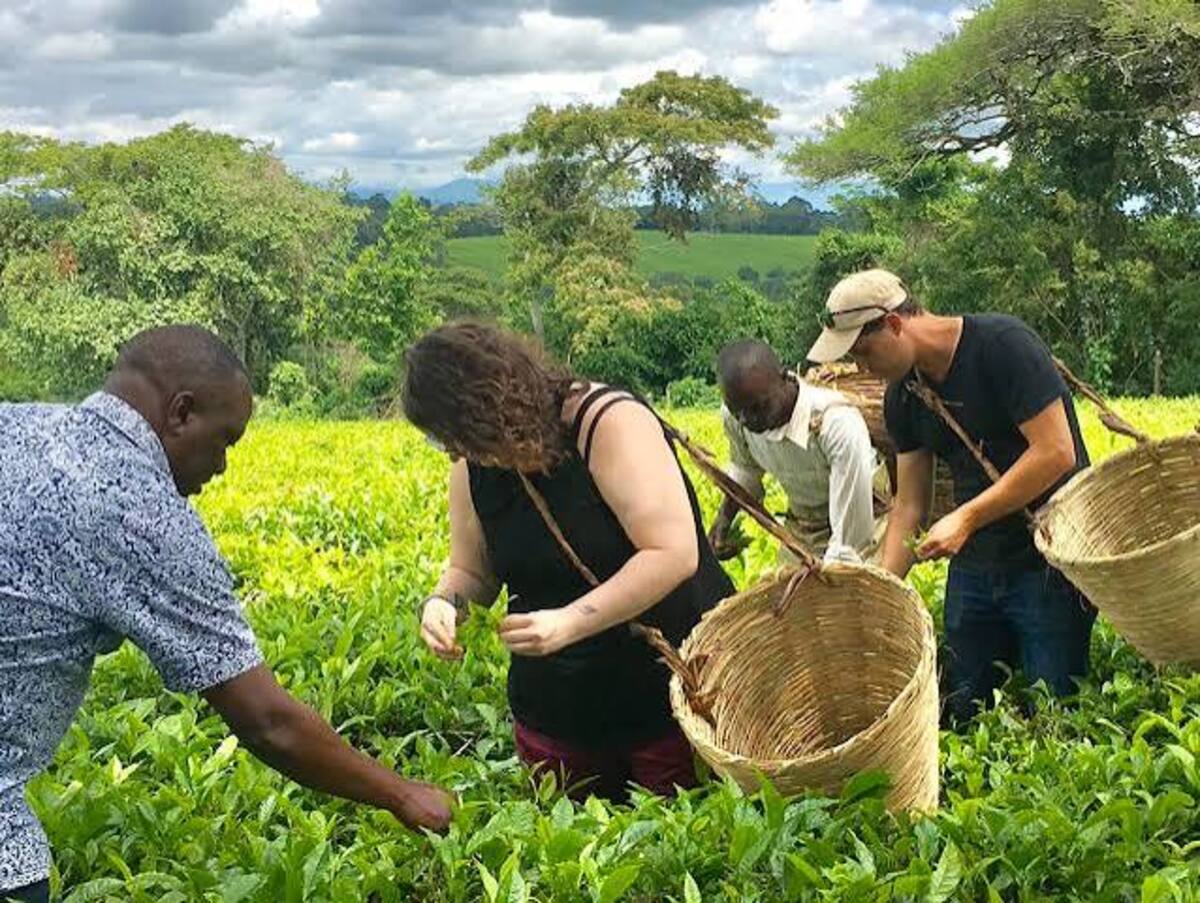
- Tea-growing hills
- Rolling countryside that gradually becomes more forested
Most travellers take between 8 and 9 hours from Kampala or Entebbe depending on stops and road conditions.
Shared Group Safaris (Best Value Option)
Shared tours are one of the most cost-effective ways to do gorilla trekking.
They usually include:
- Shared 4×4 vehicle transport
- Driver-guide
- Fuel and road logistics
- Pre-arranged accommodation
- Coordinated trekking permits
The main trade-off is flexibility. You follow a fixed schedule, but costs are significantly lower when shared across a group. Check out our upcoming shared group tours.
Private Budget Safari
A private safari is more flexible but can still be affordable if planned well.
Benefits include:
- Flexible departure times
- Ability to adjust pace and stops
- More control over accommodation level
- Personal driver-guide
Many travellers are always surprised that booking through local operators often costs less and gives more authentic experience than international travel agencies offering similar itineraries.
Public Transport (For Independent Travellers)
It is possible to reach southwestern Uganda using public buses and taxis, but it requires patience, good knowledge of the country and proper planning.
Expect:
- Multiple transfers
- Limited comfort on long journeys
- Extra planning to connect to park sectors
- Need to arrange final transfers locally
This option works best for very experienced independent travellers rather than first-time safari visitors.
When Is the Best Time for Budget Gorilla Trekking?
Gorilla trekking happens all year, but the experience changes depending on season. More importantly for budget travellers, prices also fluctuate.
Dry Season (Peak Travel Months)
- June to September
- December to February
This is the most popular time to visit.
What to expect:
- Easier hiking conditions
- Less mud on trails
- Better photography light
- Higher demand for permits and accommodation
Wet Season (Budget-Friendly Option)
- March to May
- October to November
This is where “budget gorilla trekking” really becomes realistic.
What changes:
- Trails become muddy and more challenging
- Rain showers are common
- Fewer tourists in the park
- Discounted permit and lodge prices
- Better availability of lodges and permits
What doesn’t change:
- Gorilla viewing success rates remain high
- Guides still locate habituated families daily
Many experienced travellers actually prefer this season because the forest feels more alive and less crowded.
How Difficult Is Gorilla Trekking Really?
This is one of the most common questions, and the honest answer is: it depends on the day, not the person.
There’s no fixed route.
Gorilla families move freely, so trekking time can vary from under an hour to several hours of hiking.
You may encounter:
- Steep uphill sections
- Slippery forest paths
- Thick vegetation
- Occasional rain, even in dry season
But you are never rushed, and guides adjust pace based on the group.
Who Can Do It?
Most reasonably fit travellers can complete a trek. You don’t need to be an athlete, but you should be comfortable walking on uneven terrain.
Park staff often try to match groups based on:
- Fitness level
- Age considerations
- Individual comfort where possible
Why Porters Make a Big Difference
Hiring a porter is one of the smartest decisions you can make.
They help with:
- Carrying your backpack
- Supporting you on steep or muddy sections
- Cutting through dense vegetation
- Improving overall trekking safety
It also directly supports local livelihoods in communities around the parks.
What to Pack for Gorilla Trekking
Packing well makes the experience much smoother. Conditions can change quickly once you enter the forest.
Essentials
- Waterproof hiking boots with good grip
- Long trousers (quick-dry fabric preferred)
- Long-sleeved shirt for protection
- Lightweight rain jacket
- Small backpack
- Reusable water bottle
Useful Extras
- Gardening gloves (for grabbing vegetation or support on steep sections)
- Camera with good zoom lens
- Extra batteries or power bank
- Hat for sun before entering forest
- Snacks for energy before and after trek
Gorilla Trekking Rules and Why They Matter
Rules in the forest are strict, but they exist for a very important reason: protecting gorillas from human-borne diseasesand stress.
Key guidelines include:
- Keep at least 7 metres distance from gorillas
- No flash photography
- Do not eat or drink near gorillas
- Stay with your guide at all times
- Do not trek if you are ill
- Avoid sudden movements or loud noise
These rules aren’t just regulations, they are part of why gorilla populations are slowly recovering.
Why Your Permit Actually Supports Conservation
A gorilla permit is more than an entry ticket.
Revenue goes directly into:
- Anti-poaching patrols
- Veterinary interventions for gorillas
- Ranger salaries
- Community development projects
- Habitat protection programs
In simple terms, every trekking permit helps ensure that future generations will still have a chance to see mountain gorillas in the wild.
Combining Gorilla Trekking with Other Uganda Safaris
One of the biggest advantages of trekking in Uganda is that the experience rarely stands alone. Most travellers don’t come just for gorillas, they build a wider itinerary around it.
Once you have already made the journey to the southwest, it makes sense to explore nearby landscapes rather than heading straight back.
Chimpanzee Tracking for a Different Primate Experience
Kibale Forest National Park is one of the best places in Africa to see chimpanzees in their natural habitat.
Unlike gorillas, chimpanzees are faster, louder, and more unpredictable. The experience feels more energetic, less still observation, more active tracking through forest trails.
Other alternatives include:
- Kyambura Gorge (Queen Elizabeth National Park)
- Kalinzu Forest Reserve
Classic Safari Wildlife in Open Savannah
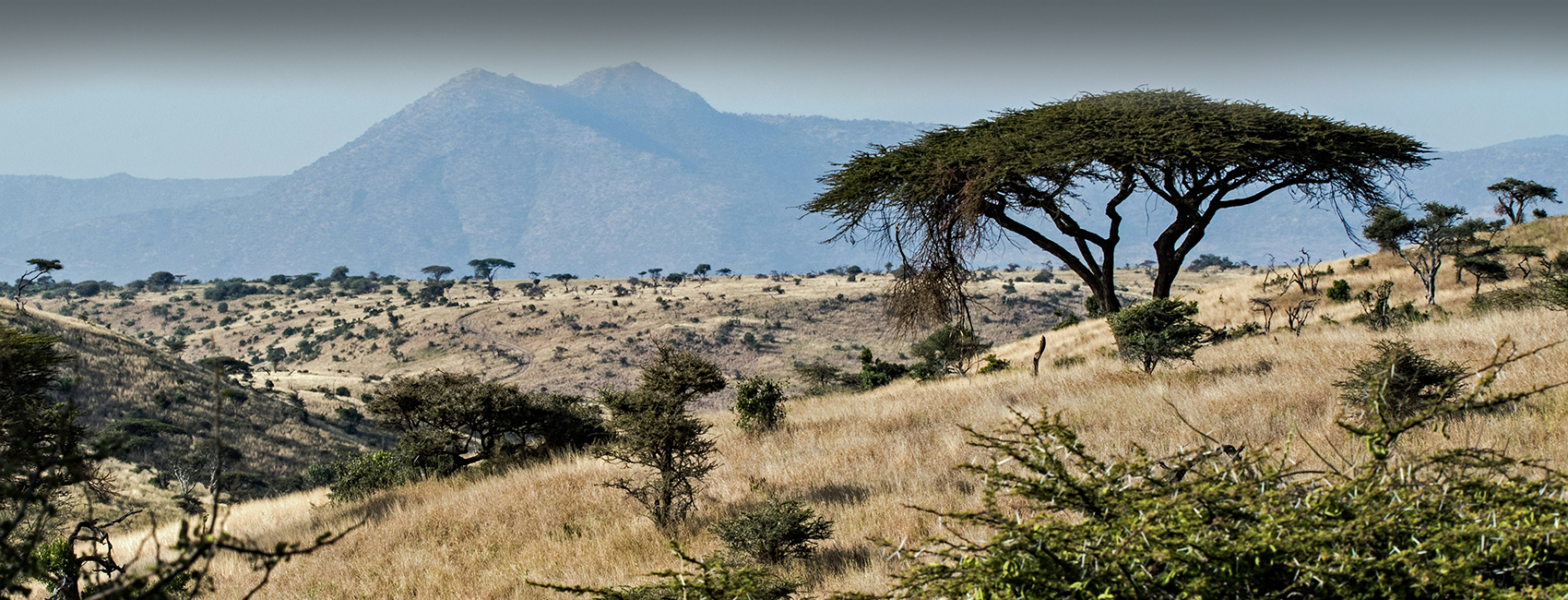
After days in the rainforest, many travellers continue into Uganda’s savannah parks for a completely different setting.
Popular options include:
- Queen Elizabeth National Park
- Murchison Falls National Park
- Lake Mburo National Park
Here, the focus shifts from forest tracking to game drives and boat safaris where you may see elephants, lions, hippos, buffalo, and giraffes in open landscapes.
Cultural Encounters That Add Depth to Your Trip
Many travellers underestimate how much culture adds to a Uganda safari.
You can visit local communities to learn about:
- Traditional music and dance
- Basket weaving and crafts
- Farming life around forest edge communities
- Conservation projects led by locals
These experiences often become just as memorable as the wildlife itself because they add context to how people live alongside protected areas.
Sample Budget Gorilla Trekking Itinerary
This is a simple, practical version of how most budget travellers structure their trip.
Day 1: Arrival and Transfer to the Forest Region
- Early departure from Kampala or Entebbe
- Stop at roadside markets or the Equator for photos
- Lunch en route
- Continue to the trekking region
- Overnight at budget lodge near the park
The drive is long, but it also marks the transition from urban Uganda into rolling hills and eventually dense rainforest zones.
Day 2: Gorilla Trekking Day
- Early breakfast
- Transfer to park headquarters
- Ranger briefing on rules and group allocation
- Start trek into the forest
- Spend up to one hour with a gorilla family
- Return to lodge for rest or optional community walk
This is the day everything revolves around. The time in the forest feels short in theory, but in practice it’s the part travellers remember most.
Day 3: Return or Continue Safari
- Breakfast at lodge
- Drive back to Kampala or Entebbe
- Optional stop for craft markets or viewpoints
- Or continue to a safari park for game drives
Many travellers extend their trip here instead of returning immediately, especially if combining with wildlife safaris.
Practical Money-Saving Tips That Actually Work
Not all “budget travel tips” are equally useful. These are the ones that genuinely reduce costs without affecting your experience.
Travel in a Small Group
Sharing transport and accommodation significantly reduces per-person cost. Even a group of 2–6 people can lower expenses compared to solo private travel.
Choose Location Over Luxury
Staying close to the trekking sector saves:
- Extra transport costs
- Early morning long-distance driving
- Time and fatigue before trekking
Simple accommodation near the park is usually more practical than expensive lodges far away.
Book Early (Especially for Permits)
Gorilla permits are limited daily. Booking early helps you:
- Secure your preferred trekking sector
- Avoid peak-season shortages
- Plan accommodation more efficiently
Travel in Shoulder or Low Season
Rainy months often come with:
- Lower lodge prices
- Discounted permit prices
- Fewer tourists
- Easier permit availability
The trade-off is muddy trails, but the gorilla experience remains unchanged.
Use Local Operators
Working with Uganda-based companies often reduces costs because:
- No international agency markups
- Direct lodge partnerships
- Flexible itinerary planning
Frequently Asked Questions
How fit do I need to be?
You don’t need to be extremely fit, but you should be comfortable walking for a few hours on uneven terrain. Some treks are short, others longer, it varies daily.
Will I definitely see gorillas?
Sightings are not 100% guaranteed in wildlife tourism, but success rates in Uganda are extremely high because rangersand trackers track habituated families daily.
Can I hire a porter?
Yes, and it is strongly recommended. Porters carry bags and assist on steep sections while also supporting local livelihoods.
Can older travellers do gorilla trekking?
Yes. Age alone is not a barrier. Park staff try to assign easier treks where possible based on fitness and ability.
Can I take photos?
Yes, but flash photography is not allowed. A zoom lens is useful because you must maintain distance.
What happens if it rains?
Treks continue in rain unless conditions are unsafe. Rain is part of rainforest conditions, so waterproof gear is important.
Are toilets available?
Basic toilet facilities are available at park headquarters before the trek begins, but not inside the forest. Arrangements can be made in the forest too by your ranger guide.
What should I wear?
Long sleeves, long trousers, waterproof hiking boots, and a rain jacket. Bright colours are best avoided.
Final Thoughts: What This Experience Really Feels Like
Budget gorilla trekking in Uganda isn’t about cutting corners. It’s about making intentional choices so that the experience remains accessible without losing its meaning.
Once you step into the forest, cost stops being the focus. What stays with most travellers is the quiet anticipation while tracking through dense vegetation, the moment you first hear movement in the trees, and the unexpected stillness that comes when you finally encounter a gorilla family in their natural environment.
It’s not a spectacle in the traditional sense. It’s something more grounded than that, time spent observing a species that mirrors us in surprising ways, yet lives entirely on its own terms.
That balance is what makes the experience memorable long after the journey ends.
If you are planning a Uganda safari and want help structuring a trip that fits your budget, Naseeb Safaris can assist with permits, logistics, and itinerary planning tailored to your travel style.