
Isunga Cultural Community – A Cultural and Landscape Experience
Isunga Cultural Community – A Cultural and Landscape Experience, Just outside the forest edge of western Uganda, where the land begins to rise and fold into crater-dotted hills, Isunga Cultural Community offers a different way of understanding this region. Instead of focusing only on wildlife in the national park, this experience brings attention to the people who live alongside it, farmers, tea growers, coffee producers, and families whose daily lives are shaped by the same ecosystem that supports chimpanzees and forest primates.
Located about 22 kilometres south of Fort Portal Tourism City and on the fringes of Kibale National Park, Isunga has become one of Uganda’s more thoughtful examples of community-based tourism. It is not a polished attraction designed for quick visits. Instead, it is a working rural landscape where visitors are welcomed into guided experiences that connect culture, conservation, and livelihood.
For travellers planning a Uganda safari, especially first-time visitors, the key question is simple: does this add depth to my trip, or is it just an optional extra? Isunga answers that by showing how people and protected areas are intertwined.
Understanding Isunga: A Landscape Shaped by “Watching”
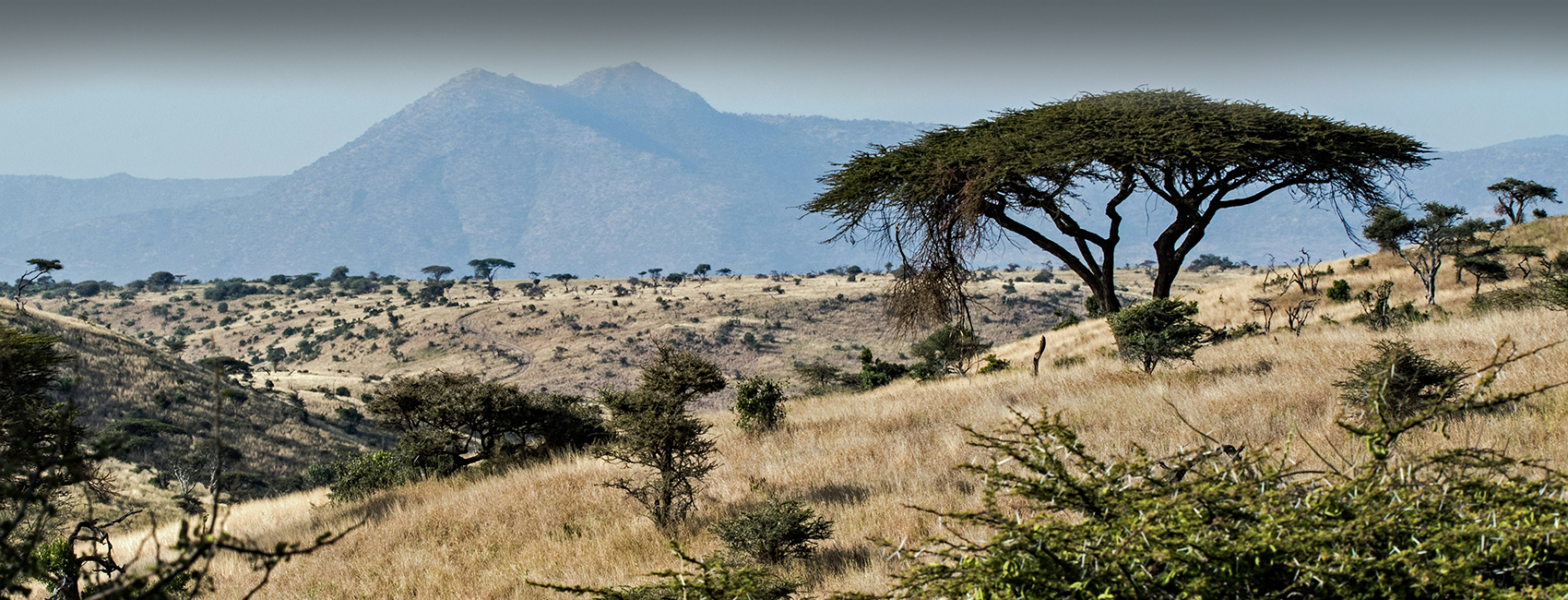
The name Isunga is commonly translated as “spotting” or “watching,” a fitting description for a place defined by wide views and layered scenery. From its hills, you can look across crater lakes, tea plantations, forest edges, and scattered homesteads.
This is not a single attraction but a connected landscape. What stands out is how quickly the scenery changes on foot. One moment you are walking through cultivated farmland, and a short climb later you are looking down into a volcanic crater lake filled with still, dark water and forested slopes.
A Community Response to Conservation Pressure
The story behind Isunga Cultural Community is essential to understanding the experience.
The initiative was established in 2017 by Thadeus Ayebale, a Ugandan tourism professional and conservation advocate who grew up near Kibale Forest. While studying tourism at Makerere University, he observed a recurring challenge in communities surrounding protected areas: wildlife and farming often came into conflict.
Crops were frequently damaged by animals moving out of the forest. For many families, this meant loss of income and food security. In some cases, pressure on livelihoods contributed to unsustainable practices such as illegal hunting or encroachment into forest areas.
The idea behind Isunga was not to “turn culture into a product,” but to create practical alternatives. By linking tourism with everyday rural skills, coffee farming, beekeeping, agriculture, and guiding, the community could earn income while reducing dependence on activities that harm the forest.
Today, tourism revenue supports local livelihoods and helps reinforce the idea that conservation and community survival are connected rather than opposed.
Crater Lakes and the “Top of the World” Hike
For many visitors, this is the signature experience.
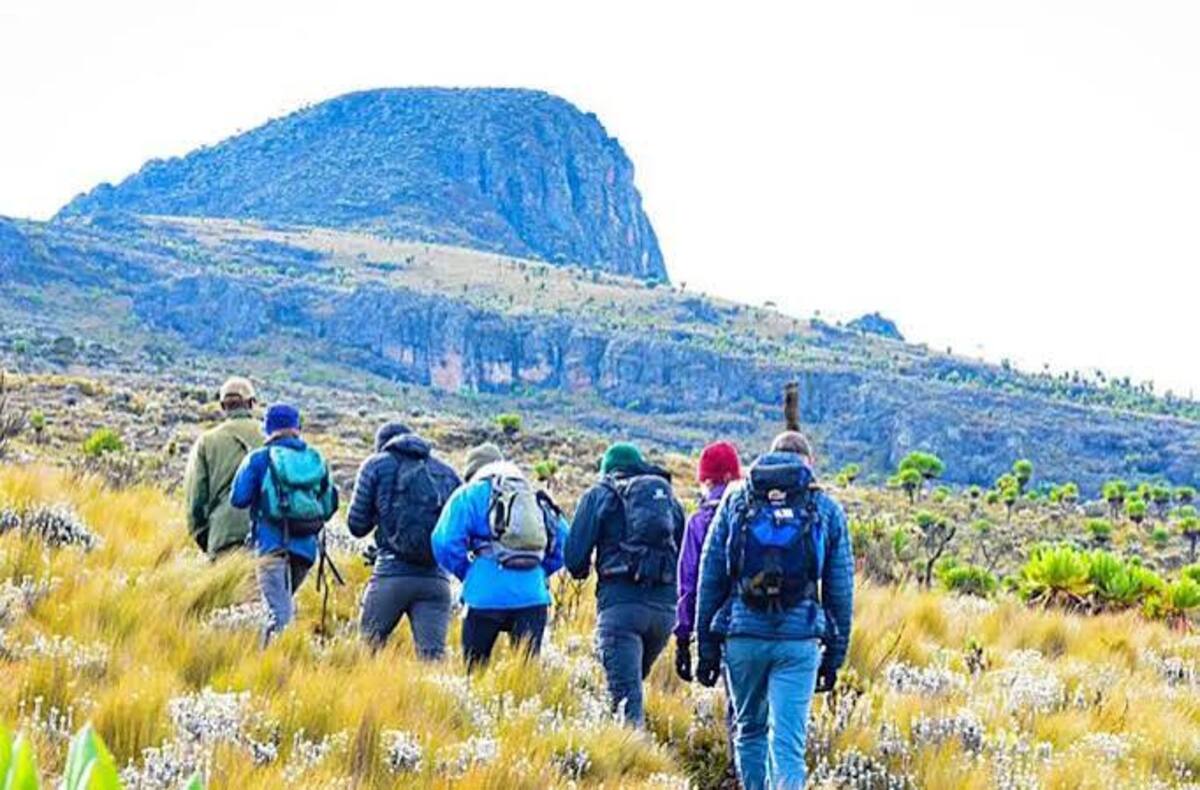
The guided Crater Lakes walk and “Top of the World” hike typically takes 3 to 4 hours depending on pace and weather. The terrain is moderately hilly, with sections of ascent and descent through farmland, forest edges, and village paths.
Along the way, you pass three main crater lakes:
- Lake Nyabikere
- Lake Nyinambuga
- Lake Nyamirima
Each has a distinct character, some are open and reflective, others framed by dense vegetation that drops steeply into the water.
Wildlife sightings are not guaranteed, but the forest edges are home to:
- Red-tailed monkeys
- Black-and-white colobus monkeys
- Occasionally red colobus monkeys
Birdlife is present throughout the walk, especially in forested sections and near water.
The final climb leads to the “Top of the World” viewpoint at around 1,645 metres above sea level. From here, the landscape opens dramatically: crater lakes sit below like dark mirrors, Kibale Forest stretches in the distance, and tea plantations form geometric green patterns across the hills.
Coffee Experience: From Garden to Cup
Coffee is one of the most important livelihood crops in this region, and the Isunga coffee experience focuses on the full process rather than just tasting.
Visitors begin in smallholder coffee gardens where farmers explain how robusta coffee is grown, maintained, and harvested. Depending on the season, you may see ripe cherries on the plant or observe post-harvest drying methods.
The experience continues through:
- Hand sorting and processing
- Traditional roasting over open heat
- Grinding using local tools
- Brewing methods passed through households
What makes this experience valuable is not the demonstration itself, but the context: coffee here is not a commodity in the abstract sense, it is tied directly to school fees, healthcare, and household stability.
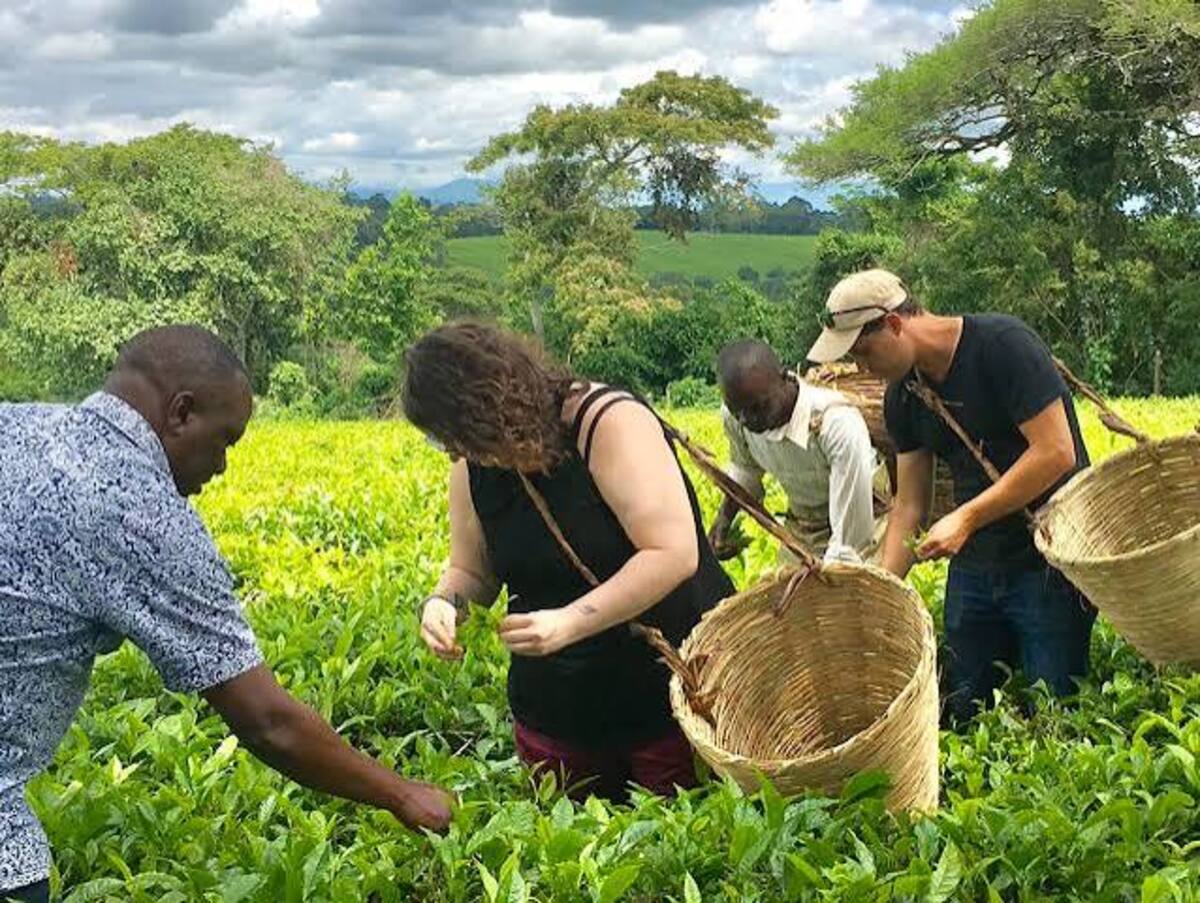
Tea Plantations and Landscape Farming
Tea is one of the most visually dominant crops around Kibale’s edge. The plantations are not only agricultural zones but also part of the ecological buffer between farmland and forest.
A guided tea walk typically covers:
- History of tea cultivation in western Uganda
- Planting cycles and pruning methods
- Hand-picking techniques
- Seasonal labour patterns and wage systems
Walking through the tea estates, the terrain feels ordered compared to surrounding farmland. The rows of tea bushes follow the contours of the hills, creating a quiet rhythm in the landscape.
Vanilla Farming: A Rare Agricultural Insight
Vanilla is one of the most labour-intensive crops in the world, and Uganda is among its growing producers.
In Isunga, visitors are introduced to:
- How vanilla vines are trained on support trees
- Manual pollination techniques (a delicate, time-sensitive process)
- Harvesting stages and curing methods
- The long drying and fermentation process before export
Because vanilla requires careful handling and patience, farmers often describe it as a crop that demands attention rather than scale.
This experience tends to change how travellers think about everyday ingredients used in global food industries.
Village Life and Cultural Encounters
Beyond agriculture, guided village walks provide insight into daily life in Isunga.
These walks may include:
- Visiting homesteads and family compounds
- Learning about local building techniques and cooking methods
- Basket weaving demonstrations
- Traditional music and dance performances
- Conversations about education and rural livelihoods
The tone of these interactions matters. This is not a staged performance but a guided introduction to how communities function in a rural Ugandan setting.
Other Activities Around Isunga and Kibale
Because of its location, Isunga is often combined with broader itineraries in western Uganda. Additional activities include:
- Homestays with local families
- Birdwatching in forest edges and wetlands
- Cycling through rural roads and crater hills
- Visits to Bigodi Wetland Sanctuary
- Excursions to Mahoma Falls
- Cultural visits to Amabere ga Nyina Mwiru caves
- Boda-boda motorcycle village tours
Many travellers also combine this experience with chimpanzee tracking inside Kibale National Park for a fuller understanding of both wildlife and community conservation.
Practical Travel Information
How fit do you need to be?
Moderate fitness is recommended. The crater hike includes uphill sections, uneven paths, and warm conditions, but it is manageable for most active travellers.
What should you wear?
- Light hiking shoes or trainers with grip
- Long trousers (for vegetation and insects)
- Lightweight long-sleeved top
- Rain jacket (weather can change quickly)
Weather expectations
The region can experience sudden rain even in dry months. Trails may become slippery, especially during the rainy seasons.
Can you hire a porter?
Yes, local porters are available and recommended for steep sections or if you are carrying camera gear or daypacks.
Safety and guidance
All activities are led by local guides. The terrain is safe when following instructions, but conditions can vary with weather.
Responsible Tourism Considerations
Isunga operates as a community-based initiative, meaning visitor spending directly supports households and local projects. Travellers are encouraged to:
- Ask before taking photographs of people
- Support local guiding and porter services
- Avoid giving cash directly to children
- Respect farmland boundaries and crops
- Follow environmental guidance on trails
Frequently Asked Questions
Will I see gorillas or chimpanzees here?
No. This is not a primate trekking destination. However, you may see monkeys in forest-edge areas, and chimpanzee trekking is available nearby in Kibale.
How long does a visit take?
Most experiences last half a day, though full-day combinations are possible with crater hikes and cultural activities.
Can seniors do the trek?
Yes, but pace and support matter. Porters and shorter routes can be arranged depending on mobility.
What happens if it rains?
Tours continue unless conditions become unsafe. Rain jackets and sturdy footwear are essential.
Can I wear shorts?
It is possible, but long trousers are strongly recommended due to vegetation, insects, and sun exposure.
How much should I tip?
Tipping is not mandatory but appreciated. Many travellers tip guides and porters based on group size and service level.
Are there toilets on the trail?
Basic facilities are available at starting points and selected stops, but not along remote sections of the hike.
Can I take photos?
Yes, but always ask permission before photographing people or private homes.
Isunga Cultural Community offers a perspective that many safari itineraries miss. Instead of separating wildlife from people, it shows how closely they coexist in western Uganda’s landscapes. Crater lakes, farms, forest edges, and village life are not separate experiences here, they form one continuous environment shaped by both opportunity and challenge.
For travellers willing to slow down and engage beyond game drives, this is where Uganda becomes more than scenery. It becomes a place where land use, culture, and conservation are visibly connected.
If you are planning a safari in western Uganda and want help combining this experience with Kibale Forest, crater lakes, or broader itinerary planning, Naseeb Safaris can help design a route that fits your pace and interests.