
What to pack for Gorilla Trekking in Uganda & Rwanda
What to pack for Gorilla Trekking in Uganda & Rwanda, Planning a gorilla trek is exciting, but it also raises plenty of questions. What should you wear? Are hiking boots really necessary? Will it be cold? What happens if it rains? And how much do you actually need to carry into the forest?
The answers matter more than many first-time visitors expect.
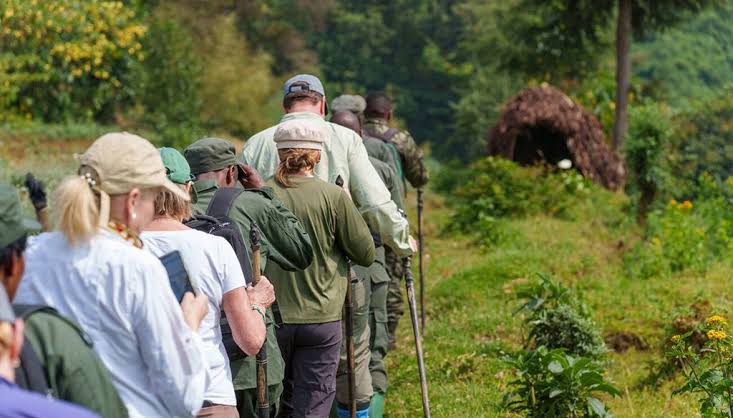
Unlike a typical nature walk, gorilla trekking takes place in dense montane rainforest where conditions can change quickly. One group of gorillas may be found after an hour’s gentle walk, while another may require several hours of climbing over muddy slopes, crossing small streams, and pushing through thick vegetation. The experience is unpredictable by nature, and that’s part of what makes it so rewarding.
Packing well doesn’t mean bringing more, it means bringing the right things. The right clothing keeps you comfortable through changing weather. Suitable footwear helps you navigate uneven ground with confidence. A thoughtfully packed daypack ensures you can focus on the forest around you rather than what you have forgotten back at the lodge.
Whether you are trekking in Bwindi Impenetrable National Park, Mgahinga Gorilla National Park, or crossing the border into Rwanda’s Volcanoes National Park, this guide explains exactly what to pack, why each item matters, and how to prepare realistically for the day ahead.
Why Your Packing List Matters More Than You Think
Many travellers picture gorilla trekking as a leisurely walk through the forest followed by an hour with the gorillas. The reality is far more varied.
Each morning, experienced trackers head into the forest before visitors arrive. Their job is to locate the habituated gorilla families and communicate their position to the ranger guides. Since the animals move constantly while feeding, nesting and resting, the distance visitors walk changes every day.
A trek may last:
- Less than one hour
- Around three to four hours
- Up to eight hours in rare cases
The route is never paved. Depending on recent weather, you may encounter:
- Muddy hillsides
- Narrow forest paths
- Thick undergrowth
- Exposed tree roots
- Wet rocks
- Dense vegetation that occasionally requires guides to clear a path
The forest itself creates its own microclimate. Sunshine can quickly give way to rain, even during the traditionally drier months.
Packing appropriately won’t change how challenging your assigned trek is, but it will make the experience considerably more comfortable.
Understanding the Environment Before You Pack
One of the biggest mistakes visitors make is packing for the temperature rather than the terrain.
The forests where mountain gorillas live are located at elevations of roughly 1,200 to over 2,500 metres (4,000–8,200 feet). Early mornings are often cool, especially before you begin walking. As the hike progresses, you will likely warm up quickly, particularly during steep climbs.
Instead of relying on one heavy jacket, think in layers.
Lightweight clothing that can be added or removed as conditions change is far more practical than bulky clothing designed for cold climates.
Another misconception is that the rainforest is constantly wet. While rain is possible throughout the year, many trekking days remain dry. The challenge often comes from wet vegetation brushing against your clothes rather than rainfall itself.
Understanding these conditions makes choosing the right gear much easier.
Clothing: Dress for the Forest, Not the Forecast
The goal isn’t to look like a mountaineer. It’s to stay comfortable while protecting yourself from vegetation, insects and changing weather.
Long-Sleeved Hiking Shirts
A lightweight long-sleeved shirt is one of the simplest ways to stay comfortable during the trek.
As you move through the forest, you will occasionally brush against vines, branches, nettles and thorny shrubs. Covering your arms reduces scratches and helps protect against insect bites without making you uncomfortably warm.
Technical hiking shirts made from breathable synthetic fabrics usually perform better than cotton because they dry quickly if you sweat or encounter rain.
Neutral colours such as olive, grey, brown or khaki blend naturally into the surroundings without attracting unnecessary attention.
Bright colours aren’t prohibited, but muted tones are generally preferred for wildlife activities.
Avoid camouflage clothing, which is restricted in several East African countries because of its association with military uniforms.
Hiking Trousers
Shorts may seem appealing in warm weather, but they are rarely the most comfortable choice.
Long trousers protect your legs from:
- Thorny vegetation
- Stinging nettles
- Insect bites
- Scratches from branches
Stretch fabrics designed for hiking make climbing easier than heavier materials like denim.
Some experienced trekkers tuck the bottoms of their trousers into their hiking socks to discourage safari ants from finding their way inside.
It may not be the most fashionable look, but you will appreciate it if you encounter an active ant trail.
A Waterproof Rain Jacket
If there is one item that consistently earns its place in every backpack, it’s a lightweight waterproof jacket.
Rain showers can develop quickly in mountainous rainforest, regardless of the season.
Choose a jacket that offers:
- Waterproof protection
- Breathability
- An adjustable hood
- Lightweight construction
- Easy storage inside a daypack
Heavy winter coats are generally unnecessary. You will generate plenty of body heat once the hike begins.
A Warm Mid-Layer
Early morning temperatures at higher elevations can feel surprisingly cool while waiting for the ranger briefing.
A lightweight fleece or insulated mid-layer provides enough warmth before the trek begins and can easily be removed once you are walking.
Layering gives you flexibility throughout the day without carrying unnecessary weight.
Should You Bring Gaiters?
Gaiters aren’t very essential, but they are useful especially during wetter months.
Worn over your boots and lower trousers, they help keep mud, water and small stones out of your footwear while offering additional protection against dense vegetation.
Travellers visiting during March to May or October to November often find them worthwhile.
Choosing the Right Footwear
If clothing keeps you comfortable, footwear keeps you moving.
Forest trails can be uneven, slippery and steep, especially after rain. The right boots improve both stability and confidence.
Waterproof Hiking Boots
Good hiking boots don’t need to be expensive, but they should provide three things:
- Reliable grip
- Waterproof protection
- Ankle support
Waterproof boots help prevent soaked feet after crossing muddy sections or walking through wet grass.
Deep tread patterns improve traction on slippery slopes, reducing the chance of losing your footing.
Perhaps the most common packing mistake is buying new boots just before travelling.
Instead, wear them on several walks before your safari so they mould comfortably to your feet.
Hiking Socks
Quality socks are just as important as good boots.
Technical hiking socks reduce friction, wick away moisture and provide cushioning throughout the day.
Merino wool and synthetic blends generally outperform standard cotton socks, particularly in humid conditions.
Packing two or three pairs allows you to change into dry socks after the trek, a small luxury that feels surprisingly satisfying after several hours in the forest.
Building the Ideal Gorilla Trekking Daypack
You won’t carry your main suitcase into the forest.
Instead, everything you need should fit comfortably inside a small daypack preferably waterproof as well.
A backpack between 20 and 30 litres usually provides enough space without becoming cumbersome.
Look for features such as:
- Padded shoulder straps
- A supportive waist belt
- Side pockets for water bottles
- A waterproof rain cover
- Several compartments for organising smaller items
Keep heavier items close to your back to improve balance during climbs.
If you’re hiring a porter, which many visitors choose to do regardless of fitness, they can carry your daypack while you focus on walking.
Water and Food: Fuel for the Trek
The cool forest air often disguises how much fluid you are losing.
Most visitors should carry around two litres of drinking water, though particularly warm days or longer treks may require slightly more.
Reusable bottles or hydration reservoirs both work well.
Most lodges preparing guests for gorilla trekking provide a packed lunch, especially if there’s a chance the trek will extend into the afternoon.
Even so, carrying a few high-energy snacks is worthwhile.
Good options include:
- Mixed nuts
- Trail mix
- Energy bars
- Dried fruit
- Granola bars
- Dark chocolate
Small snacks are easy to eat during short breaks and help maintain energy on steeper sections of the trail.
Small Items That Make a Big Difference
When people think about packing for gorilla trekking, they usually focus on boots and waterproof jackets. Those are certainly important, but some of the smallest items in your backpack often turn out to be the most useful.
These are the things that help you stay comfortable when the trail becomes muddy, protect your equipment during an unexpected shower, or simply make the day run more smoothly.
Gloves: An Overlooked Essential
A lightweight pair of gardening or work gloves rarely appears on a typical safari packing list, yet many ranger guides recommend bringing them.
In some sections of the forest, you may need to steady yourself by holding onto branches, vines or exposed roots while climbing or descending steep slopes. Thick vegetation can also include thorny plants and stinging nettles.
Simple gloves help protect your hands while improving your grip on wet branches.
There’s no need for heavy winter gloves. Thin, flexible gardening gloves are usually the most practical choice because they allow you to move comfortably while keeping your hands protected.
Walking Sticks: Accept One Even If You Rarely Use One
At the ranger briefing, you will usually be offered a walking stick before setting off.
Many visitors politely decline, only to wish they hadn’t later.
The stick provides extra balance on slippery slopes, helps reduce strain during descents and offers additional stability when crossing uneven ground.
Even experienced hikers often appreciate the extra support, particularly if recent rain has made the trails muddy.
Walking sticks are generally available at no additional charge, although tipping the local person who prepares them is a thoughtful gesture.
Protecting Your Camera Equipment
For many travellers, the hour spent observing mountain gorillas becomes one of the photographic highlights of their African journey.
The forest, however, presents its own challenges.
Light levels are often lower than expected beneath the canopy, and moisture can affect both cameras and lenses.
Choosing the Right Camera
There is no single “best” camera for gorilla trekking.
Many visitors bring:
- Mirrorless cameras
- DSLR cameras
- Advanced compact cameras
- High-quality smartphones
Modern smartphones can produce impressive images in good light, although dedicated cameras generally perform better in the darker conditions found beneath the forest canopy.
If photography is one of your priorities, a camera with good low-light performance is more useful than a powerful zoom lens.
Because visitors spend approximately one hour with the gorillas and often at relatively close range, extreme telephoto lenses are not always necessary.
Spare Batteries and Memory Cards
Mountain forests tend to be cooler than lower elevations, and lower temperatures can reduce battery performance.
Carry at least one fully charged spare battery if you’re using a dedicated camera.
Extra memory cards are equally worthwhile.
Many visitors arrive expecting to take a few dozen photographs and leave with several hundred.
Having additional storage means you won’t need to worry about deleting images during the trek.
Waterproof Protection for Electronics
Rain isn’t the only source of moisture.
Water drips constantly from leaves after overnight showers, and damp vegetation can brush against your backpack throughout the walk.
Consider packing:
- A waterproof backpack cover
- Dry bags
- Zip-lock bags for electronics
- A rain sleeve for your camera
These inexpensive items offer valuable protection against moisture.
Photography Etiquette Around Gorillas
Photography is encouraged, but there are a few important rules designed to protect the animals.
Before entering the forest:
- Turn off your flash.
- Silence phones and camera notifications.
- Prepare your settings in advance if possible.
Once you are with the gorillas, avoid rushing from one position to another simply to capture a better angle.
Sometimes the best photographs come from standing quietly and observing natural behaviour rather than constantly adjusting your position.
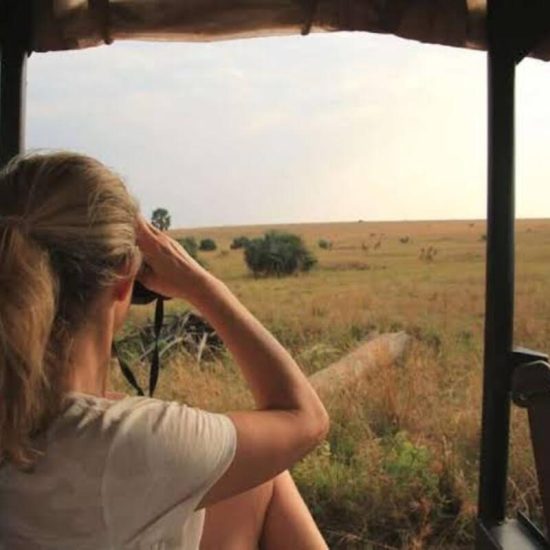
Binoculars: Worth Bringing?
Many travellers wonder whether binoculars are necessary when they are already hoping to see gorillas up close.
The answer depends on your interests.
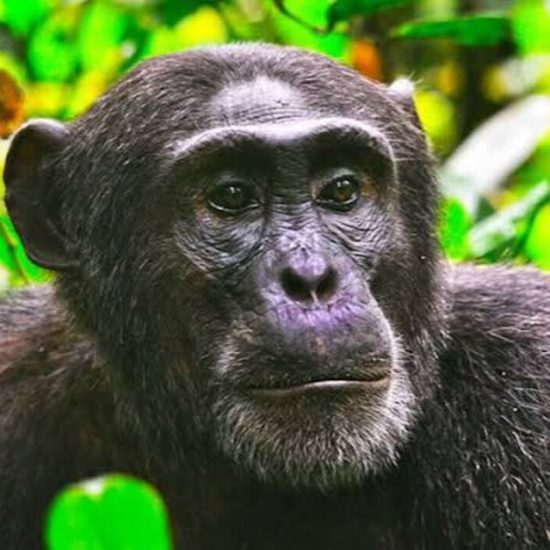
Although gorillas are the main attraction, these forests are also home to remarkable birdlife, colourful butterflies and several species of monkeys.
You may spot:
- Black-and-white colobus monkeys
- L’Hoest’s monkeys
- Blue monkeys
- Turacos
- Hornbills
- Sunbirds
Compact binoculars add very little weight to your backpack while making these encounters far more rewarding.
Birdwatchers, in particular, will appreciate having them.
Staying Healthy During the Trek
Protecting your own health also helps protect the gorillas.
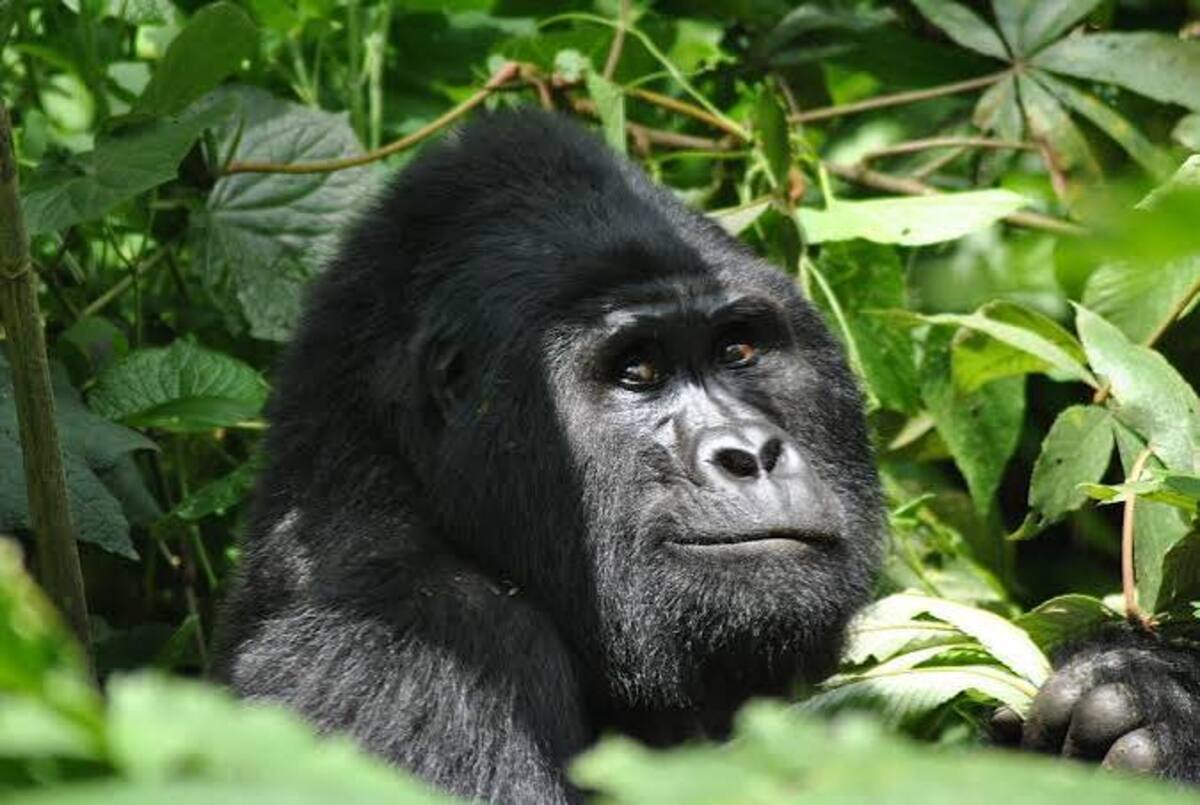
Mountain gorillas share a high percentage of human DNA and are vulnerable to many illnesses that affect people, including common respiratory infections.
This is one reason why visitors who feel unwell are asked not to participate in the trek.
Although disappointing, postponing your visit if you are sick helps safeguard a critically endangered species.
Personal Medication
Bring any prescription medication you will need for your entire journey.
It’s also sensible to pack a small personal medical kit containing items such as:
- Pain relief tablets
- Allergy medication
- Motion sickness tablets if required
- Blister plasters
- Basic antiseptic wipes
Keep medication in its original packaging whenever possible.
If you have a medical condition that could affect your trek, let both your safari operator and ranger guide know beforehand.
Insect Repellent
Despite the altitude, mosquitoes and other biting insects can still be present, particularly around lodges and lower elevations.
A good insect repellent containing DEET or picaridin provides effective protection.
Apply it before entering the forest, taking care to avoid your eyes and camera equipment.
Long sleeves and long trousers provide additional protection without relying solely on repellent.
Sunscreen and Lip Balm
Although much of the trek takes place beneath forest canopy, you will often spend time in open areas before and after the hike.
Applying sunscreen before setting out is still worthwhile.
Choose:
- SPF 30 or higher sunscreen
- Lip balm with sun protection
These take up very little space and can prevent uncomfortable sunburn, particularly during transfers between parks.
Hand Sanitiser and Face Masks
Hand sanitiser is useful before eating, after the trek and whenever clean water isn’t immediately available.
Considering wildlife health guidelines, visitors will also be asked to wear a face mask when close to the gorillas, face masks are usually provided by the tour operator.
Travel Documents and Money
Before leaving your lodge on trekking morning, double-check that you have everything essential.
Your checklist should include:
- Passport if you safari guide has no copies
- Gorilla trekking permit or permit confirmation
- Small amount of local currency or US dollars for tips and personal purchases
- Travel insurance details
Most safari companies assist with permit arrangements well before arrival, but it’s still wise to confirm that all documentation is in order before travelling.
Understanding Gorilla Trekking Permits
Your permit is far more than an entrance ticket.
It reserves your place with one specific gorilla family on a particular date.
Because only a limited number of visitors may spend one hour with each habituated group each day, permits often sell out months in advance during peak travel seasons.
Currently, Uganda and Rwanda each set their own permit prices, and these may change periodically.
For this reason, it’s always best to confirm current fees before making travel plans rather than relying on outdated online information.
If your travel dates are fixed, particularly between June and September or December to February, booking early gives you the best chance of securing your preferred trekking location.
Should You Hire a Porter?
One of the most common misconceptions among first-time visitors is that porters are only for people who struggle with hiking.
The reality is quite different.
Many experienced trekkers hire one because it simply makes the day easier.
A porter can:
- Carry your daypack
- Help you over difficult sections of trail
- Offer a steady hand on steep slopes
- Allow you to concentrate on enjoying the experience rather than balancing your backpack
Hiring a porter also has a meaningful community benefit.
Many porters live in villages bordering the national parks, and the income they earn provides an important alternative to activities that might otherwise place pressure on protected forests.
For many visitors, this small additional cost becomes one of the most rewarding decisions of the day.
Cash and Tipping
While many safari costs are paid in advance, carrying some cash remains useful.
You may wish to tip:
- Your porter
- Ranger guide
- Lodge staff
- Driver-guide
Tipping is voluntary rather than compulsory, but it is widely appreciated.
Many craft markets near the parks also operate primarily on a cash basis, making it easier to purchase locally made souvenirs.
What You Can Leave at the Lodge
Packing efficiently also means recognising what isn’t necessary.
There’s little advantage in carrying items you will never use during the trek.
Leave behind:
- Large suitcases
- Jewellery
- Drones (not permitted inside the parks)
- Portable speakers
- Valuable items unrelated to the trek
- Heavy books
- Excess camera equipment you won’t use
A lighter backpack means a more comfortable day.
Packing for Different Seasons
One of the most common questions travellers ask is whether the packing list changes depending on the time of year. The answer is yes but perhaps not as much as many people expect.
The mountain forests where gorillas live receive rainfall throughout the year. Even during the drier months, short showers are possible, while the rainy seasons often include sunny mornings followed by afternoon rain. For this reason, waterproof clothing remains essential regardless of when you travel.
Dry Seasons
The generally drier months are:
- June to September
- December to February
Trails are often easier to walk, with less mud underfoot. Visibility through the forest may also be slightly better as vegetation becomes less dense in some areas.
However, “dry season” should never be interpreted as “no rain.” Always carry a waterproof jacket and protect electronics with waterproof bags.
Rainy Seasons
The wetter periods usually fall between:
- March to May
- October to November
During these months, expect muddier trails, damp vegetation and a greater chance of prolonged rainfall.
This doesn’t make trekking impossible. In fact, many visitors enjoy the lush scenery and quieter atmosphere. It simply means that waterproof boots, gaiters and spare socks become even more valuable..
How Fit Do You Need to Be?
There is no single fitness level required for gorilla trekking.
Some visitors complete relatively gentle hikes, while others spend several hours climbing steep hills before reaching their assigned gorilla family.
Most people with average mobility and reasonable health can participate successfully.
Preparing in advance makes a noticeable difference. In the weeks before your trip, consider:
- Walking regularly
- Climbing stairs instead of using lifts
- Taking longer countryside or hill walks
- Improving cardiovascular fitness through cycling or swimming
The aim isn’t athletic performance. It’s simply to feel comfortable walking on uneven ground for several hours if necessary.
If you have concerns about your mobility, discuss them with your safari operator before travelling. Rangers do their best to allocate visitors to gorilla families that match their physical ability, although this cannot always be guaranteed.
Can Older Travellers Take Part?
Absolutely! Every year, visitors in their sixties, seventies and beyond successfully complete gorilla treks.
Hiring a porter, using a walking stick and choosing a slower pace often make a greater difference than age itself.
Some parks can also arrange sedan chairs (often called stretchers), carried by a team of porters, for visitors with limited mobility. These services should be requested in advance and involve an additional fee.
The important point is to discuss any accessibility requirements well before your travel dates so that suitable arrangements can be explored.
Common Packing Mistakes First-Time Visitors Make
After years of helping travellers prepare for gorilla trekking, several mistakes appear again and again.
Wearing Brand-New Boots
New hiking boots often cause blisters long before the gorillas are found.
Wear them on several walks before your safari to ensure they’re comfortable.
Bringing Too Much
A heavy backpack quickly becomes tiring on steep climbs.
Carry only what you’ll genuinely use during the day.
Forgetting Waterproof Protection
Visitors sometimes assume the dry season guarantees dry weather.
It doesn’t. Always pack waterproof clothing and protect cameras from moisture.
Wearing Shorts
While shorts are comfortable in warm weather, they leave your legs exposed to scratches, nettles and insects.
Lightweight hiking trousers remain the better option.
Skipping Gloves
Many travellers don’t realise how often they’ll steady themselves using branches or vines.
Simple gardening gloves are inexpensive, lightweight and surprisingly useful.
Responsible Tourism Starts Before You Reach the Gorillas
Mountain gorillas remain one of the world’s most carefully protected wildlife species.
Tourism plays an important role in supporting conservation, local employment and national park management, but it also comes with responsibilities.
Visitors help protect the animals by following ranger instructions throughout the trek.
Key guidelines include:
- Keep a respectful distance whenever possible.
- Never attempt to touch a gorilla.
- Speak quietly while observing the family.
- Avoid sudden movements.
- Never feed wildlife.
- Leave no litter in the forest.
- Stay home if you’re unwell with a contagious illness.
These measures aren’t simply rules, they help reduce stress for the gorillas and minimise the risk of disease transmission.
Respecting them ensures future generations can continue to experience these remarkable animals in the wild.
Frequently Asked Questions
Will I definitely see gorillas?
Sightings are never guaranteed in wildlife tourism, but gorilla trekking has an exceptionally high success rate.
Trackers locate habituated families before visitors enter the forest, making sightings highly likely.
How difficult is gorilla trekking?
Difficulty varies considerably.
Some visitors reach the gorillas within an hour, while others spend several hours hiking through steeper terrain.
The assignment depends largely on where the gorilla family has moved that day.
Can I hire a porter if I’m reasonably fit?
Absolutely! Many fit and experienced hikers hire porters because they improve comfort, carry daypacks and provide support on difficult sections of trail.
Are there toilets before the trek?
Yes! Park headquarters generally provide toilet facilities before the ranger briefing.
Facilities are very limited once you enter the forest.
Can I wear shorts?
Long hiking trousers are strongly recommended because they protect against vegetation, insects and scratches.
Is there a luggage weight limit?
There is no luggage limit specifically for gorilla trekking itself.
However, travellers flying on domestic or regional light aircraft within Uganda may have baggage restrictions set by the airline.
Your safari company can advise you before departure.
Can I take photographs?
Yes! Photography is encouraged, provided flash remains switched off.
Respect your guide’s instructions and avoid disturbing the gorillas while taking pictures.
How close will I get to the gorillas?
Rangers aim to maintain the recommended viewing distance.
In practice, gorillas sometimes move closer to visitors out of curiosity.
If this happens, remain calm and follow your guide’s instructions.
What happens if it rains?
Treks continue in most weather conditions.
Rain is considered a normal part of the rainforest environment rather than a reason to cancel.
This is why waterproof clothing is so important.
How much water should I carry?
Around two litres is sufficient for most visitors.
Longer or warmer treks may require slightly more.
Should I bring trekking poles?
If you normally use them, certainly.
Otherwise, walking sticks are usually available at the park headquarters.
Can children go gorilla trekking?
The minimum age for gorilla trekking in both Uganda and Rwanda is generally 15 years.
How much should I tip?
There is no fixed amount.
Tipping is voluntary and depends on the level of service you receive.
Most travellers choose to tip their porter, ranger guide and driver-guide separately.
Can I leave luggage at my lodge?
Yes! Visitors normally take only a daypack into the forest while larger suitcases remain securely at their accommodation.
Is travel insurance recommended?
Yes! Comprehensive travel insurance that includes medical cover, evacuation and trip cancellation is strongly recommended for any safari involving remote national parks.
Final Thoughts
Preparing for gorilla trekking isn’t about buying the most expensive outdoor gear or packing for every possible scenario. It’s about understanding the environment and bringing equipment that helps you stay comfortable, safe and focused on the experience itself.
The forest can be muddy, steep and unpredictable, but it is also remarkably alive. As you walk beneath towering trees, you will notice the sounds shifting around you, the distant calls of birds, insects hidden beneath the undergrowth, and the occasional rustle in the canopy as monkeys move overhead. Long before you reach the gorillas, the journey has already become part of the experience.
Good preparation allows you to enjoy those moments without worrying about wet feet, an uncomfortable backpack or forgotten essentials.
With the right clothing, suitable footwear and a carefully packed daypack, you will be ready for whatever the forest has in store that day.
Planning Your Gorilla Trek
If at all you are still deciding where to trek, when to travel or how to combine gorilla trekking with the rest of your Uganda or Rwanda safari, the team at Naseeb Safaris can help you build an itinerary that matches your interests, travel style and budget.
Whether you are comparing trekking regions, looking for accommodation recommendations or trying to secure permits during a busy travel season, we are happy to provide practical, personalised advice so you can plan with confidence.