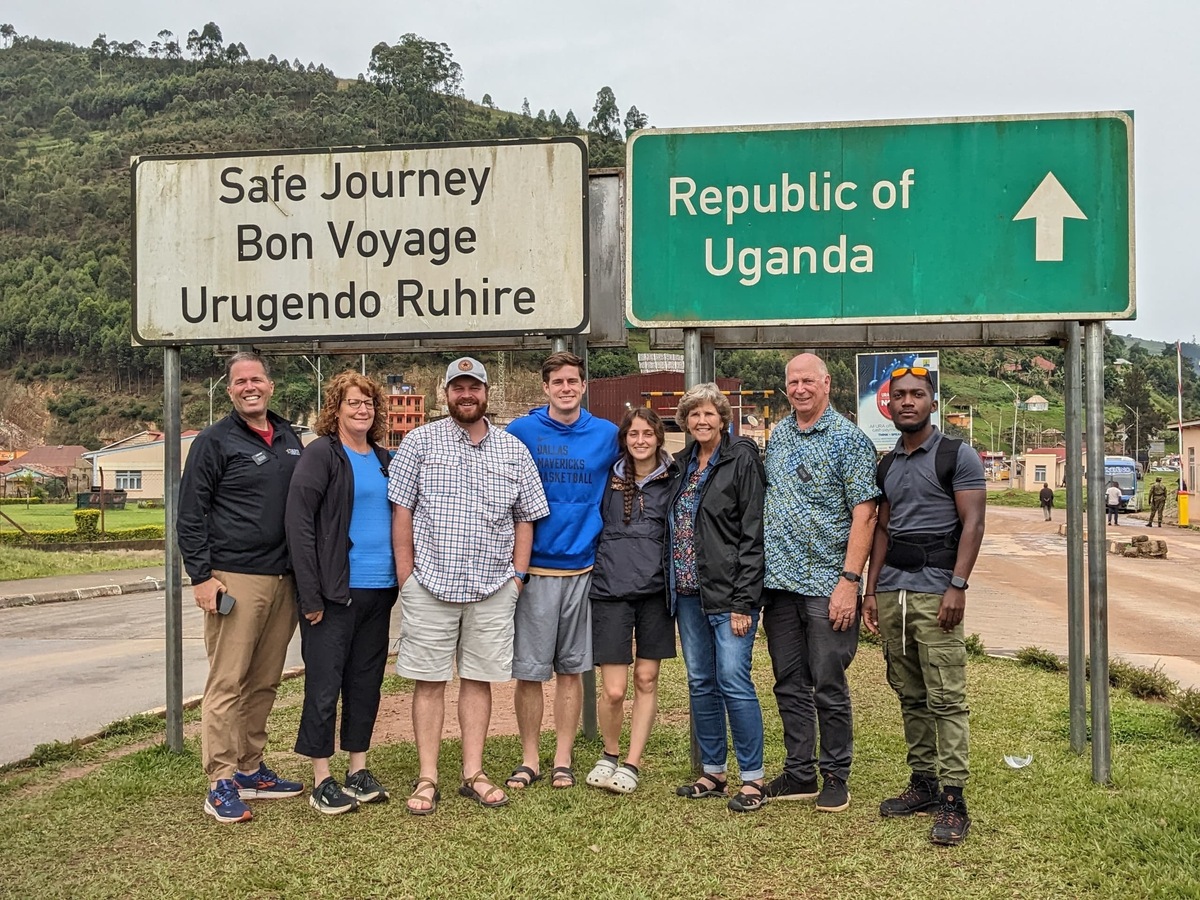

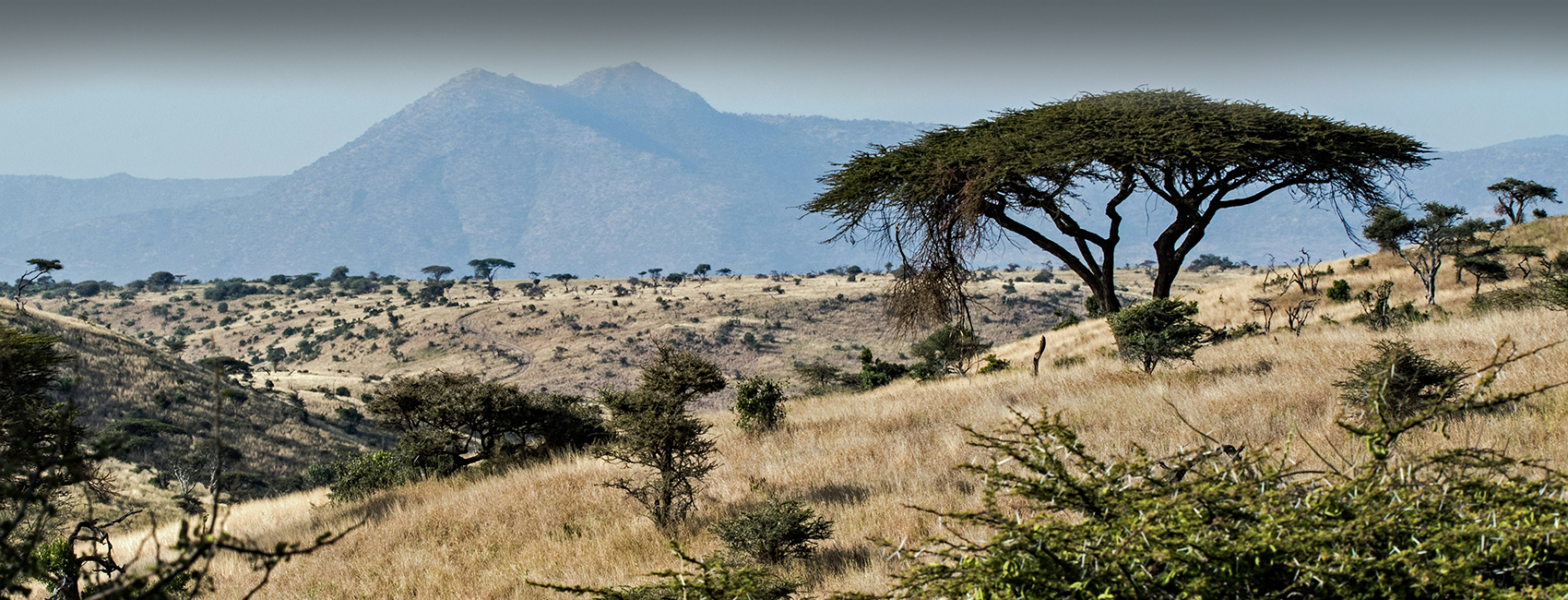
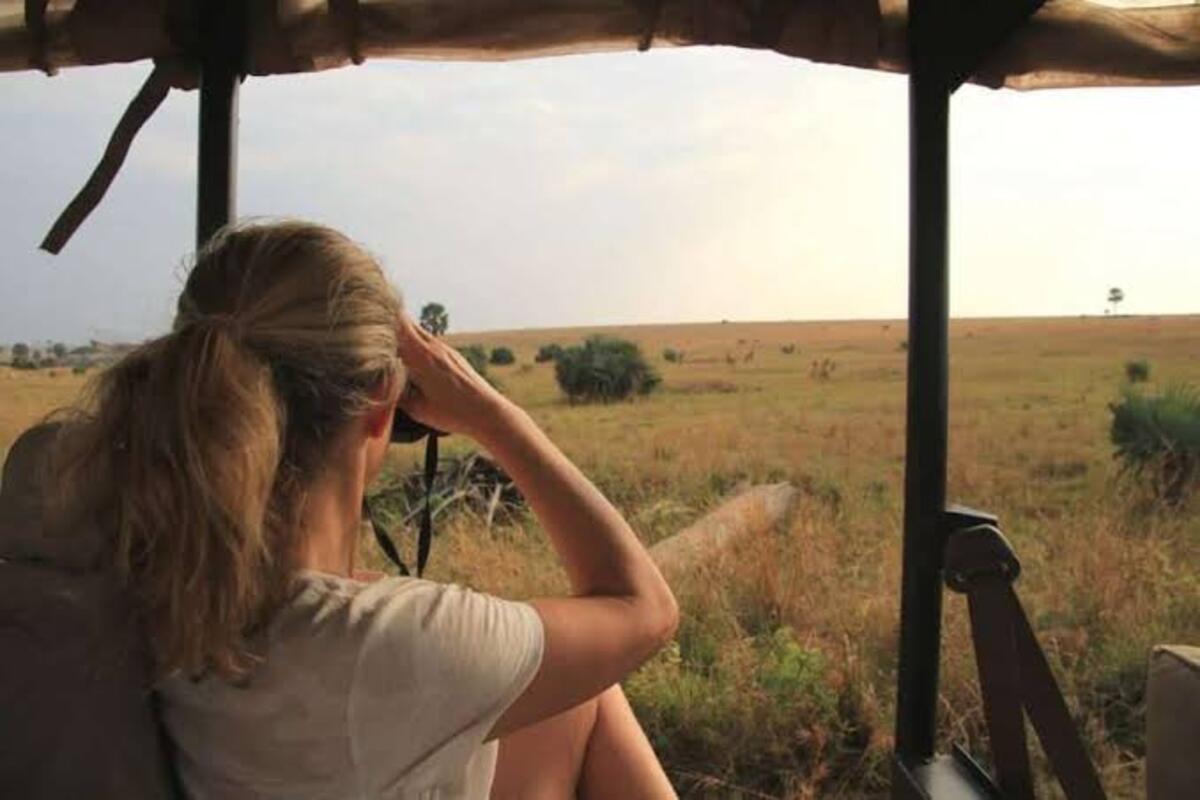
Is Uganda Safe for Tourists in 2026?
Is Uganda Safe for Tourists in 2026?, Planning a safari in Uganda often begins with a simple but important question: is it safe to travel there?
For most international visitors, safety is the deciding factor between booking a trip or looking elsewhere. Uganda, however, is not a destination that can be understood through headlines alone. It is a country where everyday reality on the ground often differs from outside perception—especially in the places where travelers actually go: national parks, lodges, and guided safari routes.
This guide breaks down what safety really looks like in Uganda in 2026, using practical, real-world context to help you decide whether the country is right for your trip and how to prepare if you choose to visit.
Understanding Safety in Uganda: What It Actually Means for Travellers
Safety in any destination is not one single issue. In Uganda, it is best understood as a combination of different factors that affect a visitor’s experience:
- Personal security in cities and towns
- Road conditions and transport reliability
- Wildlife encounters in national parks
- Health risks such as malaria exposure
- Political and regional stability
- General travel infrastructure
In practice, most tourists spend the majority of their time in well-managed environments: safari vehicles, protected parks, and established lodges. These areas operate differently from busy urban settings and are designed with visitor safety in mind.
Uganda is generally considered stable for tourism, particularly in its main safari regions, when travelers use experienced guides and follow standard precautions.
Why Travellers Continue Choosing Uganda
Uganda’s appeal is not abstract, it is tied to specific experiences that are difficult to replicate elsewhere in Africa.
Visitors typically come for:
- Gorilla trekking in mist-covered montane forests
- Chimpanzee tracking in tropical woodland
- Classic savannah game drives with elephants, lions, and buffalo
- Birdwatching, with one of Africa’s richest bird lists
- Boat safaris along the Nile and Kazinga Channel
- Cultural encounters in rural communities
These experiences are delivered through a growing tourism sector that has steadily improved road networks, accommodation standards, and guiding professionalism over the years.
Political and Regional Stability in 2026
For travelers, the most relevant question is not political theory, but whether tourism routes are functioning normally.
In 2026, Uganda’s main tourism circuits, including the southwest gorilla parks and northern savannah reserves continue to operate year-round. National parks remain open under the management of the Uganda Wildlife Authority, which oversees conservation and visitor safety.
Most safari itineraries proceed without disruption, especially in established tourism regions.
As with any international destination, it is still wise to check official travel advisories before departure and travel with operators who understand local conditions.
Crime and Personal Safety in Uganda
Uganda is not a crime-free country, but tourist-targeted crime is not widespread in safari regions.
In urban areas such as Kampala, the most common incidents affecting visitors are opportunistic:
- Pickpocketing in crowded places
- Bag snatching
- Phone theft in busy streets or taxis
These situations are generally avoidable with basic awareness.
Practical ways to reduce risk
- Avoid wearing visible high-value items
- Keep passports and extra cash secured in hotel safes
- Use arranged transport rather than walking long distances at night
- Stay alert in crowded markets or bus terminals
- Rely on trusted guides for movement in unfamiliar areas
Most travelers who follow these practices report uncomplicated visits.
Is Kampala Safe for Tourists?
Kampala is often the first place international visitors experience, as it serves as the main entry point for the country.
It is a busy, fast-growing capital with restaurants, markets, nightlife, and cultural landmarks. Like many large cities, it has areas that feel orderly and others that are more chaotic.
Tourists generally stay safe by:
- Using registered taxis or hotel-arranged transport
- Avoiding isolated streets after dark
- Keeping valuables discreet
- Staying in well-reviewed accommodation areas
Most visits are trouble-free when these basic precautions are followed.
Is Gorilla Trekking Safe in Uganda?
Gorilla trekking is one of Uganda’s most sought-after experiences, and naturally raises safety questions.
It is widely a well-managed and controlled wildlife activity.
Why it is considered safe
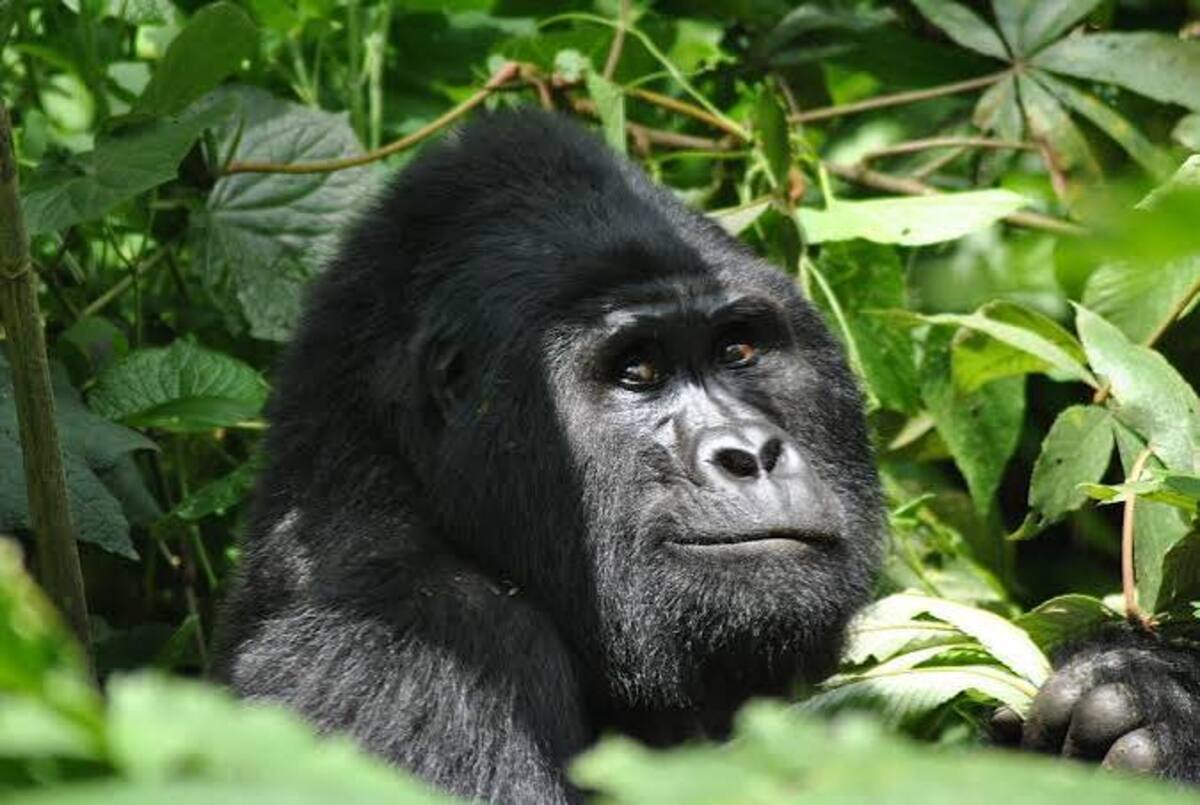
Gorilla families visited by tourists are habituated, meaning they have undergone years of careful exposure to human presence. They are still wild animals, but they are monitored and approached under strict conditions.
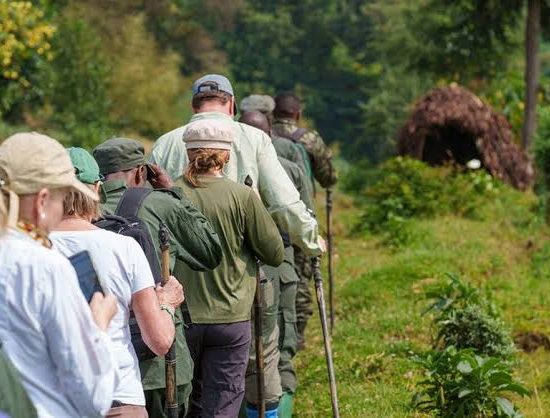
Every trek is led by trained rangers under the supervision of the Uganda Wildlife Authority.
Safety rules that matter
- Visitors maintain a minimum viewing distance (usually around 7 meters)
- Flash photography is prohibited
- Groups are limited in size
- Instructions from guides must be followed at all times
What the experience feels like in reality
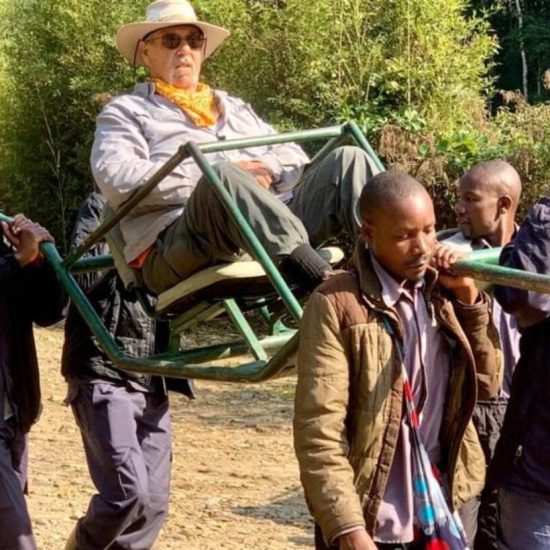
Trekking can be physically demanding depending on the location of the gorillas. Trails may be steep, muddy, or slippery, especially after rain. However, porters are available and highly recommended to support both comfort and safety.
Wildlife Safaris: How Safe Are Game Drives?
Uganda’s national parks support a full range of wildlife, including elephants, lions, buffalo, hippos, and crocodiles.
Safety is managed through structure rather than restriction.
Game drives
Visitors remain inside safari vehicles at all times. Guides are trained to interpret animal behavior and maintain safe distances.
Boat safaris
On rivers and lakes, boats operate with life jackets and safety briefings. Wildlife such as hippos and crocodiles are observed from a controlled distance.
Walking safaris
These are only conducted in specific areas with armed ranger escorts and trained guides.
Is Uganda Safe for Solo Travelers and Women?
Uganda is increasingly visited by solo travelers, including women traveling independently.
The experience is generally positive when normal precautions are followed:
- Stay in reputable accommodation
- Avoid isolated areas at night
- Share your itinerary with someone back home
- Use trusted transport services
Respectful interactions from locals are common, especially in tourism-focused regions.
Family Travel in Uganda
Uganda can work well for families, particularly those interested in nature and education-based travel.
Popular family-friendly experiences include:
- Wildlife game drives
- Boat safaris
- Cultural visits
- Nature walks in safe reserves
- Selected gorilla and chimapanzee trekking experiences for older teenagers
Many lodges are designed with family comfort in mind, offering larger rooms and flexible meal arrangements.
Road Safety and Transport Conditions
Road travel is an essential part of a Ugandan safari.
Conditions vary significantly:
- Main highways are generally manageable
- Rural roads may be uneven or unpaved
- Night driving is not recommended
- Weather can affect accessibility, especially during rainy seasons
For this reason, most visitors use experienced safari driver guides who understand terrain, timing, and route planning.
Health and Medical Considerations
Travel health preparation is an important part of planning a safari.
Vaccinations
Requirements vary depending on your country of origin, but travelers are often advised to consult a travel clinic about:
- Routine immunizations
- Yellow fever vaccination requirements
- Additional travel-related vaccines
Malaria risk
Malaria is present in some regions. Preventive measures may include:
- Anti-malarial medication (doctor-prescribed)
- Insect repellent
- Long sleeves and trousers in the evening
- Most Lodges have mosquito nets
Drinking water
Stick to bottled or filtered water provided by accommodations and safari operators.
Safety in Uganda’s National Parks
Protected areas remain the safest environments for tourists.
Key parks include:
- Bwindi Impenetrable National Park
- Queen Elizabeth National Park
- Murchison Falls National Park
- Kibale National Park
- Kidepo Valley National Park
These parks are professionally managed and host thousands of visitors annually without incident when standard guidelines are followed.
Why Organized Safaris Improve Safety
Independent travel in Uganda is possible, but most first-time visitors choose guided safaris for practical reasons.
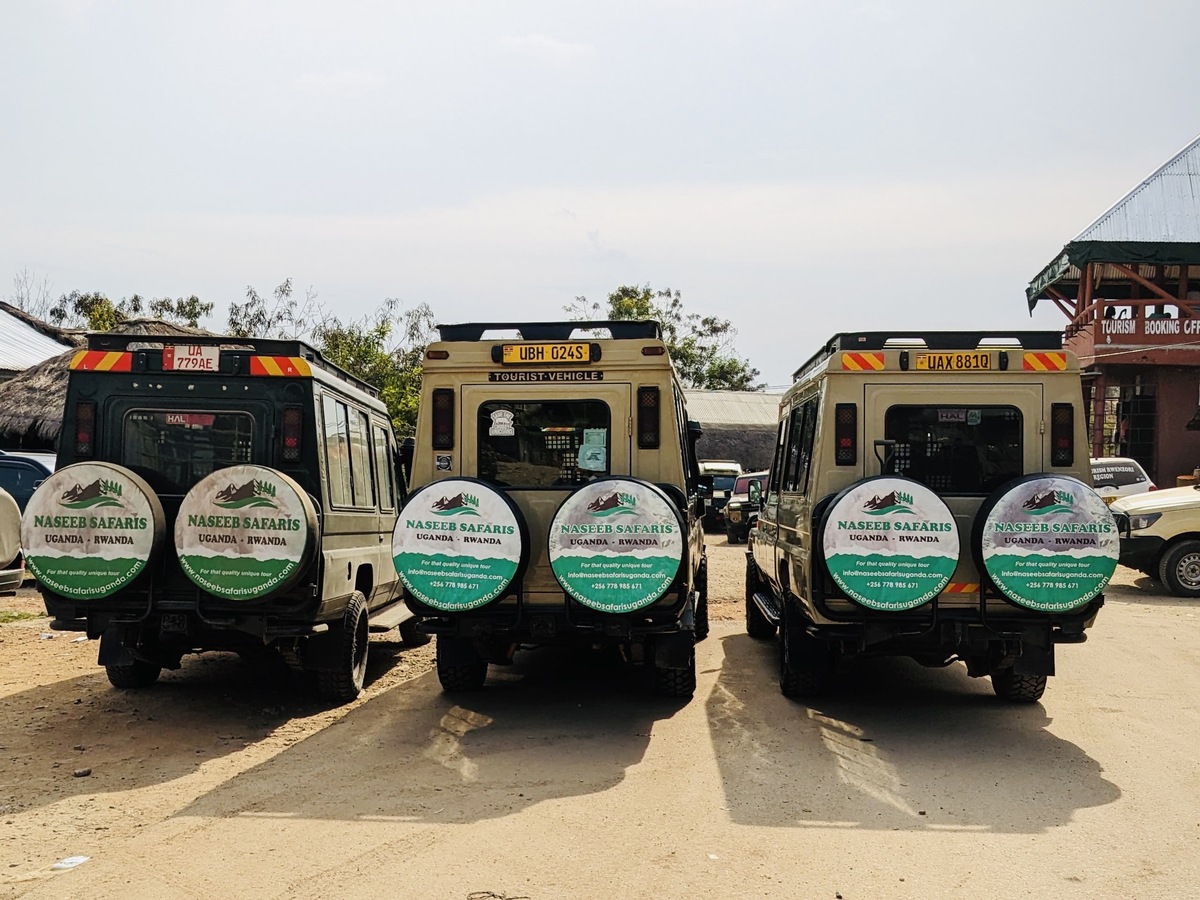
A professional operator such as Naseeb Safaris provides:
- Airport transfers and logistics coordination
- Experienced drivers and guides
- Pre-arranged accommodation
- Route planning and park permits
- On-the-ground support during emergencies
This structure reduces uncertainty and allows travelers to focus on the experience rather than logistics.
Common Safety Mistakes Travellers Should Avoid
Many issues are preventable with simple awareness:
- Carrying large amounts of cash
- Ignoring local guidance from rangers or driver guides
- Approaching wildlife outside guided activities
- Leaving belongings unattended in public spaces
- Traveling without insurance
What Travelers Often Don’t Expect
Many first-time visitors arrive with concerns shaped by outdated assumptions. What they usually discover is a country with:
- Established safari infrastructure
- Professional guiding standards
- Increasingly comfortable lodges
- Well-managed conservation systems
- Welcoming local communities
The contrast between expectation and experience is often significant.
FAQs
How fit do I need to be for gorilla trekking?
A moderate level of fitness helps. Some treks are short, others can take several hours over steep terrain.
Will I definitely see gorillas?
Sightings are very likely because ranger teams track families, but movement is wild and not guaranteed 100%.
Can I hire a porter?
Yes, and it is strongly recommended for support and local employment.
Can seniors do the trek?
Yes, if medically fit. Some treks are shorter and easier than others.
What happens if it rains?
Trekking continues. Rain is common, and trails become more challenging but manageable.
Can I take photos?
Yes, but flash photography is not allowed.
Do lodges have internet access or Wi-Fi ?
Yes, Almost every safari lodge has got internet connection.
Final Thoughts
So, is Uganda safe for tourists in 2026?
For most travelers, yes, particularly when visiting with proper planning, awareness, and professional guidance.
Safety in Uganda is not about eliminating all risk, but about understanding how travel works in a country where nature, infrastructure, and daily life interact in different ways. In the places visitors actually go, national parks, lodges, and guided safari routes systems are in place to manage those risks effectively.
What often stays with travelers is not concern, but contrast: dense forests alive with sound, open savannahs at sunrise, and encounters with wildlife that feel carefully balanced rather than chaotic.
Uganda rewards those who come prepared.
For tailored planning, route advice, and responsible safari arrangements, Naseeb Safaris can help design a journey that fits your travel style while keeping safety and comfort at the center of the experience.