Gorilla Trekking Uganda Cost 2026-2027: Complete Guide to Permits, Safari Prices & Trip Budget
Planning a gorilla trekking safari in Uganda is exciting, but understanding the true cost can be one of the biggest challenges. While the price of a gorilla permit is often the first figure travelers encounter, it represents only one part of the overall budget.
Accommodation, transportation, park logistics, porter services, visas, and the style of safari you choose all influence how much you will ultimately spend. The good news is that Uganda continues to offer one of the best value gorilla trekking experiences in Africa, combining relatively affordable permits with excellent wildlife viewing and the opportunity to include classic savannah safaris in the same trip.
Whether you’re travelling independently, joining a small group, or arranging a tailor-made luxury safari, this guide explains what you can realistically expect to pay in 2026 – 2027 and how to budget without overlooking important expenses.
Why Uganda Offers Outstanding Value for Gorilla Trekking
Uganda protects more than half of the world’s remaining mountain gorillas, making it one of the most important destinations for gorilla conservation.
Treks take place in two protected areas:
- Bwindi Impenetrable National Park
- Mgahinga Gorilla National Park
Although neighboring Rwanda also offers gorilla trekking, Uganda attracts many travelers because it combines lower permit prices with a wider variety of safari experiences. It’s possible to see mountain gorillas, chimpanzees, lions, elephants, hippos, and tree-climbing lions during a single itinerary without crossing international borders.
For many visitors, that combination delivers better overall value than focusing on gorilla trekking alone.
Some of the reasons travelers choose Uganda include:
- Lower gorilla permit costs than Rwanda
- The largest number of habituated gorilla families available for trekking
- Accommodation for nearly every budget
- Easy combinations with classic wildlife safaris
- Community tourism experiences alongside conservation
- Strong conservation programs supported directly by tourism revenue
How Much Does a Gorilla Permit Cost in Uganda in 2026 – 2027?
For almost every visitor, the gorilla permit is the largest single expense.
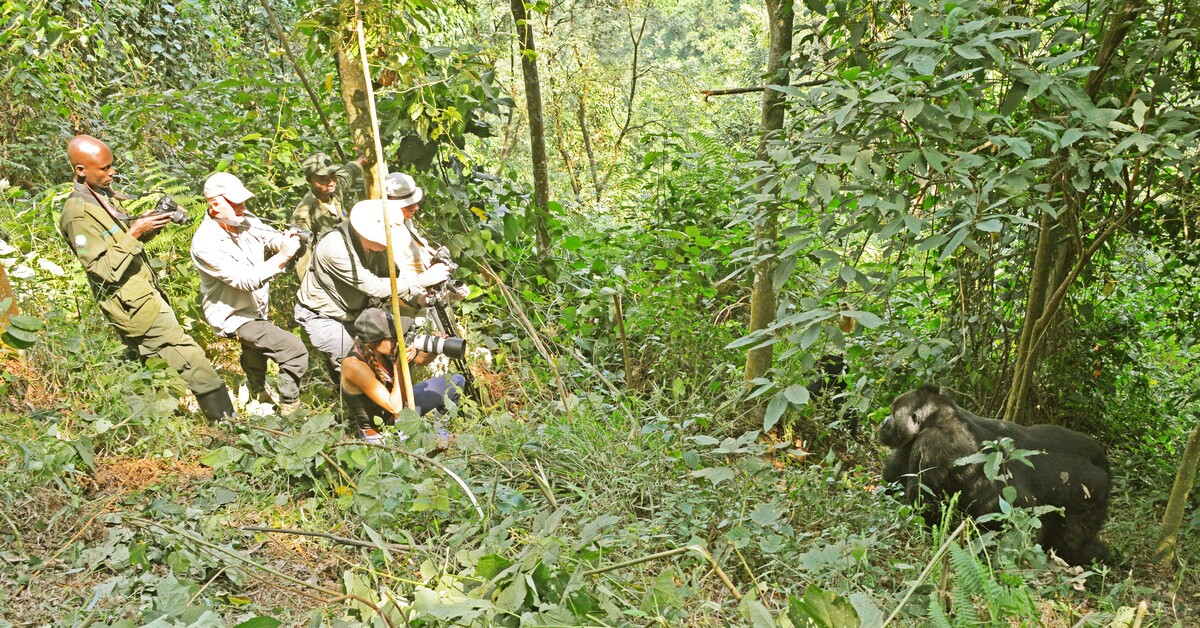
The permit allows one guided trek to visit a habituated mountain gorilla family and includes one hour spent observing the animals after they are located.
Uganda Gorilla Permit Prices
| Visitor Category | Permit Fee |
| Foreign Non-Resident | USD 800 (Peak Season) |
| Foreign Non-Resident (April, May & November) | USD 600 |
| Foreign Resident | USD 700 |
| East African Citizen | UGX 300,000 |
These permits are issued by the Uganda Wildlife Authority and are required for every visitor participating in a trek.
What Your Gorilla Permit Covers
Your permit includes:
- Entry into the national park
- An experienced Uganda Wildlife Authority ranger guide
- Gorilla tracking
- One hour with a habituated gorilla family
- Security where required
- A trekking certificate issued after the experience
- A contribution toward gorilla conservation and park management
What the Permit Does Not Include
The permit does not cover:
- Accommodation
- Transport to and from the park
- Meals
- Porter services
- Travel insurance
- Visa fees
- Tips
- Personal purchases
One of the most common mistakes first-time visitors make is assuming the permit covers the entire safari. In reality, most travelers should budget for several additional costs beyond the permit itself.
Gorilla Habituation Experience: Is It Worth the Extra Cost?
If spending one hour with mountain gorillas doesn’t feel long enough, Uganda offers a unique alternative.
The Gorilla Habituation Experience allows visitors to accompany researchers and trackers as they work with a semi-habituated gorilla family. Instead of one hour, participants can spend up to four hours with the gorillas once they are located.
This experience is available only in the Rushaga sector of Bwindi Impenetrable National Park.
Gorilla Habituation Permit Prices
| Visitor Category | Permit Fee |
| Foreign Non-Resident | USD 1,500 (2026) |
| Foreign Non-Resident | USD 1,800 (from January 2027) |
| Foreign Resident | USD 1,000 |
| East African Citizen | UGX 750,000 |
Because the group size is much smaller, (four people) than a standard trek, permits often sell out well in advance.
Wildlife photographers, filmmakers, researchers, and travelers who want more time observing gorilla behavior often consider the additional cost worthwhile.
When Should You Book a Gorilla Permit?
Unlike many safari activities, gorilla trekking has strict daily visitor limits.
Each habituated gorilla family can only receive a limited number of visitors each day (usually eight people), which means permit availability becomes increasingly limited during the busiest travel months.
If you are planning to travel during:
- June to September
- December to February
It’s advisable to reserve permits 6 to 12 months in advance.
Travelers visiting during the quieter months generally have more flexibility, although popular lodges and specific gorilla sectors can still fill quickly.
Booking Process
Most travelers reserve permits through a licensed Ugandan tour operator like Naseeb safaris. Check here https://utb.go.ug/licensed-tour-companies/
The typical process is straightforward:
- Choose your preferred travel dates.
- Check permit availability.
- Pay the required deposit.
- Receive official permit confirmation.
- Finalize accommodation and transport.
- Prepare for your trip.
Booking accommodation before confirming permit availability can sometimes create unnecessary complications, so it’s usually best to secure the permit first.
Transportation Costs: Getting to Uganda’s Gorilla Parks
After permits, transportation is often the second-largest expense.
Both gorilla trekking destinations are located in southwestern Uganda, several hundred kilometers from Kampala and Entebbe International Airport.
Travelers generally choose between driving or flying.
Option 1: Road Transfer
Driving remains the most popular option.
The journey from Entebbe or Kampala typically takes eight to nine hours, depending on road conditions and traffic.
Although it’s a long drive, many itineraries include stops that help break up the journey, such as:
- The Equator crossing
- Local craft markets
- Scenic viewpoints
- Lake Mburo National Park
- Community projects
Road conditions have improved significantly in recent years, but some roads near the parks remain rough, particularly after heavy rain. A 4WD vehicle is strongly recommended.
Typical Vehicle Costs
| Vehicle Type | Estimated Daily Cost |
| Budget vehicle | USD 120–180 |
| Mid-range 4WD | USD 180–300 |
| Luxury safari vehicle | USD 350–700 |
For travellers joining an organised safari, these costs are usually included in the overall package.
Option 2: Domestic Flights
Flying reduces travel time considerably and is especially useful for visitors with limited vacation time.
Scheduled flights operate between Entebbe and several airstrips serving Bwindi and Mgahinga.
Typical prices are:
- One-way: USD 280–450
- Return: USD 500–900
After landing, travelers continue by road to their lodge, usually within one to two hours depending on the sector.
Although flying costs more, it can save an entire day’s driving each way, allowing more time for relaxation.
A practical point to remember is that domestic airlines often enforce strict baggage limits. Soft-sided duffel bags are usually preferred over hard-shell suitcases, and excess luggage may incur additional charges.
Accommodation Costs Near Uganda’s Gorilla Trekking Parks
Where you stay can significantly influence both the cost and overall experience of your safari. The good news is that the areas surrounding Bwindi Impenetrable National Park and Mgahinga Gorilla National Park offer accommodation for a wide range of budgets, from simple guesthouses to exclusive forest lodges.
Choosing the right lodge isn’t just about comfort, it can also reduce travel time on trekking morning. Bwindi is divided into several trekking sectors (Buhoma, Ruhija, Rushaga, Nkuringo) and staying close to the sector where your gorilla permit is allocated makes for a much easier start to the day.
Budget Accommodation
Typical price: USD 60–100 per night
Budget lodges provide clean rooms with private bathroom, hot showers, home-cooked meals, and friendly hospitality. While facilities are generally simple, they offer excellent value for travelers who plan to spend most of their time exploring rather than relaxing at the lodge.
Examples include:
- Broadbill Forest Camp
- Rushaga Gorilla Camp
- Rushaga Havens Gorilla Lodge
Many budget properties also arrange community walks, cultural performances, and local craft visits.
Mid-Range Accommodation
Typical price: USD 200–350 per night
This category strikes a balance between comfort and affordability. Expect spacious rooms, private bathrooms, reliable electricity, quality dining, and attractive views of the surrounding hills or forest.
Popular choices include:
- Ichumbi Gorilla Lodge
- Four Gorillas Lodge
- Gorilla Leisure Lodge
- Mutanda Lake Resort
For many first-time visitors, mid-range accommodation provides the best overall value.
Luxury Lodges
Typical price: USD 400–1,500+ per night
Luxury lodges focus on privacy, personalized service, excellent cuisine, and exceptional locations close to the forest. Many offer spacious cottages with fireplaces, panoramic decks, spa treatments, and guided nature walks.
Well-known options include:
- Buhoma Lodge
- Sanctuary Gorilla Forest Camp
- Clouds Mountain Gorilla Lodge
- Nkuringo Gorilla Lodge
Some luxury packages also include airport transfers, premium beverages, laundry services, and private guiding, though inclusions vary by property.
How Many Nights Should You Stay?
Many visitors book just two nights before & after trekking, but adding an extra night can make the experience far more relaxed.
A typical itinerary includes:
- Arrival the day before the trek
- Gorilla trekking the following morning
- Departure the next next morning
An additional night also provides time to explore nearby communities, enjoy the scenery, or simply recover after the hike.
Food and Drink: What Should You Budget?
Food costs depend largely on your accommodation.
Most safari lodges include breakfast, lunch, and dinner in their rates, especially at the mid-range and luxury levels. Budget accommodation may include breakfast only, with other meals charged separately.
Estimated Daily Food Budget
| Travel Style | Estimated Daily Cost |
| Budget | USD 10–25 |
| Mid-range | USD 30–60 |
| Luxury | Usually included |
Meals often combine international dishes with Ugandan favourites such as:
- Matooke (steamed green bananas)
- Groundnut or P.nut sauce
- Posho (Corn bread)
- Fresh vegetables
- Grilled chicken or beef
- Tropical fruits including pineapple, passion fruit, mangoes, and avocado
Dietary requirements are widely accommodated when requested in advance, including vegetarian, vegan, gluten-free, and halal meals at many lodges.
Carrying a few snacks for trekking day is worthwhile, particularly if your hike lasts several hours.
Why Hiring a Porter Is Money Well Spent
One of the best decisions you can make on trekking day is to hire a local porter.
Many first-time visitors assume porters are only necessary for older travelers or those with heavy bags. In reality, people of all ages and fitness levels hire them.
The trails can become steep, slippery, and muddy, particularly after rain. Having someone carry your daypack allows you to concentrate on the hike while receiving a helping hand over difficult sections.
Typical Porter Fee
USD 20
Most porters are members of nearby communities, so hiring one directly supports local livelihoods and helps ensure that tourism benefits the people living alongside the national parks.
Their assistance often includes:
- Carrying your backpack
- Providing support on steep climbs and descents
- Helping across muddy sections
- Offering encouragement throughout the trek
Many travellers say hiring a porter is one of the best-value expenses of the entire safari.
Tipping Etiquette
Tipping isn’t compulsory in Uganda, but it is appreciated when service has been good.
As with many safari destinations, gratuities form an important part of income for guides, porters, and hospitality staff.
Suggested Guidelines
| Service | Suggested Tip |
| Porter | USD 10–20 |
| Ranger Guide | USD 10–20 |
| Driver-Guide | USD 20–30 per day (per vehicle or group, depending on circumstances) |
| Lodge Staff | USD 5–10 |
There’s no obligation to tip beyond your comfort level, but setting aside a small gratuity budget before travelling helps avoid awkward last-minute decisions.
Uganda Visa Costs in 2026
Most international visitors require a visa before entering Uganda.
Visa Options
| Visa Type | Cost |
| Uganda Single Entry Tourist Visa | USD 50 |
| East Africa Tourist Visa | USD 100 |
The East Africa Tourist Visa is particularly useful if you are planning to visit Uganda alongside Kenya and Rwanda during the same trip, as it allows multiple entries between the participating countries within its validity period.
Always check the latest visa requirements before departure, as entry rules can change.
Travel Insurance: Don’t Overlook It
Although travel insurance increases your overall budget, it can save significant expense if your plans change unexpectedly.
Gorilla trekking takes place in remote mountain forests where medical facilities are limited, making comprehensive insurance especially important.
Typical Cost
USD 50–250, depending on your age, trip length, destination, and level of cover.
Look for a policy that includes:
- Emergency medical treatment
- Medical evacuation
- Trip cancellation or interruption
- Lost or delayed baggage
- Cover for trekking and other adventure activities
Read the policy carefully. Not every insurer automatically covers activities conducted in remote national parks.
How Difficult Is Gorilla Trekking?
This is one of the questions travelers ask most often and the honest answer is that no two treks are exactly alike.
The length and difficulty depend entirely on where your assigned gorilla family is on the day of your visit. Gorillas roam freely through the forest, so trackers locate them each morning before visitors begin hiking.
Some groups are found relatively close to the starting point, while others may require several hours of walking through steep terrain.
| Trek Difficulty | Typical Hiking Time |
| Easy | 1–2 hours |
| Moderate | 2–4 hours |
| Challenging | 4–8 hours |
Keep in mind that these times usually refer to hiking only. Once your group reaches the gorillas, you will spend one hour observing them before beginning the return walk.
Do You Need to Be Very Fit?
Not necessarily.
Visitors of many ages successfully complete gorilla treks each year. A reasonable level of mobility is more important than athletic ability.
If you have knee problems, reduced mobility, or concerns about fitness, mention this to your tour operator before your trip. While no specific gorilla family can be guaranteed, park staff do their best to consider visitors’ abilities when allocating trekking groups.
Hiring a porter and using a walking stick, provided at many briefing points can make the hike considerably more comfortable.
Accessibility Considerations
Gorilla trekking isn’t fully accessible because the terrain is natural, uneven, and often steep.
However, visitors with limited mobility shouldn’t assume the experience is impossible.
The Uganda Wildlife Authority can sometimes arrange special support, including sedan chairs or referred to as African helicopter by the locals, carried by teams of porters for travelers who are unable to hike independently. These services require advance planning and incur additional costs.
If accessibility is a concern, discuss your needs with your tour operator well before booking permits so suitable arrangements can be explored.
Photography Tips for Gorilla Trekking
For many visitors, photographing mountain gorillas is one of the highlights of the journey.
Conditions inside the forest can be challenging. Dense vegetation and low light often require higher ISO settings or fast lenses.
A few practical tips include:
- Leave the flash switched off—it is not permitted.
- Carry spare batteries, as cool forest conditions can reduce battery life.
- A lens in the 70–200 mm range is versatile for wildlife portraits.
- Protect camera gear with waterproof covers during rain.
- Pause occasionally to watch rather than photograph every moment.
Remember that your hour with the gorillas passes quickly. Taking time to simply observe their behaviour can be just as rewarding as capturing photographs.
Packing Tips That Affect Your Budget
Some equipment is essential for a comfortable trek. Purchasing these items after arriving in Uganda can sometimes cost more or limit your choice.
Consider packing:
- Waterproof hiking boots with good grip
- Long-sleeved shirts and lightweight trekking trousers
- Waterproof jacket
- Gardening gloves for gripping vegetation
- Gaiters (optional during rainy months)
- Refillable water bottle
- Insect repellent
- Sunscreen
- Hat
- Camera with spare batteries
- Small backpack
- Personal medication
Even if rain isn’t forecast, weather in the mountains changes quickly, so waterproof clothing is always recommended.
Hidden Costs First-Time Visitors Often Miss
When planning a gorilla trekking budget, it’s easy to focus on permits and accommodation while overlooking smaller expenses that gradually add up.
Common examples include:
- Laundry at safari lodges
- Souvenirs from community projects
- Credit card transaction fees
- Currency exchange charges
- Extra drinks
- Snacks for road journeys
- SIM cards or mobile data if needed
- Tips
Setting aside an emergency or contingency fund of USD 100–300 gives you flexibility without affecting the rest of your travel budget.
Careful planning doesn’t necessarily reduce the cost of a gorilla safari, but it does help ensure there are no unwelcome surprises once your journey begins.
Sample Gorilla Trekking Budgets for 2026 -2027
No two gorilla safaris cost exactly the same. The final price depends on your accommodation, transportation, group size, and whether you add other wildlife experiences to your itinerary.
The examples below provide realistic estimates for travelers planning a safari. They should be used as planning guides rather than fixed prices.
Budget Gorilla Trek
Ideal for travelers who don’t mind simple accommodation and shared transportation.
| Expense | Estimated Cost |
| Gorilla permit | USD 800* |
| Budget accommodation | USD 60–100 |
| Shared road transport | USD 150–250 |
| Meals | USD 20–30 |
| Porter | USD 20–30 |
| Tips & miscellaneous | USD 50–100 |
| Estimated Total | USD 1,200–1,400 |
*Foreign non-resident peak-season permit.
Mid-Range Gorilla Safari
A comfortable option that suits many first-time visitors.
| Expense | Estimated Cost |
| Gorilla permit | USD 800 |
| Mid-range lodge | USD 200–350 |
| Private 4WD transport | USD 300–500 |
| Meals | Usually included or USD 30–50 |
| Porter | USD 20–30 |
| Tips & incidentals | USD 100–150 |
| Estimated Total | USD 1,600–2,000 |
This category typically offers the strongest balance between comfort, service, and value.
Luxury Gorilla Safari
Luxury itineraries focus on exclusive lodges, private transport, and reduced travel time.
| Expense | Estimated Cost |
| Gorilla permit | USD 800 |
| Luxury lodge | USD 500–1,500+ |
| Domestic flights | USD 500–900 |
| Private transfers | USD 300–600 |
| Additional services | USD 200–500 |
| Estimated Total | USD 2,800–5,000+ |
Some ultra-luxury safaris may exceed these estimates depending on accommodation, charter flights, and itinerary length.
What Does a Gorilla Trekking Package Usually Cost?
Many travelers find it easier to book a complete safari rather than arranging permits, accommodation, transport, and logistics separately.
Packages also simplify permit reservations, which can be difficult to coordinate independently during busy travel periods.
Typical 2026-2027 prices include:
| Safari | Estimated Cost Per Person |
| 3-Day Gorilla Trek | USD 1,500–2,500 |
| 4-Day Gorilla Safari | USD 1,700–3,000 |
| 5-Day Gorilla & Chimpanzee Safari | USD 2,200–4,500 |
| Luxury Gorilla Safari | USD 3,500–8,000+ |
Prices vary depending on:
- Travel season
- Number of travelers
- Lodge category
- Domestic flights versus road transfers
- Private or shared safari
- Additional national parks included
Before comparing quotations, check exactly what each package includes. Some rates cover permits, park fees, meals, and transfers, while others list these separately.
When Is the Best Time to Go Gorilla Trekking?
Mountain gorillas can be visited throughout the year, and every season has its advantages.
Rather than asking whether there is a “best” time, it is often more useful to consider what type of experience you prefer.
Peak Season
June to September
December to February
These are generally the driest months.
Visitors often enjoy:
- Firmer hiking trails
- Better visibility for photography
- More predictable travel conditions
- Easier road access
Because demand is highest, permits and popular lodges frequently sell out months in advance.
Low and Shoulder Seasons
March to May
October to November
Rain is more frequent during these months, but gorilla trekking continues every day.
Some advantages include:
- Quieter trails
- Better lodge availability
- Seasonal accommodation offers
- Lush, green forest landscapes
Trails can become muddy, and hikes may feel more demanding, making waterproof clothing especially important.
Many experienced travellers actually enjoy the quieter atmosphere during these months, particularly photographers looking for softer forest light and fewer people at briefing points.
Costs That Are Easy to Forget
Even carefully planned budgets can overlook smaller expenses.
These might include:
- Airport meals
- Laundry services
- Additional drinks at your lodge
- Souvenirs from community projects
- Mobile data or local SIM cards
- Extra baggage charges on domestic flights
- Bank or currency exchange fees
- Travel vaccinations
- Optional Activities
Allowing a contingency budget of USD 100–300 helps cover these costs without affecting the rest of your trip.
Uganda vs Rwanda: Which Offers Better Value?
Uganda and Rwanda both provide exceptional opportunities to see endangered mountain gorillas, but they appeal to different types of travelers.
Rwanda offers shorter transfer times from its international airport, while Uganda generally provides more affordable permits and greater opportunities to combine gorilla trekking with classic safari experiences.
| Factor | Uganda | Rwanda |
| Gorilla permit | USD 800 | USD 1,500 |
| Habituated gorilla families | More | Fewer |
| Safari combinations | Extensive | More limited |
| Average overall trip cost | Lower | Higher |
| Best suited for | Longer safaris and value | Short luxury trips |
Neither destination is objectively “better.” The right choice depends on your budget, available time, and travel priorities.
Travellers hoping to experience gorilla trekking alongside game drives, chimpanzee tracking, and cultural experiences often find Uganda offers greater overall value.
Is Gorilla Trekking Worth the Cost?
For many people, the price of a gorilla permit comes as a surprise.
It’s natural to compare it with the entrance fees charged at other national parks. However, mountain gorilla tourism operates differently.
Strict limits on visitor numbers help minimize disturbance to the animals while generating revenue that supports conservation, park management, veterinary care, anti-poaching patrols, research, and community development.
When you purchase a permit, you are contributing directly to protecting one of the world’s most closely monitored endangered species and the forests they depend on.
For many travelers, the value of the experience comes not only from seeing gorillas at close range, but from understanding how carefully managed tourism has helped make their long-term conservation possible.
Practical Ways to Reduce Your Gorilla Trekking Costs
A memorable safari doesn’t always require a luxury budget.
These strategies can help reduce costs without compromising the experience.
Book Early
Popular trekking dates sell out quickly, particularly during the dry seasons.
Early reservations provide the best choice of permits and accommodation.
Travel With Friends or Family
Private vehicle costs are shared between travelers, reducing the price per person.
Consider Mid-Range Lodges
Many mid-range properties provide excellent service, comfortable rooms, and convenient locations at significantly lower prices than luxury lodges.
Combine Multiple Activities
Including destinations such as Queen Elizabeth National Park, Kibale Forest, or Lake Mburo often provides better overall value than arranging separate trips later.
Be Flexible With Your Travel Dates
Traveling during April, May, or November can sometimes provide lower accommodation rates and greater permit availability.
Frequently Asked Questions
How fit do I need to be for gorilla trekking?
Most visitors with a reasonable level of mobility complete the trek successfully. Some hikes are relatively short, while others involve several hours on steep, uneven terrain. Hiring a porter makes the experience much easier.
Will I definitely see gorillas?
Although wildlife can never be guaranteed, trekkers are assigned to habituated gorilla families that are monitored daily by experienced trackers. Successful sightings are the norm.
What is the minimum age for gorilla trekking?
Participants must be at least 15 years old.
Can I hire a porter?
Yes. Porters are available at the trekking headquarters each morning and are highly recommended, regardless of your fitness level.
Can older travelers do gorilla trekking?
Many older visitors complete the trek every year. If you have mobility concerns, discuss them with your tour operator in advance so suitable arrangements can be explored.
What happens if it rains?
Treks continue in wet weather unless park authorities determine conditions are unsafe. Waterproof clothing and sturdy hiking boots are essential throughout the year.
Can I wear shorts?
Long trousers are recommended. They provide better protection from stinging plants, insects, and thorny vegetation along the trail.
Is there a luggage limit on domestic flights?
Yes. Most scheduled safari flights have strict baggage allowances, and soft-sided bags are generally preferred. Check the latest limits with your airline before travelling.
How much should I tip?
Tipping is optional. Many visitors choose to tip porters, ranger guides, drivers, and lodge staff if they receive good service.
Can I take photographs?
Yes. Photography is encouraged, but flash is not permitted because it may disturb the gorillas.
Are there toilets at the starting point?
Yes. Visitor reception centres have toilet facilities before the trek begins. Once inside the forest, facilities are generally unavailable.
Final Thoughts
Seeing mountain gorillas in their natural habitat is unlike a traditional wildlife safari. The encounter is quiet, carefully managed, and limited to small groups, allowing visitors to observe these remarkable primates without overwhelming their environment.
The cost of the experience reflects much more than a day in the forest. It supports conservation, protects fragile ecosystems, and helps nearby communities benefit from wildlife tourism.
For travelers planning a safari in East Africa, Uganda continues to offer one of the strongest combinations of affordability, conservation impact, and wildlife diversity. With realistic budgeting and early planning, it’s an experience that can fit a wider range of travel styles than many people initially expect.
Plan Your Gorilla Trek with Naseeb Safaris
Every traveler has different priorities. Some are looking for the most affordable way to see mountain gorillas, while others want a tailor-made itinerary that combines trekking with wildlife safaris, chimpanzee tracking, or cultural experiences.
Our team at Naseeb Safaris can help you compare itinerary options, check current permit availability, recommend accommodation that matches your budget, and design a safari that suits your interests and travel schedule.
Whether you are travelling solo, as a couple, with family, or in a small group, expert local advice can make planning considerably easier and help you avoid common first-time mistakes.